
このページは日本語でも読めます。日本語で読む →
이 페이지는 한국어로도 읽을 수 있습니다.한국어로 읽기 →
這個頁面也有繁體中文版。閱讀繁體中文版 →
这个页面也有简体中文版。阅读简体中文版 →
หน้านี้มีภาษาไทยด้วยอ่านภาษาไทย →
Trang này cũng có bản tiếng Việt.Đọc bằng tiếng Việt →
Halaman ini juga tersedia dalam Bahasa Indonesia.Baca dalam Bahasa Indonesia →
Cette page existe aussi en français.Lire en français →
Diese Seite gibt es auch auf Deutsch.Auf Deutsch lesen →
Esta página también está disponible en español.Leer en español →
Questa pagina è disponibile anche in italiano.Leggi in italiano →
About What Makes Japan Smile
"Understand Japan. Be Loved in Japan."
Here's what we do
Other sites say: "Learn the 5 steps to hold chopsticks correctly."
We read what Japanese people actually wrote about it: "Do you actually care how visitors hold chopsticks?"
Not at all. But when someone says 'Itadakimasu' before eating, it genuinely makes us happy.
That's the kind of insight you'll find here — what actually matters to Japanese people, based on real responses, not textbook rules.
From Japan, with Omotenashi
This site is created and run 100% by Japanese people. We were born and raised here, we love our culture deeply, and we want your visit to feel as welcoming as possible. What you read here isn't a generic "don't do this" checklist — it's our way of practicing omotenashi: looking after you the way we would a guest in our own home. Feel free to make mistakes along the way. We're quietly cheering you on.
About the Author
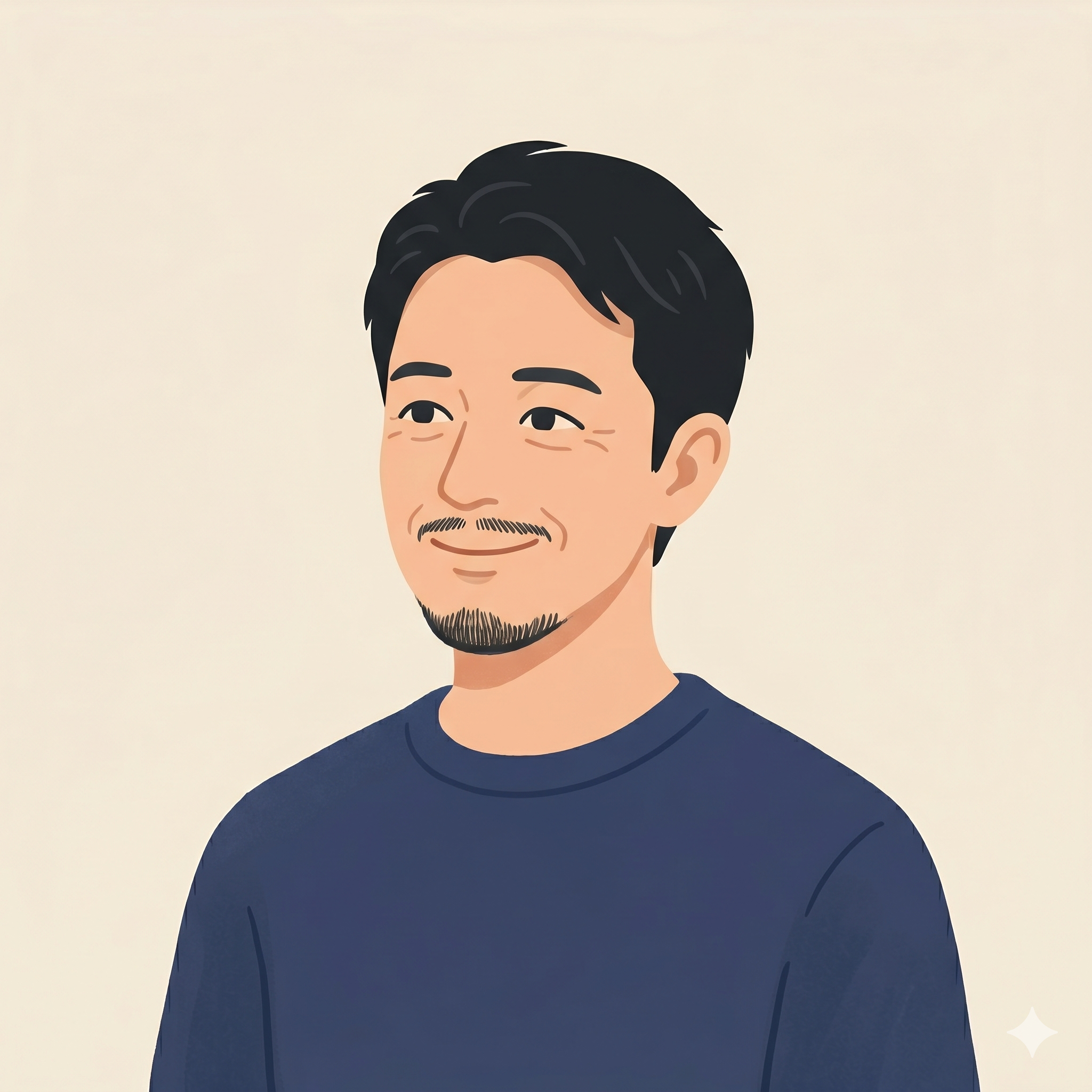
Kei
🇯🇵 Writer — Tokyo, Japan
Hi, I'm Kei — born and raised in Japan. I've traveled across Asia, Europe, the Americas, and Australia, so I know what it feels like to be a visitor in an unfamiliar culture. That experience made me want to help visitors to Japan understand the things we don't always say out loud. Every article on this site is written from the perspective of someone who grew up here — not as a list of rules, but as honest guidance from a friend who wants your time in Japan to be wonderful.
Why this site exists
Learn what actually makes Japanese people feel comfortable — or uncomfortable — in real situations. Every article is backed by responses from Japanese people we collected on social media. Not all Japanese people feel the same way, and we don't pretend they do. Instead, we show you the range: what most people don't care about, what some people notice, and what genuinely bothers many. This helps you focus on what actually matters — and stop worrying about things that don't.
How We Gather Our Data
Every article is built on real voices from Japanese people. As of the latest update, we've gathered 51,218+ responses across 211 articles.
We collect voices in two ways. First, from public platforms where Japanese people share honest opinions in their own words. Second, from our own YouTube channel — we pose specific questions, and Japanese viewers respond directly. The latter is original data that only we have.
For data-driven articles, we work directly with primary sources — government statistics, official surveys, and academic research. We download the original files and extract numbers ourselves, rather than relying on news summaries.
We don't publish opinions. Every claim links back to either the voices we collected or an official source. When Japanese people disagree with each other, we show the full range — that's what the 🟢🟡🔴 system is for.
Learn more about our methodology →How we're different from manners guides
Most Japan etiquette guides list rules with equal weight, as if every breach is equally serious. In reality, Japanese people care deeply about some things and couldn't care less about others. We show you the difference.
🟢 Chopstick grip? — Nobody cares 🔴 Talking loudly on trains? — 83% said it bothers them 🔴 Sticking chopsticks upright in rice? — Reminds people of funeral rituals Knowing the difference saves you from worrying about the wrong things.
What makes us different
We show what Japanese people actually feel — based on the voices we collected
Built for both visitors and Japanese residents — a two-way bridge
We rate each topic 🟢🟡🔴 so you know what matters and what doesn't
Your stories and the responses we collect shape every article
Voice Box
Voice Box is a place where anyone can share their experiences, thoughts, and feelings about life in Japan. Japanese residents can share what they wish visitors knew. Visitors can share moments that moved them. We take these real voices and turn them into stories that build understanding.
How we're funded
WMJS is independent. We're funded by small commissions from affiliate links to travel services readers find genuinely useful — currently activities and experiences through partners like Klook and GetYourGuide. We don't run display ads at the moment, though we may add them as the site grows. These partnerships never influence what we write — every article is built on real Japanese voices and public data, not paid placements. Full details are in our Privacy Policy. Privacy Policy


