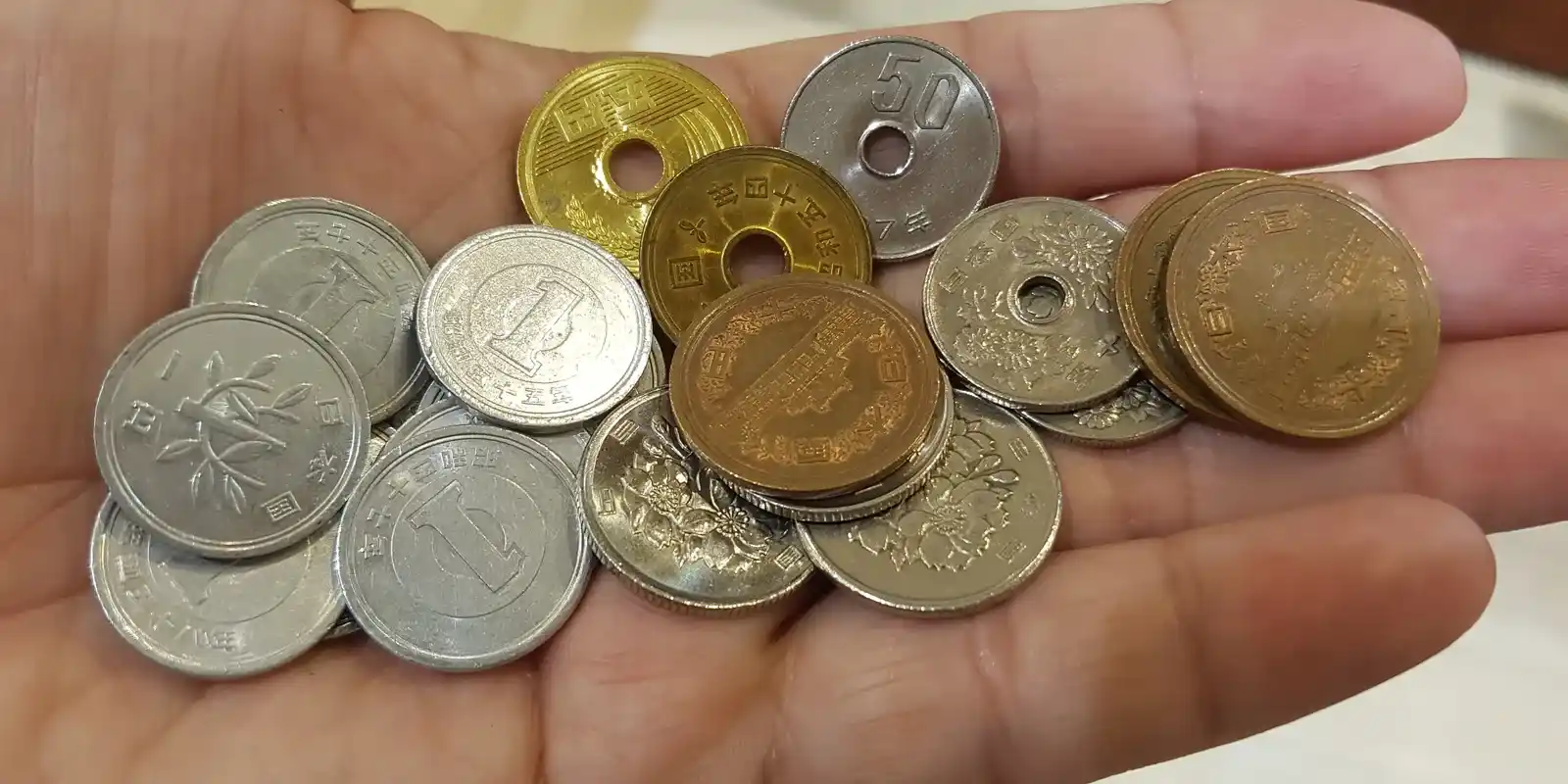
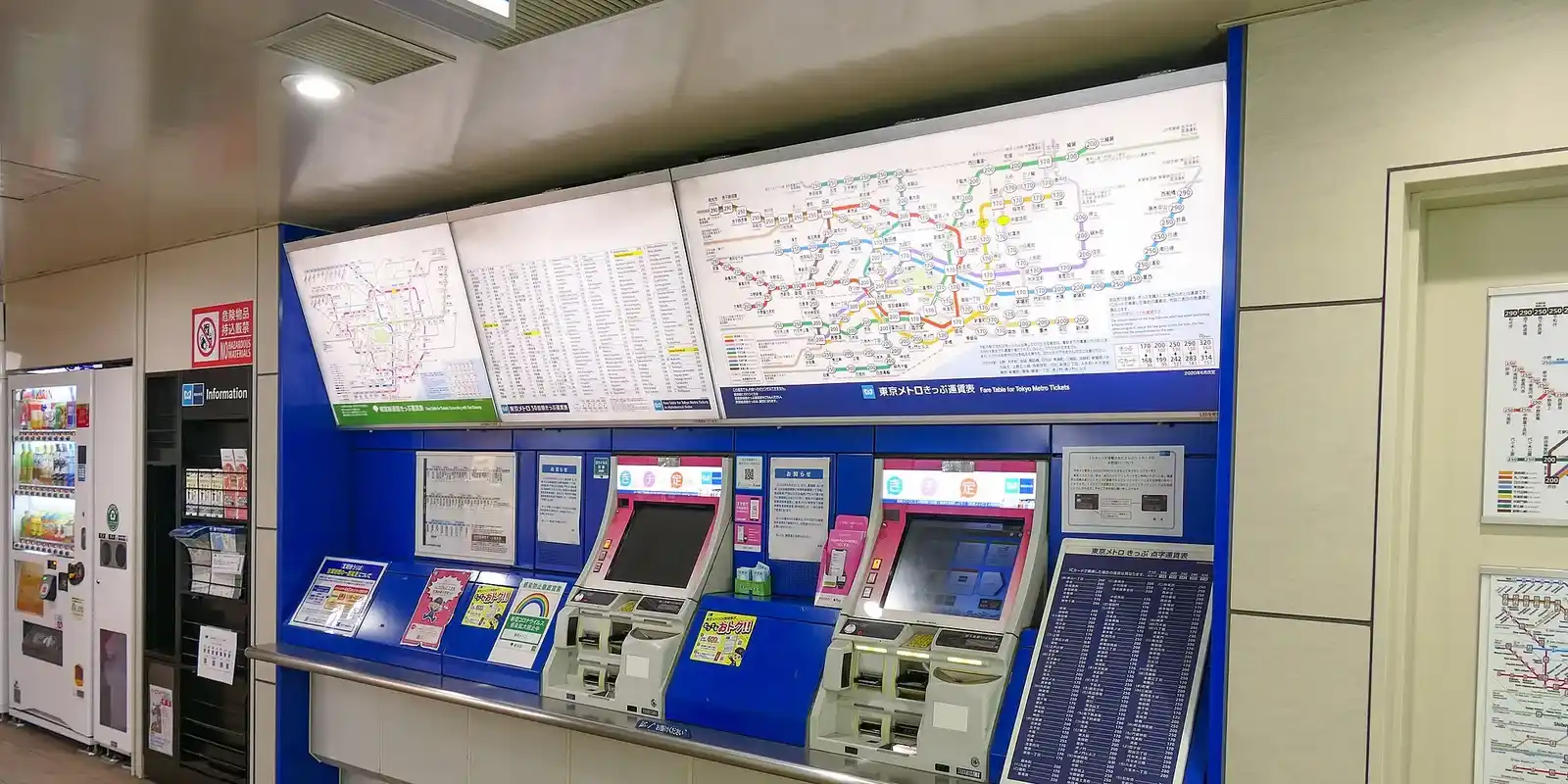
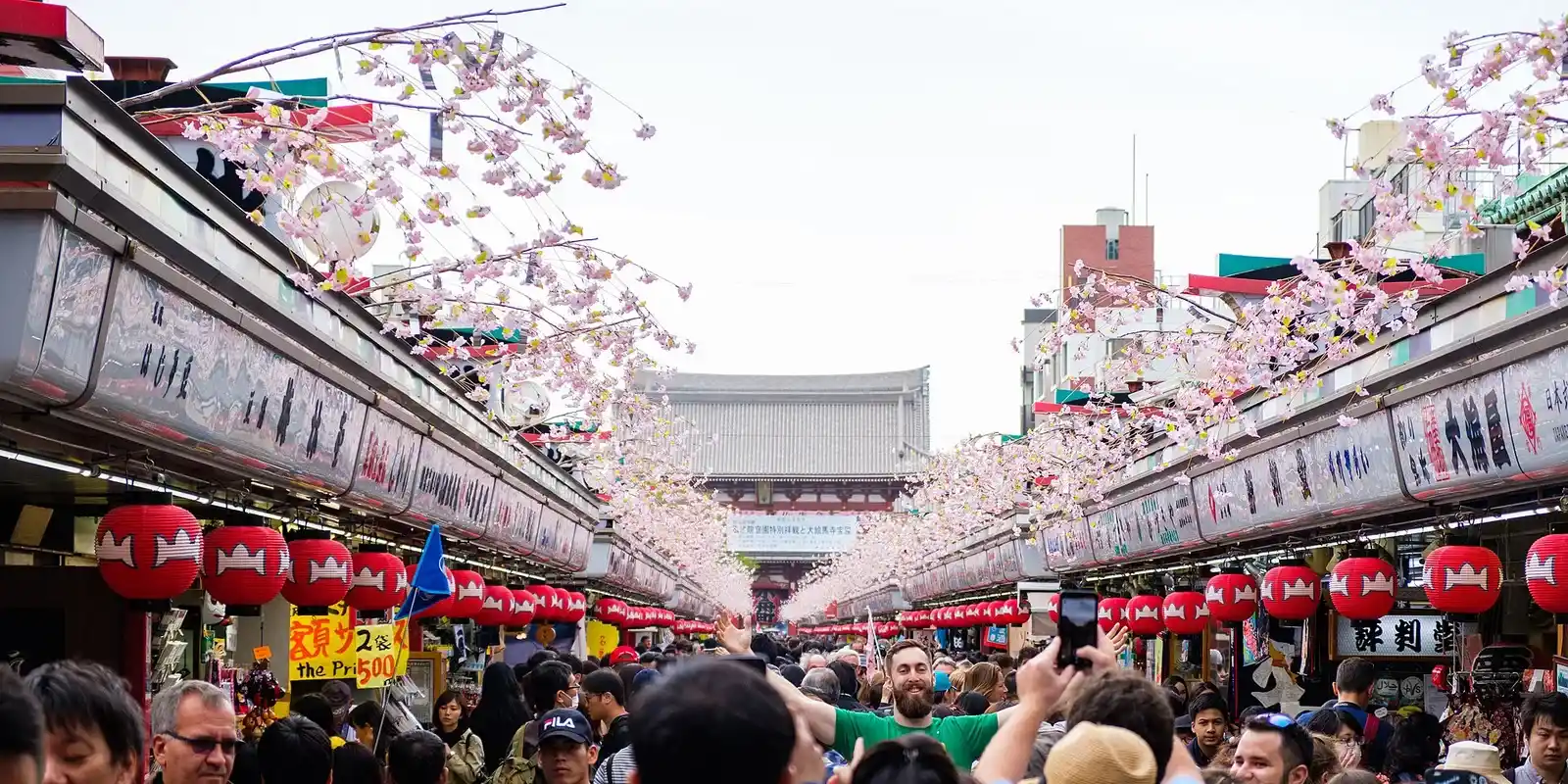
Cash or card. A rail pass or point-to-point tickets. Two weeks or ten days. Come in spring or slip in during the quieter months. From abroad, these choices can feel enormous — as if picking wrong might quietly spoil the trip. On the ground, they're gentler than they look. There is rarely a single right answer, and Japan is remarkably forgiving of the ones travelers agonize over most.
So this page doesn't hand you a verdict. You won't find "best" or "must" here, because the honest answer to most of these questions is "it depends on your trip" — and pretending otherwise would only trade your worry for ours. Instead, each decision is laid out as what it really is: a trade-off you can weigh. How far the pass pays off. What cash still buys you in a country that has warmed to cards faster than its reputation suggests. And, where it matters, how the people you'll actually meet feel about the choice — the small courtesies that turn a smooth transaction into a warm one.
The point isn't to optimize your trip down to the yen. It's to let you decide once, calmly, and stop carrying the question. Each card below leads to a full first-hand article — the kind of honest read that shows you the real texture of the choice — and links across to the two options so you can see both sides of your own decision. Settle the few that genuinely shape your days, leave the rest to the trip itself, and you'll arrive lighter.
How locals feel is not our guess. It comes from 51,218 real voices we gathered from public Japanese conversations, counted by hand and shown as they were actually said — a first-hand read, framed as research rather than a rulebook.