
Is It Rude to Slurp Noodles in Japan?
What you'll learn in this article:
- What 403 Japanese people said about slurping, not slurping, and the "you must slurp" myth
- Why the real answer is much more relaxed than travel guides make it sound
- The surprising generational shift happening inside Japan right now
If you've ever googled "eating noodles in Japan," you've probably seen the claim: slurping is polite in Japan. Not slurping is rude. Some travel guides go further: they suggest that if you don't slurp, you're insulting the chef.
So we read what 403 Japanese people actually wrote about it. The answer is a lot more relaxed than the internet would have you believe.
The short version? Eat however you're comfortable. Slurp if you want to. Don't slurp if you don't want to. Japanese people overwhelmingly said they don't mind either way, and many of them don't slurp either.
Let's look at what they actually wrote.
Is it rude to slurp noodles in Japan? We collected 403 public posts by Japanese people. The biggest surprise: 80% said slurping is not required. The internet turned "you may slurp" into "you must slurp," but Japanese people themselves don't expect it. 76% are fine with quiet eating, 91% appreciate foreigners who try, and 58% say even they find overly loud slurping unpleasant. Eat however you're comfortable. That's the real etiquette.
Quick Guide
| Situation | What Japanese People Said | |
|---|---|---|
| 🟢 Relax | Eating quietly without slurping | 76% said it's fine or they understand. Many Japanese women don't slurp either. Eat however you enjoy your food. |
| 🟢 Relax | Trying to slurp (even awkwardly) | 91% were positive or neutral. If you want to try, nobody will judge you. Some find it endearing. |
| 🟡 Good to know | The "you must slurp" myth | 80% said slurping is NOT required. "You may slurp" ≠ "you must slurp." This distinction matters. |
| 🟡 Worth noting | Excessively loud slurping | 58% of Japanese people said even they find overly loud slurping unpleasant. There's a volume limit, and it applies to everyone. |
The one thing to remember: You're free to slurp in Japan, but nobody requires it of you. The real etiquette? Enjoying your food. And if you want to show appreciation, saying gochisousama at the end of your meal does more than any amount of slurping ever could.
How We Gathered These Voices
We collected 403 Japanese-language responses across five noodle-related topics: whether not slurping is rude (85 responses), reactions to foreigners trying to slurp (62 responses), feelings about quiet eating (87 responses), opinions on loud slurping (84 responses), and generational differences (85 responses). We gathered these voices from public Japanese Q&A sites, forums, and social posts, along with articles from experts and food journalists.
A quick note: This is a collection of real, unscripted opinions: what actual Japanese people said in their own words, in their own language, on public platforms. Most English-language guides simply tell you "slurp your noodles." We wanted to show you what Japanese people actually think, and it turns out the answer is a lot more nuanced (and a lot more forgiving) than the guides suggest.
First, the Biggest Surprise: The Myth Is a Myth
The claim that "not slurping is rude in Japan" appears everywhere in English-language travel content. But when you read what Japanese people write in their own language, the picture is completely different.
Of 85 responses about whether not slurping is rude:
80% of Japanese people said slurping is either not required at all or depends on the situation. Only 20% felt it was truly expected.
An inbound tourism specialist explained exactly how the myth mutated:
「音を立てて食べることは無作法ではなく、むしろおいしく味わえる」という事実が、いつの間にか「音を立てて食べることが必須」に変わってしまった。正しいマナーは、食べ終わったときに「ごちそうさまでした」とひと言伝えるほうが、ずっと喜んでもらえる「おいしい」の表現です。 The fact that "making noise while eating isn't bad manners and actually helps you enjoy the flavor" somehow mutated into "making noise while eating is required." The real way to show appreciation? Saying "gochisousama" when you finish — that makes the chef far happier than any slurp. (Inbound tourism consultant)
That distinction is everything. "You may slurp" became "you must slurp" somewhere in translation, and now it's repeated across thousands of travel guides as if it were fact.
One widely-upvoted answer put it perfectly:
麺をすする=日本のマナーではなく、麺は音を立てて啜ってもいいよ!の感じ。一定の啜る音は許容されますが、大きな音はNG。 Slurping noodles isn't Japanese "manners" — it's more like "hey, it's okay to make noise while eating noodles!" A certain level of slurping sound is accepted, but loud noises are actually not okay.
And a cultural anthropologist offered an even deeper take:
平安時代に宮廷で箸のみが使われるようになったことで、汁をすするようになった。 When chopsticks became the sole utensil in the Heian-period court, slurping liquids became a natural consequence. (Cultural anthropologist)
In other words: slurping wasn't invented as etiquette. It evolved naturally from eating with chopsticks, and became something people tolerate rather than something they require.
💡 The myth, decoded
"You may slurp" became "you must slurp" somewhere in translation. Japanese people don't expect you to slurp; they simply won't judge you if you do. That's a huge difference, and one that most travel guides completely miss.
What Actually Matters: The Temperature Gauge
Now that we've cleared up the myth, let's look at what Japanese people actually feel about the different ways people eat noodles.
🟢 Eating Quietly: Completely Fine
The honest answer: most Japanese people don't care if you eat quietly.
Of 87 responses about foreigners eating noodles without slurping:
76% of responses were accepting or understanding. And here's something that might surprise you: many Japanese people themselves don't slurp.
私はすすらないです。汁が周りにはねるからです。 I don't slurp. The broth splashes everywhere.
すする音が嫌なのですすらない。 I don't like the sound, so I don't slurp.
わたしもすすれません。友達と一緒に食べてると、マナーとしてすすってないと思われて、「すすっていいんだよ」って言われたりするんですけど、そうじゃなくて、本当にすすれないだけなんです。 I can't slurp either. When I eat with friends, they think I'm being polite and say "it's okay to slurp, you know!" But that's not it — I genuinely just can't do it.
That last voice came from a thread specifically about Japanese people who can't slurp, and it had hundreds of replies. You are not alone.
A German-based ramen shop owner added a fascinating observation:
ドイツでは日本のように麺をズルズルと啜る人はほとんど見かけません。逆に現地の日本人のお客様が、周囲に気を遣われて音を立てないようにして食べている様子が見られます。 In Germany, almost nobody slurps noodles the way they do in Japan. In fact, Japanese customers here eat quietly too — they adjust to their surroundings. (Ramen shop owner in Germany)
Even Japanese people adapt their slurping to context. If they don't expect themselves to slurp everywhere, they certainly don't expect you to.
And one voice offered advice that connects directly to the power of saying itadakimasu:
そんなことはありません!食べ終わったときに「ごちそうさまでした」とひと言伝えるほうが、ずっと喜んでもらえる「おいしい」の表現です。 Not at all! Saying "gochisousama" when you finish your meal — that's a much better way to express "this was delicious," and it'll make them much happier.
💡 You're in good company
Many Japanese people don't slurp either: some can't, some don't like the sound, some don't want broth on their clothes. If you eat quietly, you're doing exactly what a significant portion of Japanese people do every day.
🟢 Trying to Slurp? Go for It
If you want to try slurping, nobody will judge you, and some people will quietly root for you.
Of 62 responses about foreigners attempting to slurp:
91% of Japanese people were either positive or neutral about foreigners trying to slurp. Only 10% preferred quiet eating.
外国人の皆さん、ラーメンは無理にすすって食べなきゃならないなんてこと、1ミリもないので安心して、味わってくださいね! To all visitors — there is not one millimeter of obligation to force yourself to slurp ramen. Please relax and just enjoy the flavor!
A soba expert made an important distinction about sound:
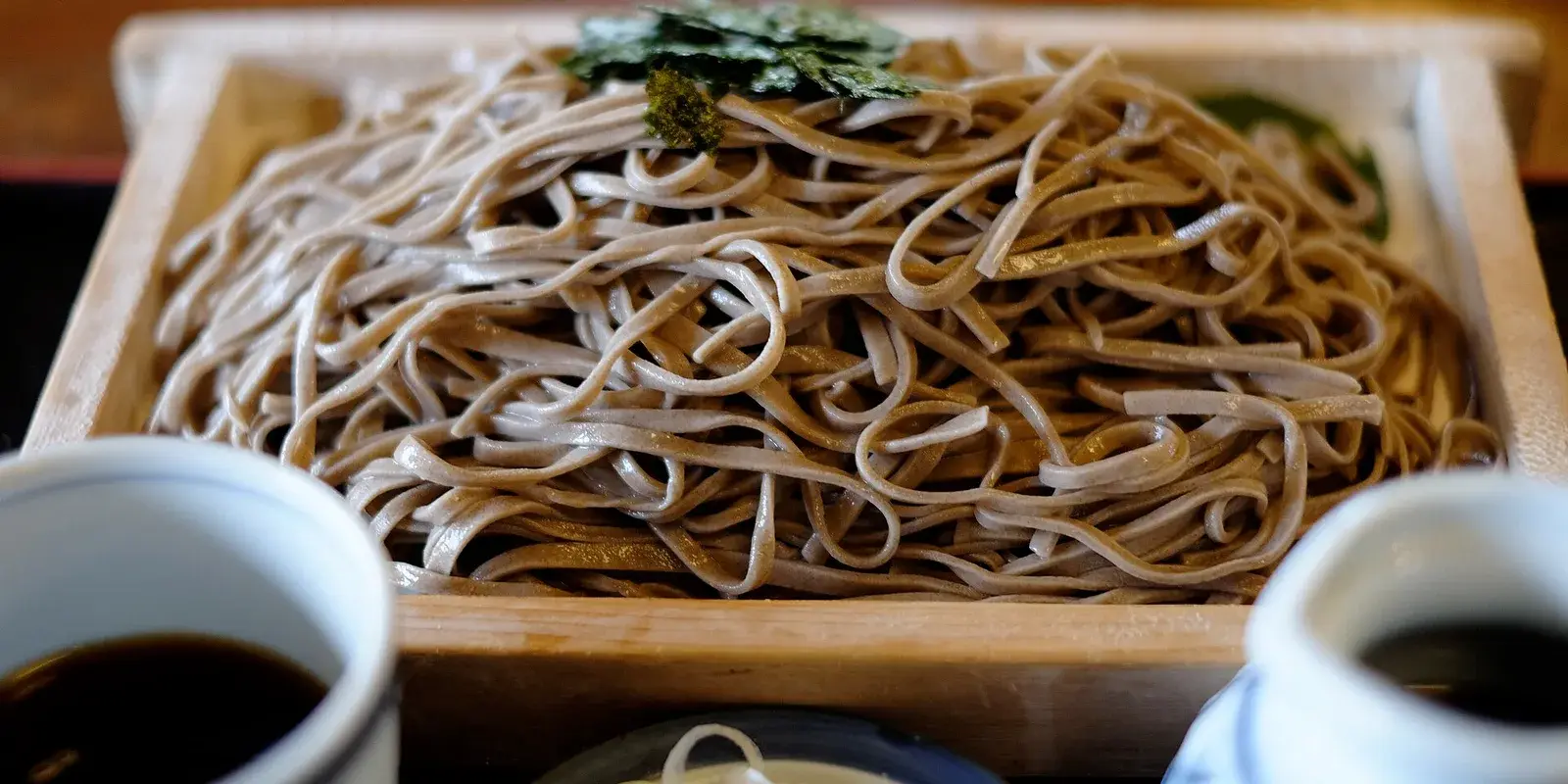
蕎麦は音を立てて食べるのが良いのではなく、音を立ててもかまわないのです。空気と一緒に啜りこむときの音は結果であって目的ではありません。 The point of eating soba isn't to make noise — it's that making noise is acceptable. The sound when you draw in noodles with air is a result, not a goal.
That reframe is important. If you try to slurp and it sounds a bit awkward, that's fine. The sound is simply a byproduct of the technique. Nobody is listening for correct slurping form.
A food journalist observed that slurping is even spreading in the other direction:
ニューヨークやロサンゼルスなどの都市部には意識高いフーディーが多いので、当然のようにラーメンの麺を啜り込む外国人は増え続けています。とはいえ啜り方はまだぎこちないので、それがアメリカらしいとも言えますね。 In cities like New York and LA, foodie-types naturally slurp their ramen. Their technique is still a bit clumsy, but that's kind of charmingly American. (Food journalist)
💬 What do you think?
Japanese readers: How do you feel about this?Visitors: Have you experienced this in Japan?
Share your voice →🟡 The Volume Question: Yes, There's a Limit
Here's the nuance most guides miss: even among Japanese people, excessively loud slurping is divisive.
Of 84 responses about slurping volume:
58% of Japanese people acknowledged that there IS a limit to acceptable slurping volume. It's an active conversation within Japanese culture itself.
One person drew a vivid line between acceptable and unacceptable:
麺類のすする音が大嫌いです。少し音がなるくらいならいいです。「ちゅるちゅる」ってかんじ。でもおっさんとかが「ズォー」って食べるのを聞くとすごくイラつきます。 I hate loud slurping sounds. A gentle "churu churu" is fine. But when middle-aged guys go "ZUOOO" — it drives me crazy.
That distinction (churu churu vs. ZUOOO) came up again and again. There's a widely understood, if unspoken, volume threshold.
すすること自体はOKだが、音量が大きすぎるのはマナー違反。 Slurping itself is OK, but too much volume is a manners violation.
わざとらしく、大きな音を立てるのは下品です。 Making deliberately loud noises is vulgar.
Several people pointed out that context matters:
正式な和食のマナーとしては、マナー違反です。ラーメン屋で食う分には下品に食べても目くじら立てない、というのが大人のマナー。 In formal Japanese dining, it's actually a manners violation. At a ramen shop, turning a blind eye to messy eating — that's the real adult etiquette.
And the defenders of slurping made their case too:
すすって食べないと火傷します。すするのは麺と空気を同時に吸い込みながら火傷せずに食べるためのテクニックです。 If you don't slurp, you'll burn yourself. Slurping is a technique for drawing in noodles and air together to avoid burns.
Both sides have a point. Slurping serves a practical purpose, and there's also a difference between functional slurping and performative slurping. As one soba expert put it, the sound is a byproduct rather than the goal.
💡 The unwritten volume rule
Japanese people themselves distinguish between gentle "churu churu" slurping and aggressive "ZUOOO" slurping. The limit is about whether you're drowning out the person next to you. And that applies to everyone, visitors included.
The Cultural Engine: Why Slurping Exists, And Why It's Shifting
So why did slurping become a thing in Japan in the first place? And is it changing?
The Practical Origins
Slurping wasn't invented as a cultural statement. It evolved for practical reasons:
Cooling: Drawing in hot noodles with a stream of air cools them as they enter your mouth. With boiling ramen broth, this is closer to survival than technique.
Flavor: Some people (and some soba masters) argue that drawing noodles in with air carries more aroma to your palate. Whether this is science or tradition is debated, but it's a genuine belief:
そもそも啜って食べる事で香りや味を楽しむ様に考えて作られる蕎麦。 Soba was designed to be enjoyed by slurping — drawing in the aroma and flavor together.
Chopstick mechanics: Unlike forks, which can twirl and lift, chopsticks grip noodles mid-strand. Slurping is the natural way to get long noodles from bowl to mouth when your only tool is a pair of sticks.
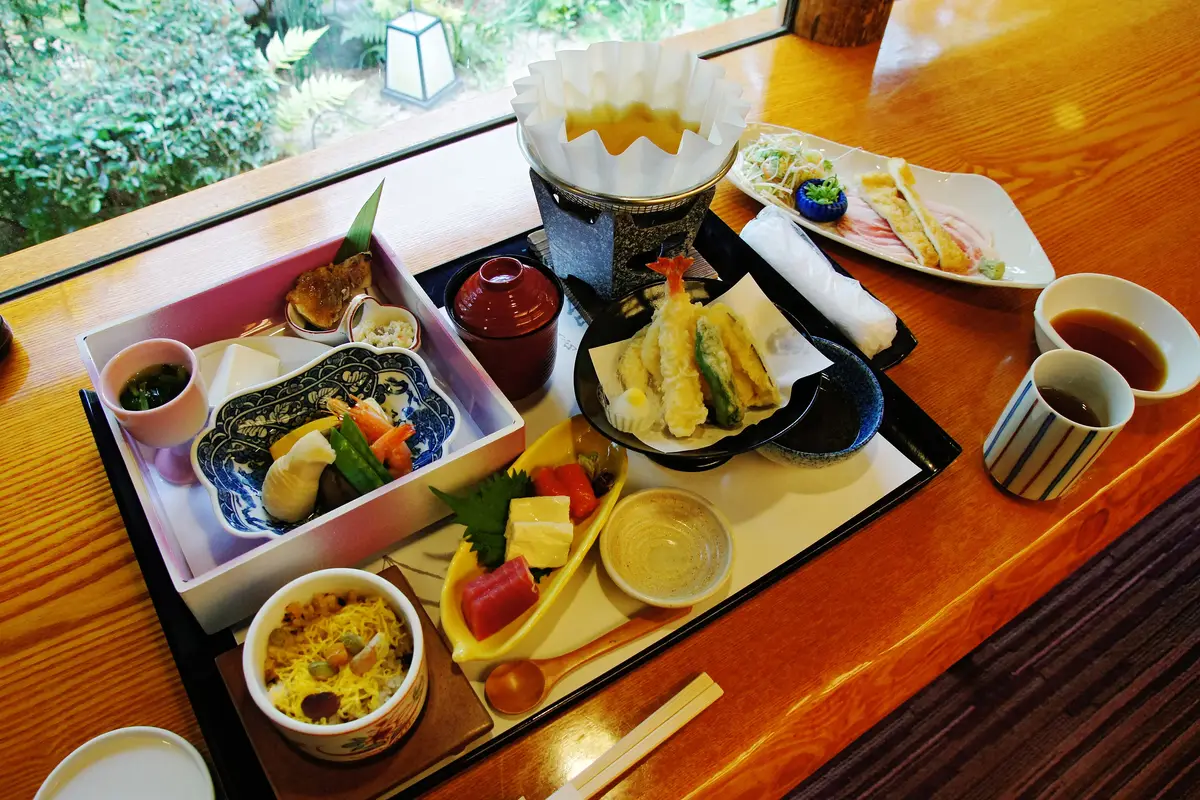
Tolerance, not requirement: A cultural analyst summed it up: Japanese dining evolved a tolerance for eating sounds around noodles, but it never became a strict requirement. In formal kaiseki cuisine, silence is still expected. The ramen shop simply operates under different rules.
The Generational Shift
Here's something Japanese media is actively discussing: younger Japanese people are slurping less.
Of 85 responses about generational differences:
A Shirabee survey (n=1,798) found that 20.1% of Japanese people have some resistance to slurping, and the rate jumps to 30% among teenage women, the highest of any demographic group.
昔から、麺を上手にすすることができない。好きなのに食べるのが下手なのを見せたくないので、外食ではあまり麺類のお店には行かないようにしている。 I've never been able to slurp well. I love noodles, but I don't want people to see me eating clumsily, so I tend to avoid noodle restaurants when eating out. (Woman in her 20s, Shirabee survey)
そういえば、私もすすってないです。いちお若者です。この質問みるまで自分でも気にしてなかったですが。外だけでなく、家でもすすりません。 Come to think of it, I don't slurp either. I'm a young person. I didn't even notice until I saw this question — I don't slurp at home either.
The gender dimension is significant. On a Japanese women's forum, many women shared practical reasons for not slurping:
ラーメンとかをすすると、汁が飛び散って服にかかってしまうことがある。それが嫌なので、箸で麺を押し込むような感じで食べている。 When I slurp ramen, the broth splatters on my clothes. I don't like that, so I kind of push the noodles in with my chopsticks.
Some defended the tradition:
レンゲにミニラーメン作って食べるの見ると引くわ。豪快にすすれとは言わないけど、無音で麺を噛み切って食べるのは変。 Watching someone make a mini-ramen on a spoon is off-putting. I'm not saying slurp loudly, but eating noodles in complete silence while biting them off is weird.
But the trend is clear: slurping in Japan is evolving. Rather than disappearing, it's becoming more of a personal choice and less of a cultural expectation. Which means eating quietly is becoming even more normal than it already was. To see how noodle etiquette sits among all the other things visitors wonder about, What Actually Matters (And What Doesn't) maps every topic by how much Japanese people actually care.
What Japanese People Actually Want You to Know
After reading all 403 responses, the most common message wasn't about slurping technique. It was this:
Just enjoy your food.
日本って平和なんだな〜と思います。そんなもんどっちだっていいよ。 Japan must really be a peaceful place if this is what we're debating. Honestly, either way is fine.
嫌いなものは嫌いでかまわないことです。啜る人に啜るなというほどのことでもないし、啜らない人に啜れというほどのことでもない。 It's okay to not like what you don't like. It's not worth telling slurpers to stop, and it's not worth telling non-slurpers to start.
食べ方は自由で、啜れない人は仕方がないと思います。 How you eat is your freedom. If someone can't slurp, that's perfectly fine.
And from a Tokyo University professor who weighed in on the "noodle harassment" debate:
食事の場で権力関係は生じにくい。メディアは「ハラスメント」というキャッチーな表現に安易に乗っかり、言葉の使い方への注意が欠如しています。 Power dynamics don't really arise at the dinner table. The media jumped on the catchy word "harassment" without being careful about how they used it.
The bottom line from Japanese people themselves: there is no noodle police. Nobody is watching how you eat your ramen. The people who care the most about your experience, the chefs and the staff, just want you to enjoy it. If you're planning your first days in Japan and wondering how to handle similar moments at restaurants and beyond, Your First Week in Japan covers the practical side of eating, navigating, and settling in.
And if you really want to make a ramen chef smile? It's the same answer as with chopstick etiquette: enjoying the food is the real manners. Say gochisousama when you leave. That matters infinitely more than whether you slurped.
More Japanese Perspectives
Curious about other aspects of eating and daily life in Japan? These articles explore what Japanese people actually think, based on hundreds of real voices.
- Do Japanese People Actually Care How You Hold Chopsticks?: 163 Japanese people share the honest truth. Spoiler: there's really only one thing worth knowing.
- The Power of Itadakimasu: Two words that change how a restaurant sees you.
- What Happens When You Tip in Japan?: The confusion, the chasing, and the completely different motivation behind Japanese service.
Share Your Experience
Had a funny, awkward, or surprisingly relaxed moment eating noodles in Japan? We'd love to hear it. Your story helps build a bridge between cultures.
Share your experience on Voice Box →
Sources
Primary Research Data
- WMJS slurping research data (403 Japanese-language responses collected April 2026)
- Whether not slurping is rude: 85 responses
- Reactions to foreigners trying to slurp: 62 responses
- Feelings about quiet eating: 87 responses
- Opinions on loud slurping: 84 responses
- Generational differences: 85 responses
Statistical Data
- Shirabee (2021): 20.1% of Japanese people have resistance to slurping (n=1,798). Among teenage women, the rate reaches 30%.
Opinion Collection Sources
The following sources were used to collect Japanese people's opinions and sentiments. These are not cited as factual authorities but as places where real Japanese people expressed their views on slurping.
- Public Japanese Q&A sites, forums, and social posts: first-hand opinions on whether not slurping is rude, reactions to foreigners trying to slurp, feelings about quiet eating, views on loud slurping, and generational differences.
- https://www.j-cast.com/2016/11/19283707.html?p=all
- https://sirabee.com/2021/10/10/20162534596/
Note on Quotations
Quotes from online platforms have been lightly edited for readability (fixing typos, formatting for clarity). The meaning and intent of each comment remain unchanged. Original sources are linked above.
Prefer just the numbers? The counts behind this topic live on one page: Do you have to slurp? What Japanese people actually say, in numbers.
WMJS is written in Japan, in English, with AI help. We check every page, but English is not our first language. If a sentence reads oddly, tell us. One sentence is enough.
Thank you. A person reads every note.
How well do you know Japan?
Based on 51,218+ real Japanese voices
Want to know more? Ask Japanese people
Have a follow-up question about this topic? We'll ask real Japanese people.
Voice Box →