
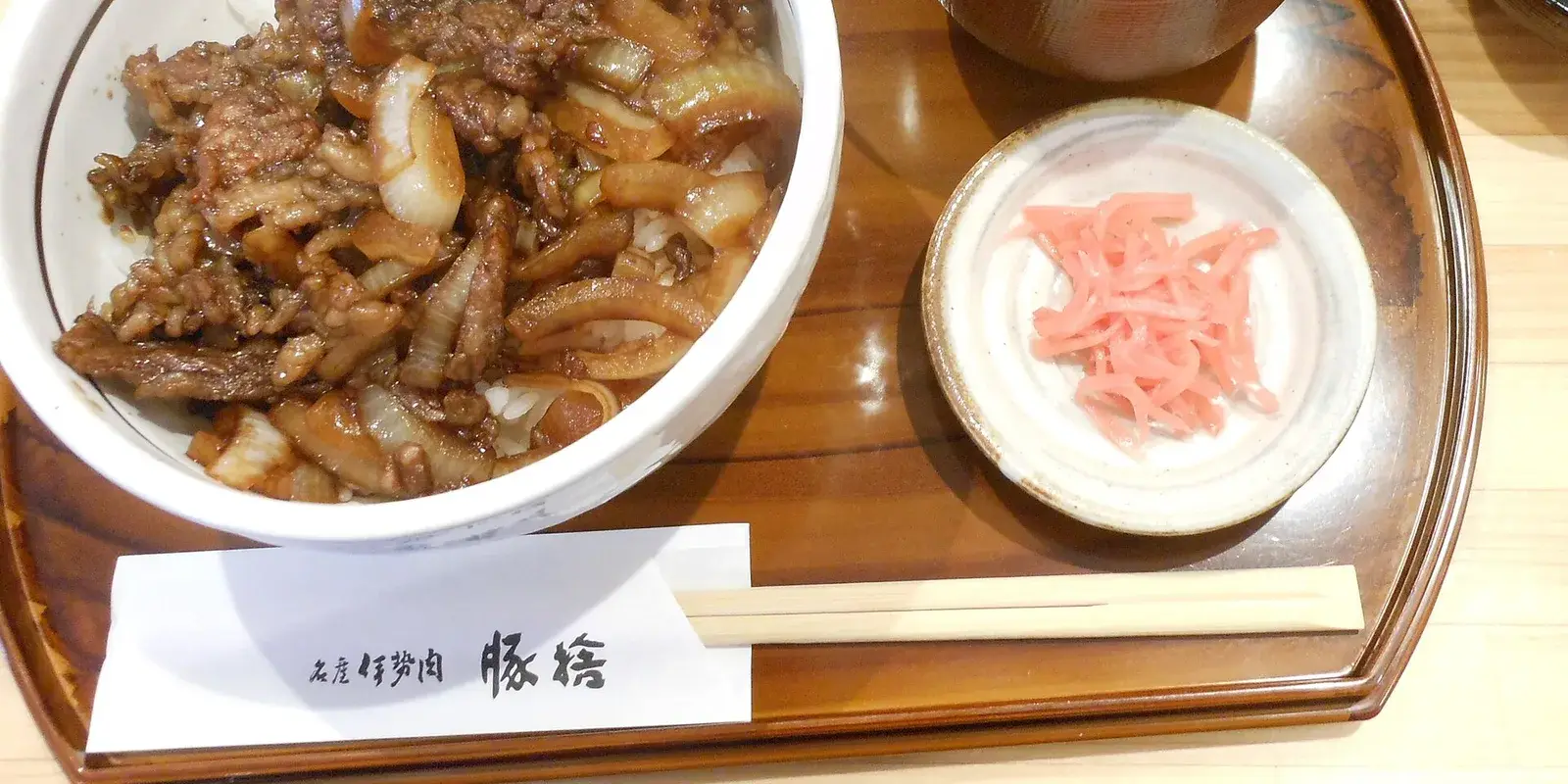
Do Japanese People Actually Care How You Hold Chopsticks?
What you'll learn in this article:
- What 163 Japanese people actually said about chopstick etiquette
- There's really only one thing worth remembering
- Why that one thing matters — and why everything else doesn't
If you're planning a trip to Japan and feeling a little nervous about chopstick etiquette, take a deep breath. You're going to be just fine.
We collected 163 real opinions from Japanese people across Q&A forums, social media, and food blogs to find out what they actually think about common chopstick "rules." The short answer? Most of them care way less than you'd expect. And the one thing that does matter comes from a really meaningful place. Once you understand it, it just makes sense.
Do Japanese people care about chopstick etiquette? We read what 163 Japanese people wrote. The clear answer: asking for a fork is perfectly fine (57% don't mind), and fewer than half of Japanese adults hold chopsticks "correctly" themselves. Only one thing genuinely matters — don't stick chopsticks upright in rice, which 73% find deeply uncomfortable because it resembles a Buddhist funeral offering. Beyond that, just enjoy the meal.
Quick Guide
| Situation | What Japanese People Said | |
|---|---|---|
| 🟢 Relax | Asking for a fork | The vast majority accept this without a second thought. "The real manners are enjoying the food." |
| 🟡 Good to know | Chopstick grip style | Fewer than half of Japanese adults hold chopsticks with the textbook grip. Some people notice, but most don't mind. |
| 🔴 Worth noting | Sticking chopsticks upright in rice | This mirrors a funeral ritual for the deceased. 72.6% of responses expressed strong discomfort. Now that you know the reason, it's easy to remember. |
The one thing to remember: Japanese people care far more about you enjoying the meal than getting every detail "right." The only thing worth being aware of is the upright-chopsticks-in-rice taboo, and once you know the reason (it resembles a funeral offering), it just makes sense.
How We Gathered These Voices
We collected 163 Japanese-language responses across three chopstick topics: asking for a fork (53 responses), chopstick grip style (37 responses), and sticking chopsticks upright in rice (73 responses). We gathered these voices from public Japanese Q&A sites, forums, and social posts, along with blog comments, food industry publications, and lifestyle media.
A quick note: This isn't a controlled scientific survey. It's a collection of what real Japanese people said in their own words, in their own language, on public platforms. No English-language etiquette guide has put together this range of Japanese perspectives before, and we think that matters.
The Temperature Gauge
Here's the thing: not all chopstick "rules" carry the same weight. Some are basically non-issues. One genuinely matters. This is part of a bigger picture — What Actually Matters maps out which Japanese etiquette points truly count. Let's walk through what Japanese people actually said.
🟢 Asking for a Fork
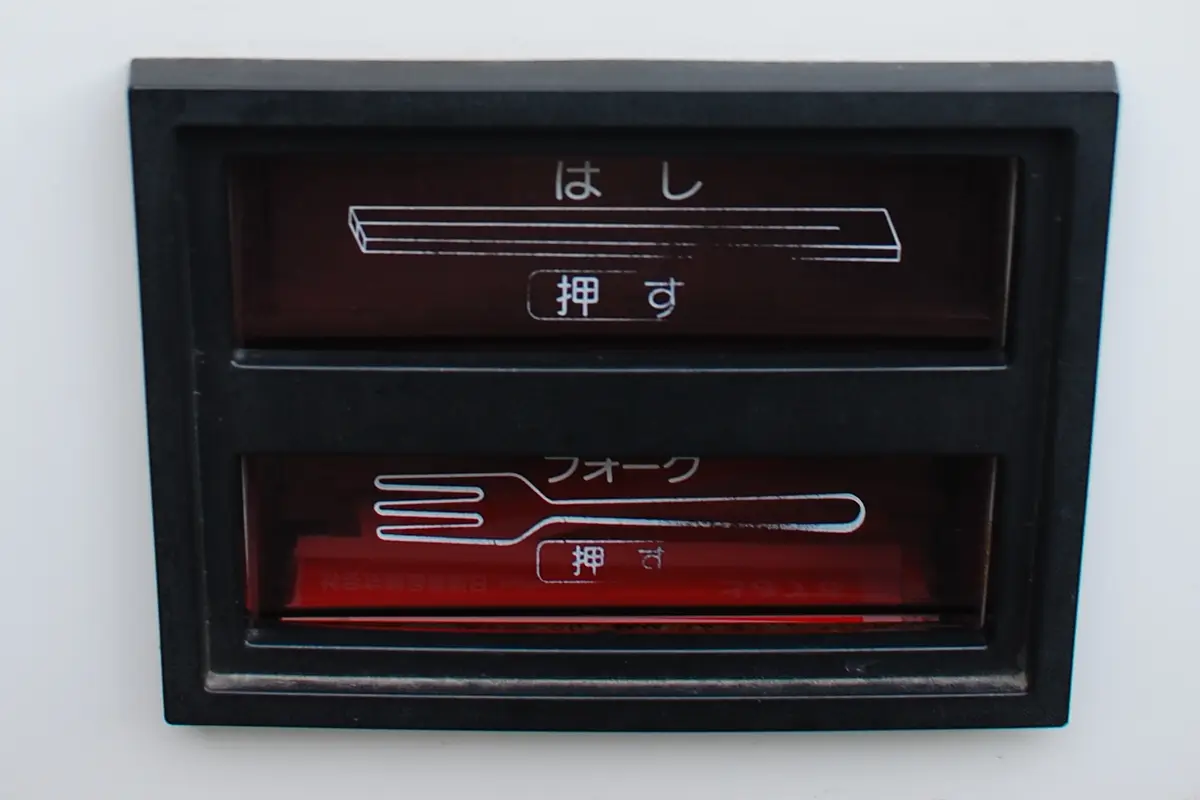
The honest answer: nobody minds.
Out of 53 responses about foreigners using a fork at Japanese restaurants, the vast majority were totally fine with it.
The message that came through loud and clear? Enjoying your meal is what matters (not which utensil you pick up).
少し変だと思います。本当のマナーは美味しくいただくことだと思います。 I think the real etiquette is simply enjoying the food.
温かいものを無理して慣れないお箸使ってチマチマ食べて冷めてしまうよりは、美味しいうちに食べて欲しい。 Rather than struggling with unfamiliar chopsticks and letting hot food go cold, I'd rather they eat it while it's delicious.
常識非常識の範囲はあるけれど、日本では基本的に他人に迷惑をかけない限り、誰もなんとも思わない。 There are some limits of common sense, but in Japan, as long as you're not causing trouble for others, nobody thinks anything of it.
スパゲティを箸で食う日本人もいるし別にいいんじゃね?ラーメンの喰い方なんて自由でいいんだよ。 Japanese people eat spaghetti with chopsticks too, so what's the problem? How you eat ramen is a matter of freedom.
Here's something that might put your mind at ease: even high-end Japanese restaurants (ryotei) keep forks ready for international guests. Someone who works in diplomatic hospitality wrote: "When hosting embassy staff from countries around the world, we set out chopsticks as the default and keep knives and forks available. Eat however you prefer." And in more casual spots like izakaya, where most of the fun happens, the atmosphere is even more relaxed. (If you haven't been to one yet, here's what to expect at your first izakaya.)
And honestly? Several Japanese people said they themselves eat ramen with a fork. One person wrote simply: "I'm Japanese, and I eat ramen with a fork. It's much easier than chopsticks."
The only practical note anyone raised: using a metal fork on delicate lacquerware (urushi) bowls could scratch them. That's about caring for beautiful dishes, not judging you.
So if you want to ask for a fork, go right ahead. Nobody's going to think twice about it.
💡 What Japanese people want you to know
"The real etiquette is simply enjoying the food." — The message that came through louder than anything else from 163 Japanese voices.
🟢 Chopstick Grip Style
The truth is: nobody minds this either. And here's the best part: lots of Japanese people hold chopsticks "wrong" too.
Of 37 responses about how foreigners hold chopsticks, most people were positive or neutral. The few critical comments? They were about chopstick grip in general, aimed at everyone, not just visitors.
What really stood out is how often Japanese people pointed out that they struggle with the "correct" grip too:
日本人の成年男女でもお箸をしっかりと持っている人は半数にも及ばないそうです。 Apparently, fewer than half of Japanese adults hold chopsticks with the 'correct' grip.
箸の上手下手は国籍関係ありません。大半が家庭教育の影響。 Chopstick skill has nothing to do with nationality. It's mostly about how you were raised.
箸の持ち方なんてカラスの勝手で自分の好きなようにやれば良い。 How you hold chopsticks is your own business. Do it however you like.
これも個性なので、気にする必要はない! This is just individuality, no reason to worry about it!
Something really sweet came up in the responses: people expressed genuine admiration for foreigners who make an effort before visiting Japan — the same warmth Japanese people show when visitors try speaking a few words of Japanese. A soba restaurant worker wrote: "The foreign tourists at our shop hold their chopsticks beautifully. Some apparently practice on YouTube before coming to Japan."
A writer for TRiP EDiTOR, based in California, noticed that Americans' chopstick skills have visibly improved: "I often find myself thinking, 'Americans have really gotten good with chopsticks.'"
One interesting thing people brought up repeatedly: Japanese people are actually aware that saying "You're so good with chopsticks!" can feel patronizing to foreigners. As one person put it: "Imagine if a Westerner said to you every time, 'Wow, a Japanese person who can use a knife and fork properly. How impressive!' Would that feel good?"
Bottom line: hold your chopsticks however feels comfortable. You're in good company. Half of Japan is doing the same thing.
💡 The number that changes everything
Fewer than half of Japanese adults hold chopsticks with the "correct" grip. You're not being judged — half of Japan is in the same boat.
🔴 Sticking Chopsticks Upright in Rice
This one's worth knowing about, not to scare you, but because understanding why it matters actually makes it easy to remember.
Of 73 responses, the feelings were strong. This isn't about table manners. It touches something much deeper.
Here's what's behind it: sticking chopsticks vertically into a bowl of rice looks exactly like makura-meshi (pillow rice), a ritual offering placed at the bedside of someone who has just passed away, as part of Japanese Buddhist funeral customs. For many Japanese people, seeing this at a dinner table brings up an immediate, instinctive association with death.
御霊前に供える「枕飯」を連想させるからです。早い話が「死ね!」と言っているようなもの。 Because it evokes 'makura-meshi,' the offering placed before the deceased. To put it bluntly, it's like telling someone 'Drop dead!'
私は、そのような箸の立て方は、絶対にしません。また、そのような箸を見たら許せなくなります。 I would never place chopsticks like that. And if I saw someone do it, I would find it hard to let it pass.
これは超絶NGです。マナー以前の問題ですね。 This is an absolute no-go. It goes beyond manners.
「それ、仏さんに食べ物をお供えする時だけ!」と子どもの頃に親から注意された。 'That's only for when you offer food to the dead!' My parents corrected me instantly when I was a child.
This isn't unique to Japan, by the way. People noted that the same taboo exists in China, Korea, and Vietnam (all cultures with similar funeral customs).
Even the most relaxed, "eat however you want" voices in our data made an exception here. The funeral connection puts it in a different category from other etiquette points.
A little historical note that we found fascinating: in Japan's Heian period (794-1185), standing chopsticks upright in rice was actually a formal way of serving a special type of rice called kowameshi (hard-steamed rice). The funeral association came later, transforming what was once hospitality into taboo.
💬 What do you think?
Japanese readers: How do you feel about this?Visitors: Have you experienced this in Japan?
Share your voice →But please don't stress about this. Now that you know the reason, it's one of those things that just clicks — you'll naturally avoid it because it makes sense, not because you're anxiously memorizing a list of rules. Your First Week in Japan covers dining and many other things you'll encounter day by day. And if you ever do it by accident? Most Japanese people understand that visitors simply don't know. A quick "oh, sorry!" and moving your chopsticks is all it takes. No one will hold it against you.
The Bigger Picture
Looking at all 163 responses together, a really beautiful picture of Japanese dining culture emerges.
Enjoying food together matters more than doing it "right." The most common theme across everything we read wasn't about rules. It was about joy. "The real manners are enjoying the food." "I'd rather they eat it while it's warm." "How you eat ramen is a matter of freedom." Japanese people broadly feel that sharing a good meal matters more than perfect technique — a feeling that starts with the simple act of saying "itadakimasu" before eating. And that's a pretty wonderful thing.
The funeral connection is where the line is drawn. The green topics (forks, grip style) are about practical skill and personal preference: everyday stuff. The red topic (upright chopsticks in rice) crosses into spiritual territory. In Japanese Buddhist practice, certain rituals are performed only for the dead: makura-meshi (rice with upright chopsticks), kotsuage (passing bones between chopsticks during cremation). Performing these acts at a regular meal evokes death at the table, and that's understandably unsettling.
The word for chopsticks (hashi) shares its pronunciation with the word for bridge (hashi). In Japanese Buddhist thought, chopsticks symbolize a bridge between this world and the next. When that symbolism shows up unintentionally at dinner, it carries a weight that goes beyond etiquette.
Japanese people hold themselves to the same standard. One of the most heartwarming patterns we found: Japanese people consistently pointed out that these expectations apply to everyone, not just visitors. "Fewer than half of Japanese adults hold chopsticks correctly." "Japanese people eat spaghetti with chopsticks, so it's fine if foreigners eat ramen with a fork." This isn't a double standard. It's a shared cultural understanding applied to everyone equally.
💡 Why chopsticks are more than utensils
The word for chopsticks (hashi) means the same as bridge (hashi). In Japanese Buddhist thought, chopsticks symbolize a bridge between this world and the next — which is why funeral rituals involving chopsticks carry such deep weight.
More Japanese Perspectives
Curious about other aspects of daily life in Japan? These articles explore what Japanese people actually think — based on hundreds of real voices.
- Why Japanese Trains Are Silent — 177 Japanese people explain the unwritten rules of train etiquette — and why they know their silence is unusual.
- No Trash Cans, No Problem — 232 Japanese people share how they really feel about the "carry your trash" culture — including why many of them are embarrassed by it.
Share Your Experience
Have a story about chopsticks in Japan? We'd love to hear it. Your voice helps us build a bridge between cultures, and we may update this article with new perspectives.
Share your experience on Voice Box →
Sources
Primary Research Data
- WMJS chopstick etiquette research data (163 Japanese-language responses collected April 2026)
- Asking for a fork: 53 responses
- Chopstick grip style: 37 responses
- Sticking chopsticks upright in rice: 73 responses
Opinion Collection Sources
The following sources were used to collect Japanese people's opinions and sentiments. These are not cited as factual authorities but as places where real Japanese people expressed their views on chopstick etiquette.
- Public Japanese Q&A sites, forums, social posts, and personal blogs — first-hand opinions on asking for a fork, chopstick grip, and the upright-chopsticks-in-rice taboo
- https://tripeditor.com/479883
- https://tripeditor.com/478885
- https://www.hotpepper.jp/mesitsu/entry/noriki-washiya/17-00077
- https://human.sankei.co.jp/guide/blog/inbound-vol-20/
- https://www.j-cast.com/2020/07/05388997.html?p=all
- https://www.fukuoka-now.com/ja/building-bridges-with-chopsticks/
- https://kinarino.jp/cat6/32272
- https://honichi.com/news/2018/09/21/traveljapanlist/
- https://eikaiwa.dmm.com/uknow/questions/109410/
- https://blog.gaijinpot.com/dont-stick-chopsticks-bowl-rice/
- https://www.nippon.com/ja/guide-to-japan/gu020010/
- https://ja.wikipedia.org/wiki/%E5%AB%8C%E3%81%84%E7%AE%B8
- https://www.excite.co.jp/news/article/Searchina_20190625050/
- https://www.hyozaemon.co.jp/culture/manners/
- https://livejapan.com/en/in-tokyo/in-pref-tokyo/in-tokyo_train_station/article-a0001284/
Note on Quotations
Quotes from online platforms have been lightly edited for readability (fixing typos, formatting for clarity). The meaning and intent of each comment remain unchanged. Original sources are linked above.
Prefer just the numbers? The counts behind this topic live on one page: Can't use chopsticks? What Japanese people actually say, in numbers.
WMJS is written in Japan, in English, with AI help. We check every page, but English is not our first language. If a sentence reads oddly, tell us. One sentence is enough.
Thank you. A person reads every note.
How well do you know Japan?
Based on 51,218+ real Japanese voices
Want to know more? Ask Japanese people
Have a follow-up question about this topic? We'll ask real Japanese people.
Voice Box →