
Is Karuizawa Worth It? Two Very Different Towns Share the Same Train Station
Most people who make the trip to Karuizawa say it was worth it. The ones who do not usually blame one of two things: the day or season they arrived, or shops that felt dull rather than special. A smaller number arrived with the wrong Ginza in mind.
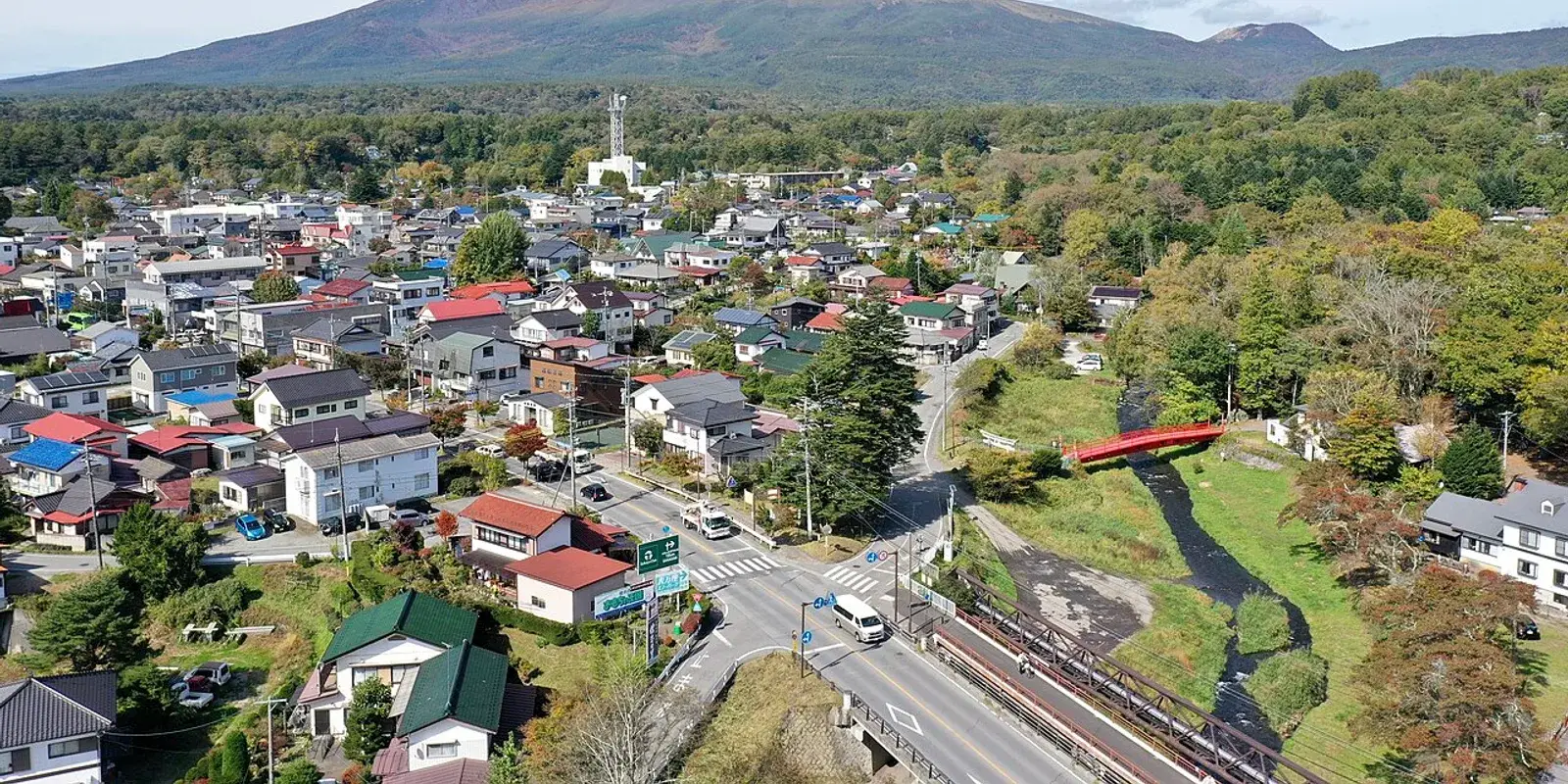
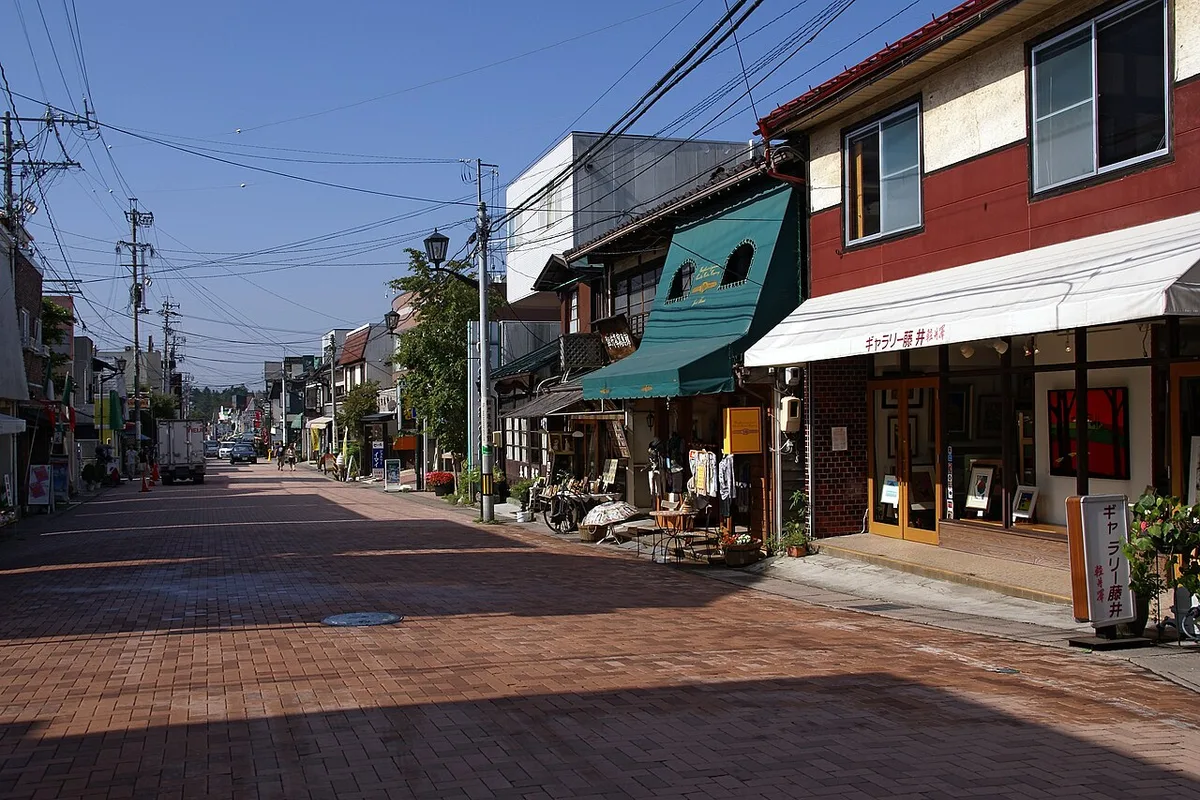
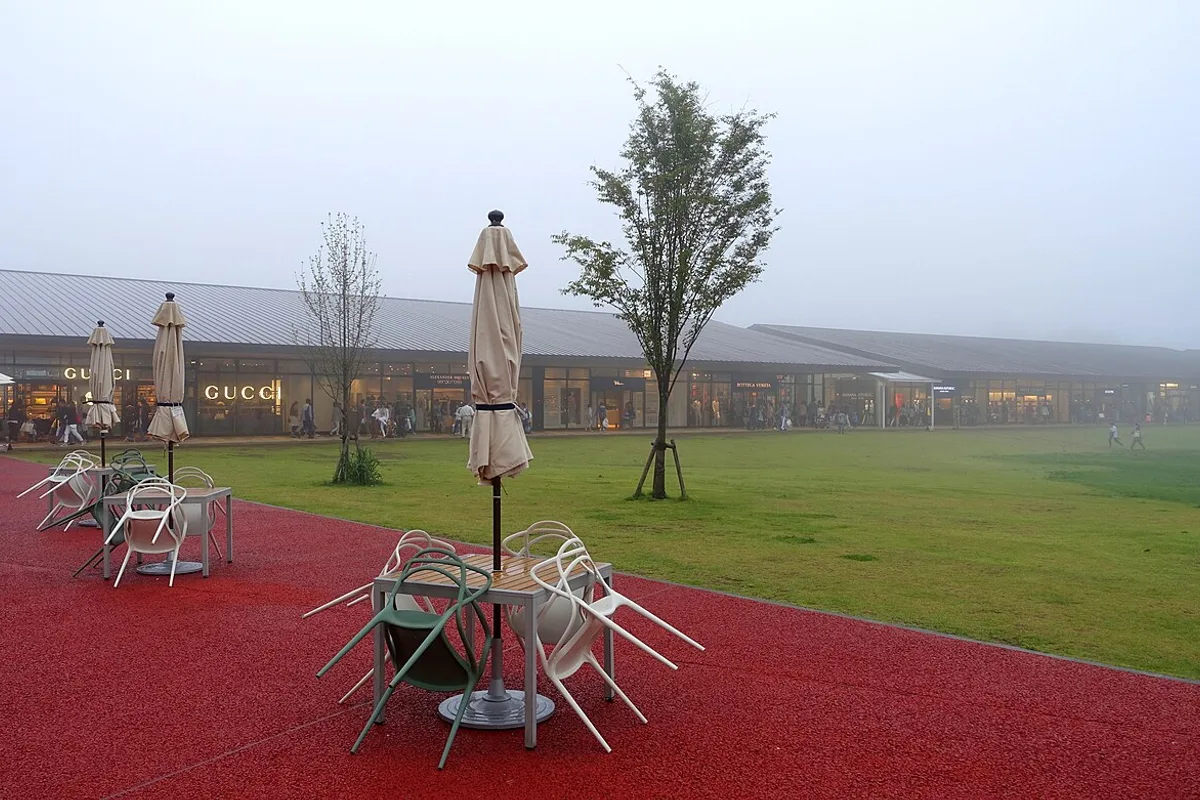
An hour out of Tokyo Station on the Hokuriku Shinkansen, you arrive at a town that is really two towns wearing one name. On one side of the station is Karuizawa Prince Shopping Plaza, an open-air outlet mall with more than 200 stores and manicured lawns. A twenty-to-thirty-minute walk away, or a short bus ride, is Kyu-Karuizawa Ginza, the old main street, a short run of brick paving and small shopfronts. Foreign visitors often arrive expecting one Karuizawa and find the other, or they arrive on a weekday, when the old street can go quiet. Here is what people who have actually been there, foreign and Japanese, say about it.
What foreign visitors say
We gathered 79 real reviews and comments from international visitors, on Reddit and TripAdvisor, about whether Karuizawa was worth their time.
Most people who make the trip come away pleased, and the reasons repeat: the cafés and small shops along the brick street, the cool green setting at the foot of Mount Asama, and the brand-name bargains for those who make it to the Prince Shopping Plaza. One traveler from Portland put it simply: "Even if you don't need anything, go for a walk and check out the stores. There are so many things you don't want to buy that you will buy." A few singled out specific finds along the way: fresh jam and honey tastings, or the Karuizawa-bori woodcraft shop. One visitor from Hong Kong made a similar point about the season: the greenery from May to July, and red leaves arriving here earlier than in central Tokyo.
Of the disappointed voices, about a third name the day or season they picked, arriving to closed shops or an off-season lull. One traveler arrived at 4:30pm on a summer weekday and found the old main street "absolutely dead and only 10% of the shops were opened," calling the whole scene "absolutely depressing" and warning others not to go "either in Weekday or Summer." A reply beneath that post explained it more precisely: "It's a weekend resort for Tokyo folk, many of whom have second homes there." A visitor from Hong Kong, hoping for a spring stroll through slow-paced nature, found instead that "nine out of ten houses were empty" and shops closed to avoid the cold. Several other reviewers noted that shops close around five, and one long-time visitor described the street as deserted by seven. Roughly another quarter simply found the shops themselves dull. The rest ranged wider: two argued a day trip is too rushed and urged visitors to stay the night instead, one blamed cedar pollen, one found the onward routing to Kyoto a hassle, and one simply preferred other stops in Japan. One more, covered next, was let down by something else entirely: the name.
A visitor from Kuala Lumpur wrote that they came "expecting posh shops, like the Ginza in Metropolitan Tokyo" and instead found, in their own words, "some shops selling outdated stuff." Kyu-Karuizawa Ginza is a few hundred meters of jam and honey shops, not a shopping district on the scale its name promises, and travelers who arrive with Tokyo's Ginza in mind are set up to feel shortchanged before they have walked a block.
What Japanese visitors say
We gathered 112 reviews from Japanese visitors, in their own words on jalan, 4travel and TripAdvisor, about the same question.
The clearly negative voices run to only six percent here, less than half the foreign rate. Part of the gap comes down to the calendar. One reviewer, describing a winter visit to the old Ginza street, called it simply "quiet neighborhood in winter" (translated), a plain fact about the season, stated without complaint. A couple of other Japanese reviews describe the same emptiness without calling it a letdown, just a fact about the season.
The sharper regrets, where they exist, come from people measuring the town against their own memory. One reviewer, comparing the old Ginza street to the Karuizawa they knew more than twenty years earlier, wrote it in their own English: "It was a quiet and beautiful city when I used to spend summer in Karuizawa more than 20 years ago, but it changed," pointing to the crowds and the souvenir shops now aimed at tourists; they rated the visit one star out of five. Another reviewer's title captured a similar feeling: a yearly summer visit since childhood that "ends in disappointment" (translated). That longing for a changed past sits alongside far more reviewers who visit every year for the outlet sales and the cool air, which still deliver exactly what they came for.
Why the two verdicts don't match
Sixteen percent of foreign visitors in this corpus left disappointed, against six percent of Japanese visitors. The two gauges are not built from an identical mix of sources. The foreign corpus includes Reddit trip-planning threads, where doubt gets voiced out loud, and a couple of its voices are regulars based in Japan explaining the town to first-time visitors. The Japanese corpus is almost entirely review-site entries, and most of those are outlet-mall reviews. Narrowed to the old Ginza street alone, where both corpora genuinely overlap, the gap is closer to nineteen percent of foreign reviewers unhappy against about ten percent of Japanese reviewers. Smaller than the headline numbers, but still real, and the two groups are answering the question with different information.
Japanese visitors treat Karuizawa as the seasonal resort town it has been for generations, a personality that changes by the week. Many foreign visitors are planning a single trip to Japan from thousands of kilometers away and have no way to build in that kind of local calendar sense. Nagano's official tourism guide says as much, noting that winter "is one of the least busy times to visit Karuizawa" and that "some facilities close for part or all of winter." A traveler squeezing a single weekday afternoon between two other stops has no way to know that in advance unless someone tells them.
The second mismatch is geographic. Karuizawa Prince Shopping Plaza and Kyu-Karuizawa Ginza sit a twenty-to-thirty-minute walk apart and feel completely different: one is a modern, brand-name outlet mall with more than 200 stores; the other is a low-rise street that began as the main road of a Nakasendo post town and was remade into a resort high street as Karuizawa became a summer retreat from the late 1880s onward, after a Western missionary's love of the area helped turn it into what is often called one of Japan's first summer resorts. Visitors who only see one half often assume it is the whole story: someone expecting Tokyo-Ginza-style shopping in the old street's jam and honey shops (like the visitor from Kuala Lumpur above), or someone who spends the day at the outlet mall by the station and never makes the twenty-minute trip up to the old street.
What actually rewards a visit
Once the timing and the geography are sorted out, the praise in both gauges points at the same handful of things. Karuizawa sits on a high plain at the foot of Mount Asama. Japanese reviewers describe it as cool enough for summer; foreign visitors describe that same coolness as their escape from Tokyo's heat. Kumoba Pond, about fifteen minutes on foot from the old Ginza, is singled out by Nagano's official tourism guide for its autumn foliage. The shopping itself works too, once you pick a lane: the outlet mall for brand-name bargains and a pleasant open-air layout with lawns and a dog park, or the old street for jam, honey, and a woodcraft shop or two. Give the old street its own outing, separate from the mall.
The welcomed way to plan it
Picking the season does the most work. Nagano's official guide already names winter as the quiet stretch, when facilities close for part or all of it. The 4:30pm traveler quoted above ran into a second risk that can bite in any season: a weekday, when fewer of the old street's shops open at all and the street empties out sooner than on a weekend. Whatever the day, check opening hours before dinner: much of Kyu-Karuizawa Ginza closes by early evening even in peak months, so plan the old street for daytime and save the evening for wherever you are staying.
Give the outlet mall and the old street separate outings; trying to walk both in one afternoon is how visitors end up feeling rushed at both. If the trip allows it, stay the night. That is exactly what a couple of the Reddit voices above were really asking for: "Spend the night mate. A day trip to Karuizawa is gonna be tiring," wrote one; "You got to karuizawa to relax and soak up the atmosphere... stay the night and enjoy," wrote another. Most of the visitors in the corpus who did stay over describe it warmly: one stayed four nights to shop and ski every year, another recommends two nights as "ample time to enjoy the sights and restaurants," and one who stayed overnight said Karuizawa itself had "a laid back vibe."
Karuizawa on a July Saturday and Karuizawa on a February Tuesday are close to two different trips. Knowing which one you are booking decides almost everything else here.
That is the general shape of it. For the practical side, where to catch the bus, which season to avoid, and how to fit Kumoba Pond and Shiraito Falls into a single day, Go! NAGANO's official Karuizawa guide covers the logistics this article does not.
Still deciding where Japan is worth your limited days? Our hub on what actually matters when choosing places in Japan gathers every gauge we have made.
Sources
- Go! NAGANO Official Travel Guide of Nagano, Japan: Karuizawa Guide (access, seasonal crowding and closures, Prince Shopping Plaza store count, Kumoba Pond autumn foliage)
- NHK WORLD-JAPAN, "Dive in Tokyo: Karuizawa – The Story of a Beloved Mountain Retreat" (history: from Nakasendo post town to summer resort)
Visitor voices in this article are quoted verbatim from public reviews and comments by international visitors (Reddit, TripAdvisor) and Japanese visitors (jalan, 4travel, TripAdvisor), collected in September 2026. Japanese voices are shown in translation, marked (translated); one Japanese reviewer posted bilingually and is quoted from their own English. The percentage gauges summarize every usable first-hand voice we collected; they are a reading of real voices without the controlled sample a survey would have.
WMJS is written in Japan, in English, with AI help. We check every page, but English is not our first language. If a sentence reads oddly, tell us. One sentence is enough.
Thank you. A person reads every note.
How well do you know Japan?
Based on 51,218+ real Japanese voices
Want to know more? Ask Japanese people
Have a follow-up question about this topic? We'll ask real Japanese people.
Voice Box →