
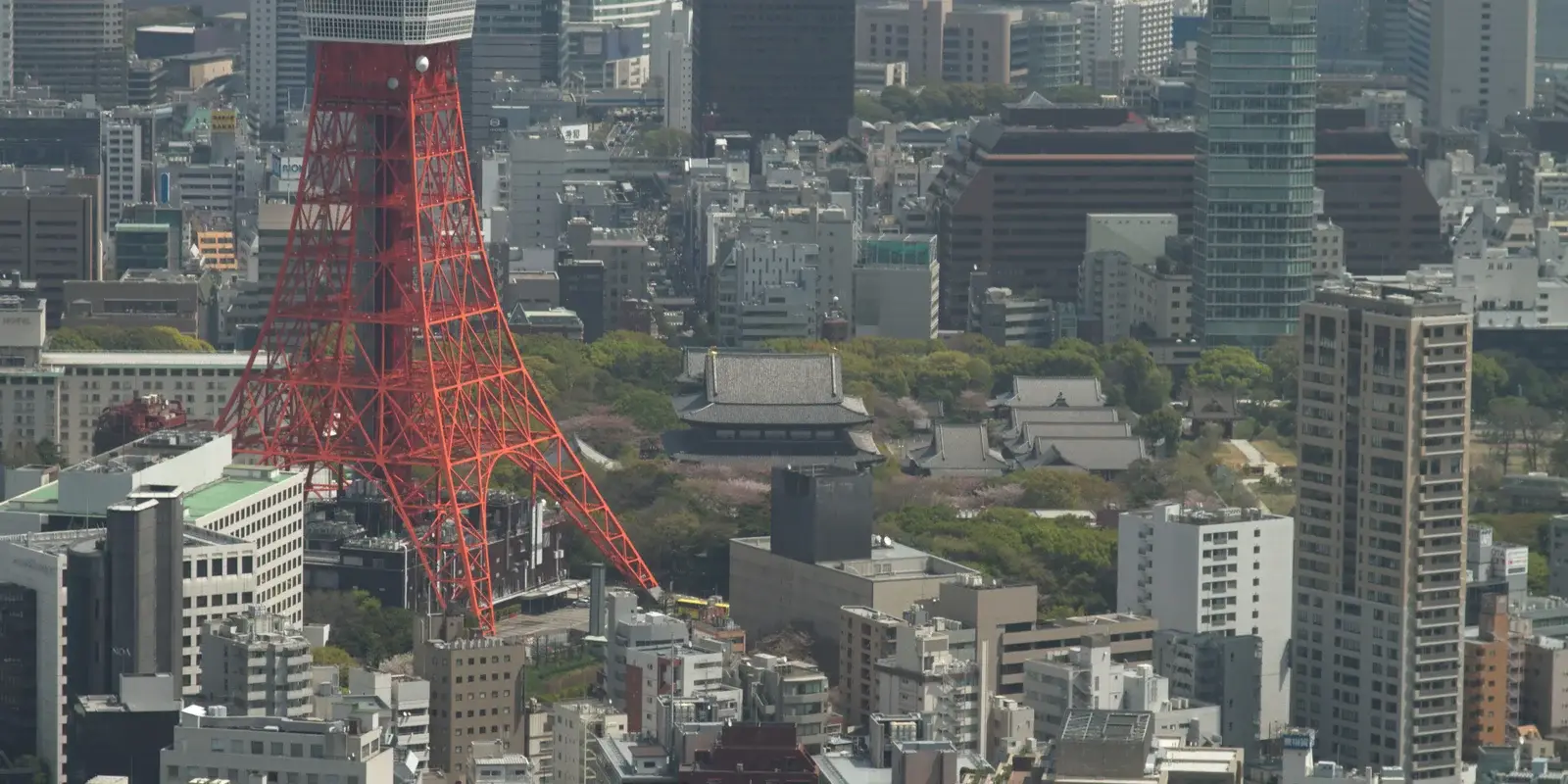
Is Tokyo Tower Worth It? What Skytree Couldn't Take From It
Every plan that includes Tokyo Tower runs into the same fork before a single ticket is bought: go here, or go to Skytree, which is taller, newer, and the one that shows up first when you search for "best view of Tokyo." Skytree took over as Tokyo's main broadcasting tower back in 2012. Tokyo Tower kept getting visitors anyway, including people who go up once, come back years later, and mean it.
Is it worth it? (in visitors' own words)
We gathered the voices of international travelers who have actually been up Tokyo Tower, on Reddit and TripAdvisor, and read them with one question in mind: was it worth it? Here is how they fell:
One reviewer opened with a line that captures the defensive crouch a lot of these accounts share: "Don't believe the negativity… the experience is breathtaking… It's spectacular." Another jumped into a thread full of complaints to say the opposite: "Strange to see the comments here… I just did this in the morning and the views from the top deck were awesome and the main deck views were cool too. Sure it's not outdoors like the Eiffel Tower but… it's not the Eiffel Tower." People arrive expecting to be talked out of it and mostly aren't.
The red slice doesn't point at one single thing. Some of it is the view itself: one visitor's night photos were ruined by "glare from the glass window with multi color lights inside," and another found "much of the view is blocked by surrounding buildings" that have grown up since 1958. Some of it is a flat verdict against the comparison with Skytree, summed up by one reviewer in three words: "Overrated, kinda dirty." And some of it lands on the guided Top Deck Tour specifically: a reviewer who booked it called the experience "a hideous experience," describing a wait for a sunset slot that came late, a walk through unlit holding areas, unhelpful staff, and a refund refused at the desk. Another, given a 15-minute slot to reach the elevator, ended up waiting 25, then found the Top Deck itself "cramped," concluding: "If you only have time for one tower: pick Skytree." That spread, some of it about the view, some about the comparison, some about the tour, is worth remembering once you see how differently the complaints cluster on the Japanese side.
What locals say
Japanese visitors and residents leave their own reviews too, and reading them side by side with the foreign ones shows something the guidebooks miss. For most of them, Tokyo Tower carries decades of personal history rather than a single big trip: it's the tower they grew up under, the one that quietly lost its height record to something newer while they were still around to notice.
The disappointments here point at one thing far more often than the foreign ones do: the guided Top Deck Tour itself, which drives most of this slice on its own. One visitor called it "the most wasted ¥3,000 of my life" and "a low-quality tourist spot," writing that all they had wanted was to "just go up to the Top Deck" rather than sit through an explanation they found uninteresting and a drink service nobody asked for. A second, revisiting for the first time in a decade, worked out that the price had climbed from around ¥1,600 to ¥3,000 for what used to be a plain ticket, sat through a narrated presentation and a drink handed out partway up, and admitted: "I just wanted to get to the Top Deck quickly and see the view." The same visitor added that the staff seemed to be "chatting among themselves the whole time and unmotivated." A third, in the review that names the problem most precisely, wrote that the Top Deck Tour is built less around the view than around staging "a Disney-attraction-style production," and told anyone who just wants to look at the city to skip it and view the tower from outside instead.
Where the honne pulls further away from the foreign gauge is in what it does with Skytree. It shows up again and again, but mostly as a fact locals have folded into how they feel about their tower, each in their own way, not as a complaint about Tokyo Tower itself. One visitor, back for the first time since childhood, guessed Skytree might be why the shops inside had grown "quite sorry-looking," then immediately added that Tokyo Tower "is better seen from outside" anyway. Another, comparing the two towers on a rainy weekday with no line at all, worked out something sharper: "height isn't everything for an observation deck… precisely because Skytree exists, Tokyo Tower's strengths stand out more." A third summed up a lifetime of loyalty in one line: "I've been familiar with it since before the 634 (Skytree), so I love the 333 (Tokyo Tower) more." A tourist can run the comparison as a value calculation between two paid observation decks; a Tokyo local, weighing a landmark that lost its height record decades ago and never stopped being theirs, mostly just loves it anyway.
What we wish you'd noticed
It was never meant to be looked at from the inside. Tokyo Tower began operating in 1958 as a broadcasting antenna, built to give Japan's postwar television boom a transmitter tall enough to cover the Kanto region, and it did that job for over fifty years. The reason it stopped is almost entirely about signal: as Tokyo's skyscrapers grew taller and denser through the 2000s, Tokyo Tower's height risked being blocked from reliably reaching the whole region, so the taller, 634-meter Tokyo Skytree was built as its replacement broadcasting tower, completed on February 29, 2012 and opened to the public that May.
The tip you see today is not quite the original. The tower's antenna mast bent at the top during the 2011 Tohoku earthquake; it reopened days later with the bend still visible, and later stood eighteen meters shorter than usual while the mast itself was replaced through the spring and summer of 2012. It's a small, easy-to-miss piece of the tower's history, and one Japanese reviewer remembered it, unprompted, though wasn't sure which disaster had caused it: "I'm not sure if it was during the Tohoku earthquake or another disaster, but the tip of the tower's antenna had been bent, and at some point it seems to have been straightened out again."
The guided format is newer than the tower itself, which explains a lot. Until 2018, the upper deck was simply the "Special Observation Deck," a ticket and an elevator ride, the same way the Main Deck still works today. In March 2018 it was relaunched as the Top Deck Tour, with a staff-guided presentation and a small ceremony built into the visit, and the price rose to match. That's the gap the reviewer above is describing when they remember paying far less to "just go up." The current pricing rewards knowing what you actually want: the Main Deck (150m) costs ¥1,500 for an adult, open 9:00 to 23:00 with last entry at 22:30. The Top Deck Tour (150m and 250m), the one behind most of the disappointed reviews, runs ¥3,300 booked online or ¥3,500 at the counter, 9:00 to 22:45 with last entry at 22:15. A third option, the Tokyo Diamond Tour, costs ¥7,000 and runs hourly from midday to early evening; it's the same guided format the Top Deck Tour disappointments describe, just paid for and leaned into on purpose. One visitor who booked it described a private lounge with drinks and snacks, a sake tasting, a free photo, and a staffer with, in their words, "a beautiful opera voice," and called the whole thing "way more organized, friendly and spacious" than a comparable visit to the real Eiffel Tower in Paris.
There's a second way up that costs almost nothing. On weekends and public holidays between 9:00 and 16:00, you can climb roughly 600 outdoor steps to the Main Deck instead of taking the elevator, and you can walk back down that way any day between 9:00 and 20:00 (weather permitting; the stairs close in rain or storms). One visitor who did it called the twenty-minute climb "a rush," rewarding for gradually watching the surrounding buildings shrink below them, and still cherishes the small card you get as a certificate of achievement at the top.
Doing it well, the welcomed way
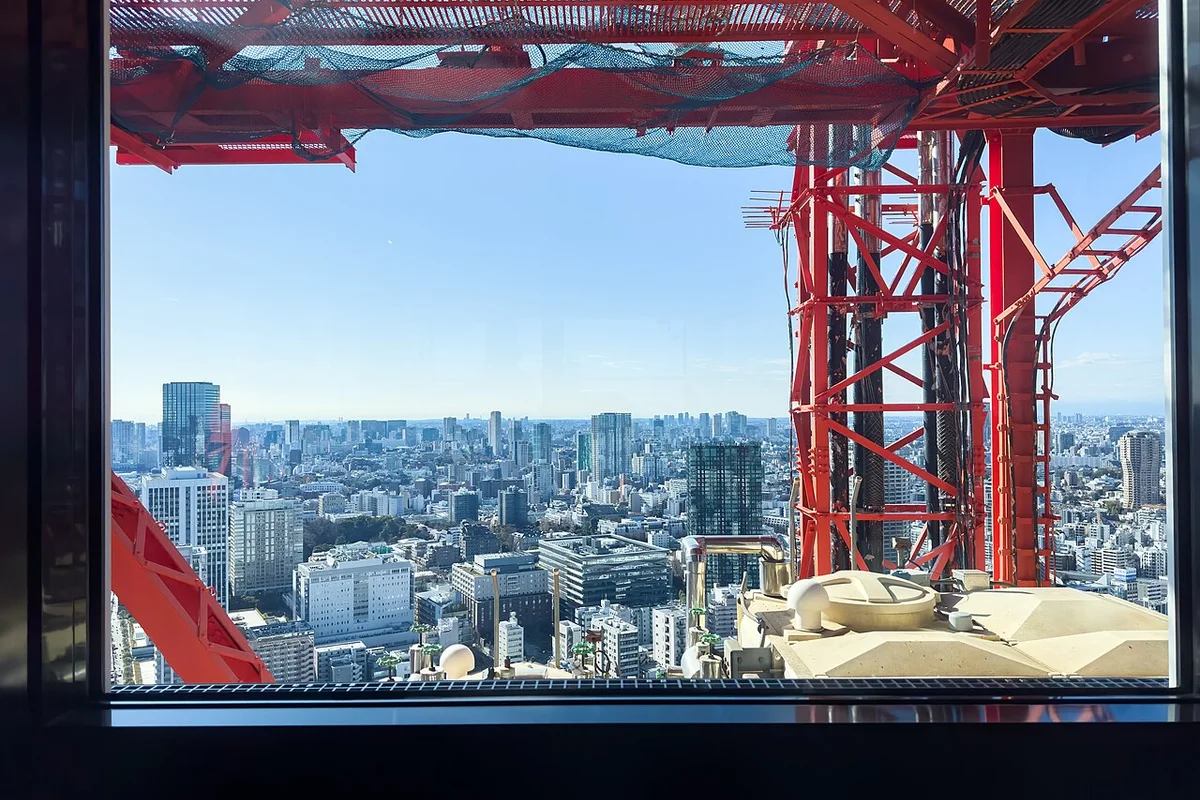
Start by deciding what you're actually there for, because the two gauges above are really describing two different products wearing one name. If the pull is the skyline rather than the show, the Main Deck alone may be all you need: one visitor who skipped the Top Deck entirely put it simply, "We were only on the maindeck but that was enough." Save the Top Deck Tour, or better, the full Diamond Tour with its lounge and sake tasting, for a day when you specifically want the staged, narrated version of the experience rather than a quick look at the view; booked in that frame of mind, the same production that frustrates rushed visitors becomes the point.
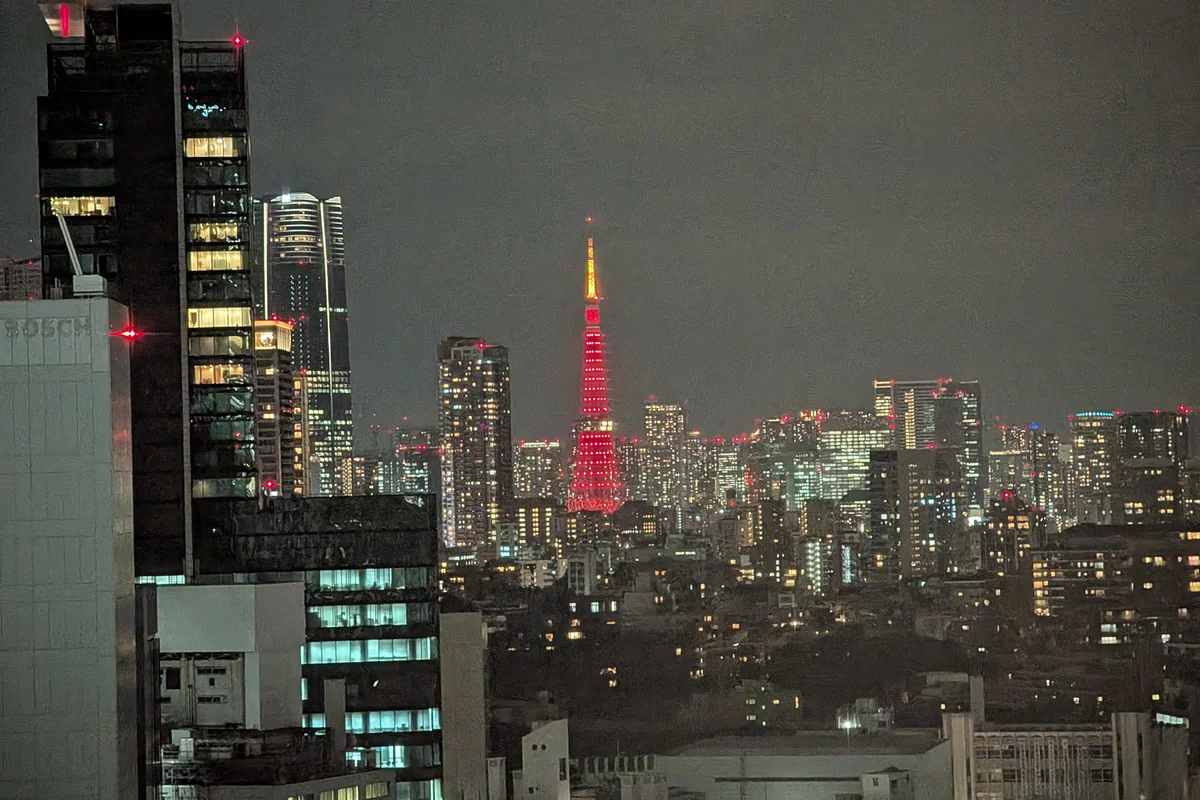
Aim for the transition from daylight into evening if you can. It's the single most repeated piece of advice across both gauges, foreign and Japanese alike, and it isn't sentimental: you get the hazy daytime skyline, the moment the lights start switching on below, and the tower's own orange light-up all in one visit without paying for two trips. If the interior window reflections bother you when you're trying to photograph the night view, one visitor's tip is worth passing on: the Main Deck's glass has noticeably fewer reflections than the higher, more enclosed Top Deck, so shoot from there if the photo matters more than the extra hundred meters.
Check the weather honestly before you commit a whole visit to the view. Fog and heavy cloud erase the payoff regardless of which ticket you buy: one visitor building up to a first-ever trip to the tower described climbing all the way to the top only to find the city gone in white. If the forecast looks doubtful, treat the day as a Foot Town and Zojo-ji visit instead, and save the observation deck for a clearer one.
Zojo-ji temple sits right next to the tower's base and costs nothing to walk through. Several of the reviews above mention stopping there on the way, and the old wooden temple gate framed against the tower's red steel is a striking pairing of old and new. And if you'd rather admire the tower than climb it, that's a legitimate way to visit it too. Several of the fondest reviews here, foreign and Japanese, came from people who never went up at all, just walked the grounds at dusk and watched the lights come on from below.
The Top Deck Tour is where the complaints concentrate most sharply, especially on the Japanese side, and it's fixable the moment you know to expect the show. Everything else, the climb, the view from inside the tower's own steel frame, the old temple next door, the sight of a decades-older landmark holding its own against a taller newcomer across the city, is what most of the people quoted on this page, local and visiting alike, came away glad they'd seen.
Where to buy: official site / Klook
Klook is an affiliate link: if you buy through it, we may earn a commission, at no extra cost to you.
Wondering whether to go up Tokyo Tower, Skytree, or both? Is Tokyo Skytree worth it? walks through the exact same trade-off from the other tower's side. And if you're still deciding which famous sights earn a slot on a short trip, start with what actually matters in Japan.
Sources
- Tokyo Tower official site, Fees / Business Hours (料金・営業時間): current adult prices and hours, retrieved 2026-09-17. Main Deck ¥1,500 (9:00 to 23:00, last entry 22:30); Top Deck Tour ¥3,300 online / ¥3,500 at the counter (9:00 to 22:45, last entry 22:15); Tokyo Diamond Tour ¥7,000. One reviewer's recollection of an earlier ¥1,600 Top Deck price (against the roughly ¥3,000 they paid on their more recent visit) is that visitor's own account of a past visit, not a current official figure.
- Tokyo Tower official site (English): opening hours and the Open-Air Stairs (Gaikaidan) walk-up schedule.
- Tokyo Tower official site, Company History (会社年表): 1958 opening as a broadcasting tower; the March 2018 relaunch of the former Special Observation Deck as the guided Top Deck Tour.
- Tokyo Skytree official site, Timeline (東京スカイツリーを知る): Skytree's February 29, 2012 completion, May 22, 2012 public opening, and 634m height, built as Tokyo's replacement broadcasting tower.
- Nikkei, "Tokyo Tower down to 315 meters, bent antenna replaced" (東京タワー、315メートルに 曲がったアンテナ交換): the antenna mast bent in the 2011 Tohoku earthquake and the tower's reduced height during 2012 repairs.
- The Asahi Shimbun, "Tokyo Tower resumes partial operation with bent tip" (頂上部分曲がったまま 東京タワー、一部営業再開): the antenna bent roughly five degrees and the tower's reopening after the March 2011 earthquake.
- Tokyo Tower official site, Tokyo Diamond Tour: departure times, private lounge, and included services for the ¥7,000 tour.
WMJS is written in Japan, in English, with AI help. We check every page, but English is not our first language. If a sentence reads oddly, tell us. One sentence is enough.
Thank you. A person reads every note.
How well do you know Japan?
Based on 51,218+ real Japanese voices
Want to know more? Ask Japanese people
Have a follow-up question about this topic? We'll ask real Japanese people.
Voice Box →