
Is Sakurajima Worth It? What Visitors and Locals Actually Say
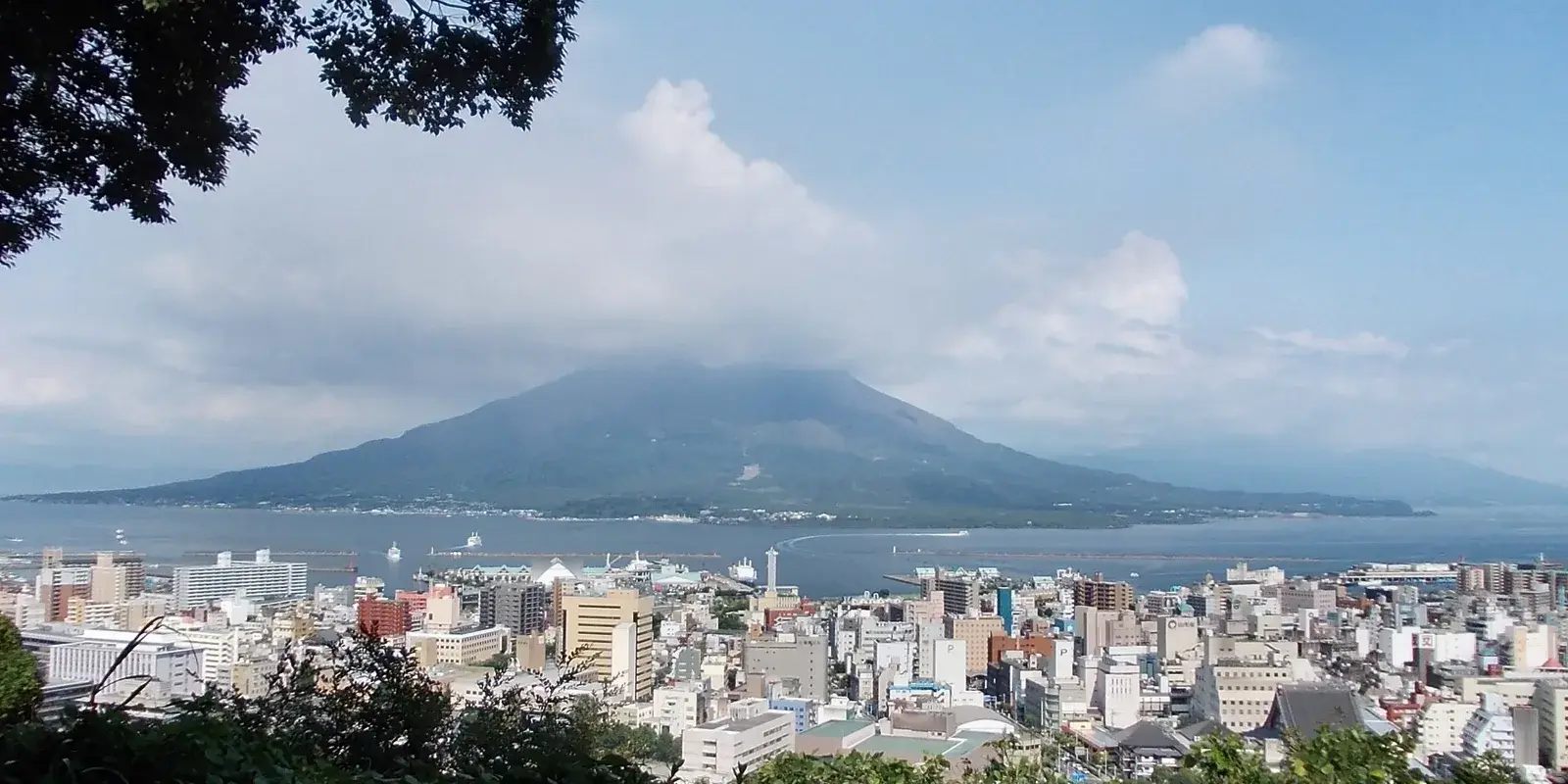
You cannot climb Sakurajima. The summit is closed, there is a no-entry zone within about two kilometres of the crater, and on a grey day the whole peak can disappear into cloud or its own drifting ash. So the real worry people carry to Kagoshima is a quiet one: if I cannot climb it, and might not even see it, is there anything to do here but look across the water at a mountain?
The people who actually went tend to answer the same way. You do not come to Sakurajima to conquer a peak. You come to spend a day beside a living one. You ride the little ferry toward it, walk the black lava it poured out in 1914, soak your feet in a free public foot bath at the edge of that flow, and stand at the closest deck a visitor can reach while the summit smokes overhead. Get the weather on your side and let go of the idea that you have to reach a top, and almost everyone is glad they crossed.
Is it worth the crossing? (in visitors' own words)
We gathered the voices of international travellers who have taken the ferry over, and read them with one question in mind: was it worth it? Weighted by how strongly each one resonated with other readers, here is how they fell:
The green band is mostly people who took the crossing and were won over. One traveller, weighing it up beforehand, reported back afterwards: "Had been wondering if the ferry over to Sakurajima was worth it - sounds like a resounding yes." Another put the whole prefecture in one line: "Kagoshima is seriously underrated." The ones who rented a bicycle sound the happiest of all: "I loved cycling around there. It smells like the volcano and the beaches are black due to the volcanic sand."
That fat "depends" band in the middle is the honest part, and it says one thing louder than the rest: the weather is the lottery, and the mountain you cannot climb is the given. "Riding the ferry never gets old, we did it every day over 3 days," one visitor wrote, before the catch: "It was cloudy and almost raining the whole time we were there so we never got to see the full volcano which is a little sad." Another, on the summit question that sends so many people looking: "You can't get that close to the summit ... so I don't think it would be super satisfying for an advanced-level climber/hiker, but for my novice ass it was quite comfortable." And the thin red slice is real too, usually a rushed visitor who bet the day on one viewpoint: "I visited the observation deck on Sakurajima and wasn't impressed and we had a car."
How the people who live beside it feel
Here is the layer most guides skip: what Japanese visitors say, in their own reviews, about the same volcano. It is a warmer register, and a more matter-of-fact one.
Look at the two red bars side by side, because that comparison is the most useful thing on this page. The Japanese "let down" sliver is even thinner than the visitors', and the "depends" band shrinks from 39% to 17%. The gap has nothing to do with Sakurajima treating locals better. Japanese visitors simply arrive already knowing what it is. Nobody drives out expecting to summit an erupting volcano, so nobody comes home let down that they couldn't. One reviewer says the quiet part out loud: "Rather than crossing over to see it up close, some things are better seen from a distance. ... I'd say taking in the whole thing from afar is fine too." The worry a first-time foreign visitor spends days on, the locals resolved before they left the house.
What is left, once that expectation gap closes, is appreciation. "The volcano looms right before your eyes," one writes of the highest deck a visitor can reach. Another, who had fretted over the logistics that stop so many people short: "I'd worried there'd be no way to get around once you cross over, but the ferry runs every 20 minutes, and at the foot bath and the Visitor Center they let you see the materials for free ... I'm glad I went." Their hard days are the same weather days the visitors describe: "Well, a letdown. It was pure white. ... it was covered in pure white fog. On a clear day you'd see the majestic volcano up close." Same lottery, both languages.
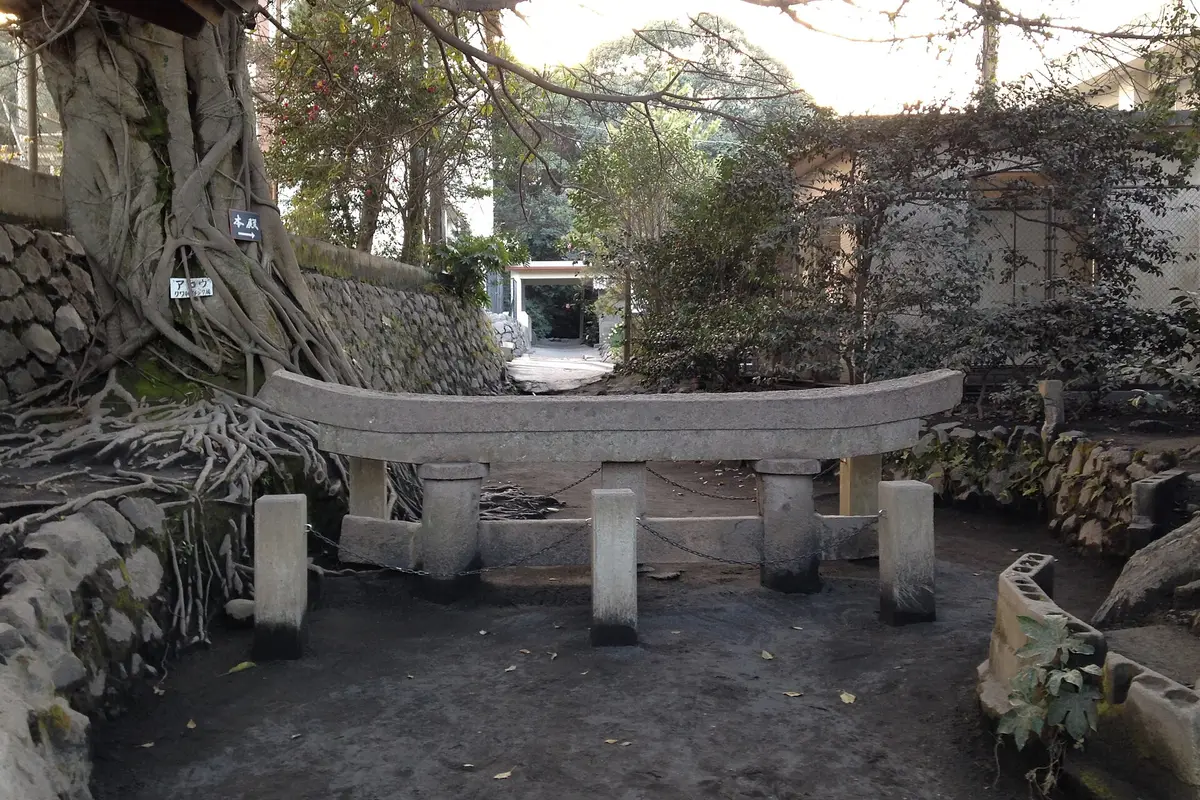
And there is one stop the reviews return to with something closer to awe. At Kurokami, a stone shrine gateway was buried up to its neck by ashfall in a single day in 1914 and left there on purpose. "The Kurokami buried torii is a disaster relic of the great 1914 eruption," one writes; "in the hamlet where the shrine stood, 197 of its 246 households were lost." People read it, and stay anyway. That is the mountain and the town in one small monument.
What we'd want you to notice
The weather is the whole gamble here; the mountain is the sure thing. On both gauges, the middle band is really one worry wearing two hats: cloud, fog, or yellow dust can flatten the view on any given afternoon. Sakurajima is only fully clear on a minority of days, and the odds are best on winter mornings, when the ash tends to blow away from the city rather than over it. A live webcam or forecast the night before is worth more than any tip on this page.
Getting up close is the whole design. The summit and the ground within about two kilometres of the crater have been off-limits since a fatal eruption in 1955. Every place a visitor can actually go sits more than two and a half kilometres out, watched constantly and kept at an official alert level. That constant watch is exactly why standing near an erupting volcano here feels calm and unremarkable to the people who do it every day. If getting right up to a crater rim is the itch, Mount Aso in Kumamoto sometimes lets you do exactly that when its own alert level drops, a different bargain with the same kind of mountain.
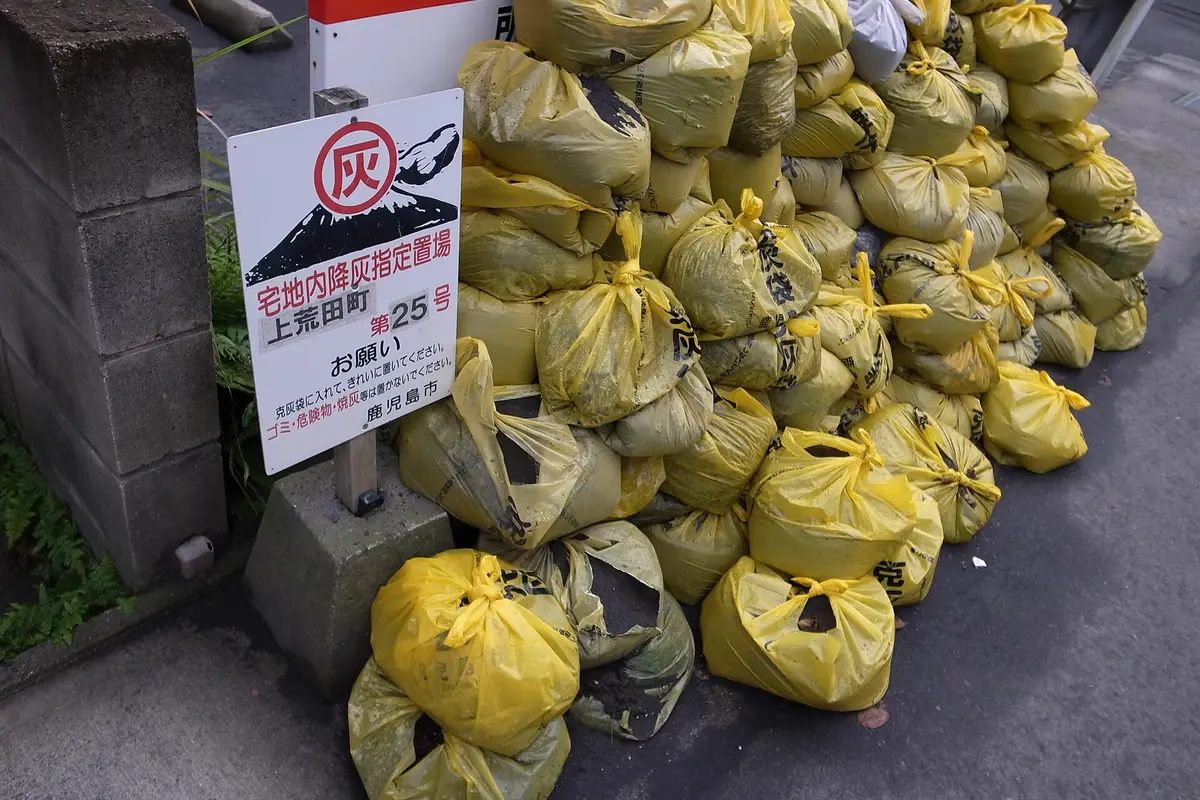
The reward is watching a city live its ordinary mornings under a smoking peak. About six hundred thousand people here sweep ash into plain yellow bags the way another town puts out recycling, and the same volcanic ground grows what the prefecture calls the world's largest radish and its smallest mandarin orange. For a day, you get to stand close to all of it, and watch people living gracefully beside the raw power of the earth.
Doing it well: the welcomed way
Everything above turns into a short list of moves the day quietly rewards.
- Check the volcano before you commit the day. A live camera or visibility forecast the night before tells you whether the peak will show. Winter mornings carry the best odds; if the forecast is grim, plan the trip around the things that stand in any weather.
- Give it the whole loop rather than a rushed hour. The ferry crossing takes about 15 minutes and runs frequently through the day and into the evening (the old round-the-clock sailings ended in October 2025). On the island, pair the Yunohira Observatory (the closest deck you can reach) with the Nagisa lava walk and its free foot bath, and the Visitor Center. Rent a bicycle if you have the legs, or take the Island View loop bus, keeping in mind its stops are short, so build in time if you want to linger.
- Start from the town side. The free Shiroyama Observatory, a short walk behind downtown, fits the whole city-and-volcano relationship into one frame, a gentle way to begin before you cross.
- Have a rainy-day plan that is just as good. If the cloud wins, the black lava fields, the foot bath, the Kurokami buried torii, and the Shimazu family's Sengan-en garden across the bay all reward a grey day on their own terms.
- On an ashy day, pack for it. A simple mask and some care with camera gear, since the ash is fine and abrasive, and the day goes on as normal.
Do these, and the day tends to land the way the glad reviewers describe rather than the way the disappointed ones do. Sakurajima does not ask you to climb it or to catch it on a perfect day. It asks you to cross a narrow stretch of water and spend a few unhurried hours next to something genuinely alive.
What the voices add up to, then. Travellers who need a summit to bag or a guaranteed blue-sky photo tend to leave happier elsewhere. But if you can take the crossing on its own terms, a fifteen-minute ferry drops you at the foot of one of the most active volcanoes on earth, where a whole city has quietly made its peace with the ground, and lets you join them for a day.
Still deciding which famous places actually earn a slot on a short trip? Start with what actually matters in Japan. And for the deeper story of how Kagoshima learned to live with its volcano, from the ferry to the ash bags to the garden built around the peak, the Sakurajima audio guide is just below.
Sources
- Japan Meteorological Agency: Sakurajima volcano: the 1,117 m active volcano; no-entry zone within about 2 km of the crater; the 1914 lava that joined the island to the Osumi Peninsula.
- Japan Meteorological Agency: current volcanic alert levels: the official, constantly monitored alert level that governs where visitors may go.
- Sakurajima Visitor Center: "people live together with the volcano"; about 3,500 residents on the island; eruptions as part of daily life; the volcano's crops as its "gifts."
- Sakurajima Ferry (Kagoshima City): timetable and ~15-minute crossing: the frequent crossing between the city and the foot of the mountain, running through the day and into the evening (round-the-clock service ended 1 October 2025).
- Sakurajima tourism: Kurokami buried torii: the 3 m gate buried to about 1 m in a single day in 1914 and deliberately left in place.
- Sakurajima tourism: Nagisa lava walk and foot bath: the roughly 3 km walk across the 1914 flow, with a free public foot bath.
- Kagoshima Prefecture: Sakurajima radish and Sakurajima small mandarin: the volcanic soil that grows the world's largest radish and its smallest mandarin.
- JNTO: Sakurajima: one of Japan's most active volcanoes, about 4 km from the city; the Yunohira Observatory and Island View bus.
- Visit Kagoshima City: Shiroyama Observatory: the free 107 m deck that frames the city, the bay, and Sakurajima in one view.
WMJS is written in Japan, in English, with AI help. We check every page, but English is not our first language. If a sentence reads oddly, tell us. One sentence is enough.
Thank you. A person reads every note.
How well do you know Japan?
Based on 51,218+ real Japanese voices
Want to know more? Ask Japanese people
Have a follow-up question about this topic? We'll ask real Japanese people.
Voice Box →