
Is Kamakura Worth It? Travelers Remember the Seaside Town; Japanese Reviewers, the Buddha Up Close
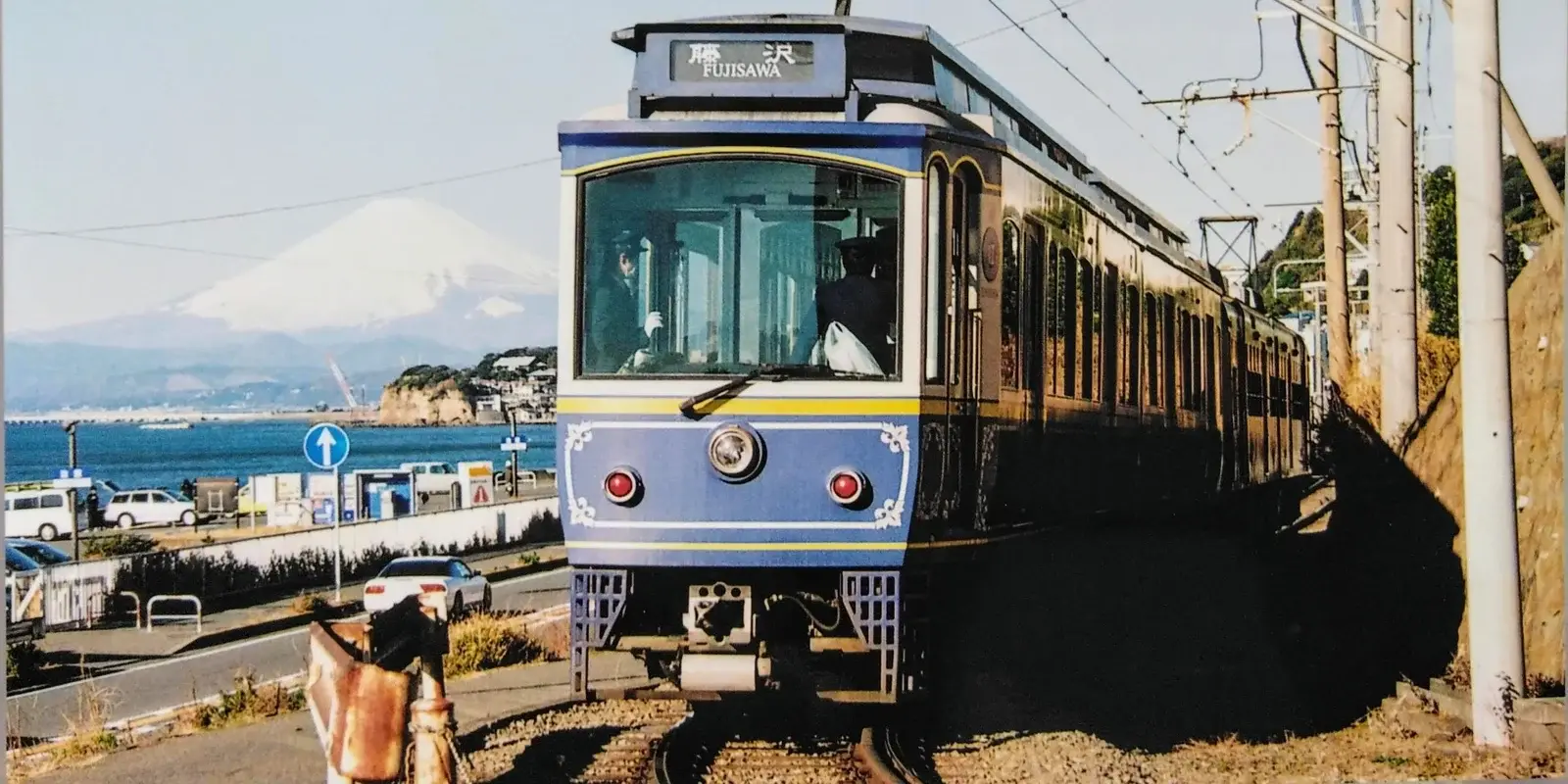
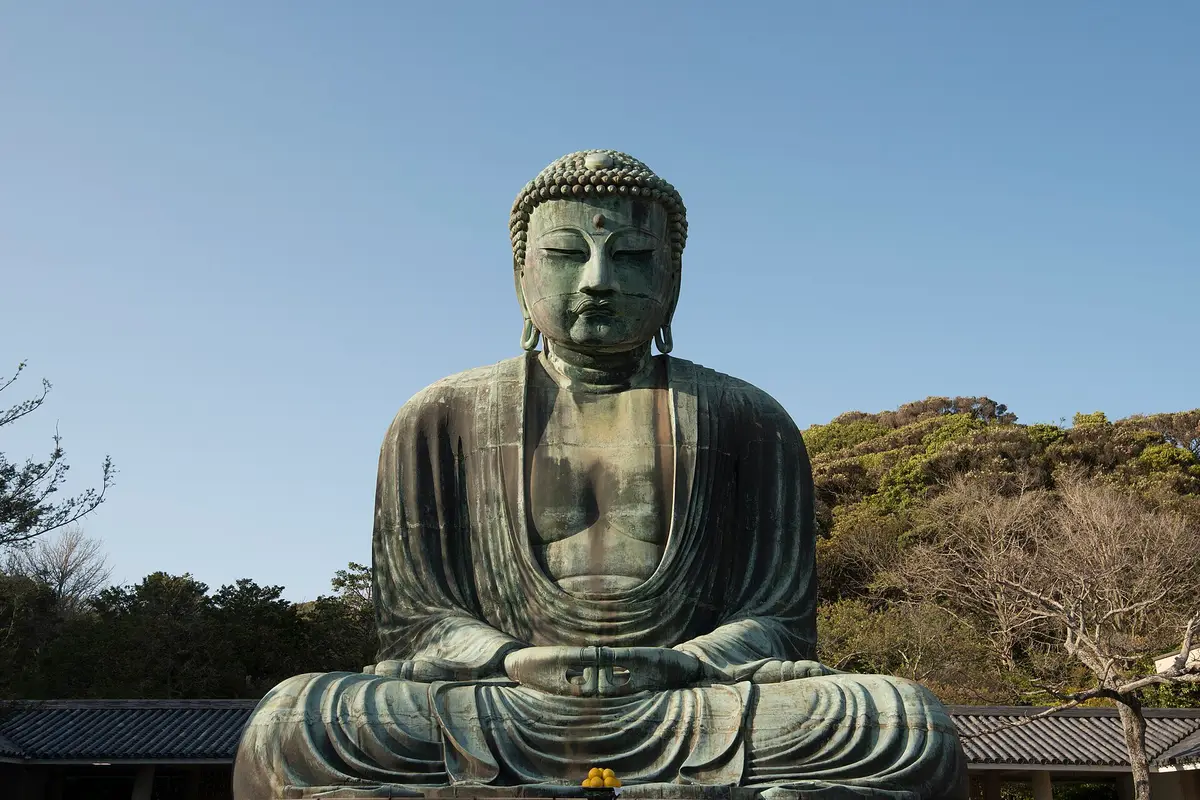
You have probably seen the photo of the bronze Great Buddha sitting under an open sky, and you may be planning a whole day trip around standing in front of it. Kamakura is less than an hour south of Tokyo by train, and from Hase Station on the Enoden line the Buddha is roughly a ten-minute walk.
Going by the voices we gathered, Kamakura is worth it. The international travelers who loved it mostly describe the town around the statue: temples, the beach, cafés, and often the island of Enoshima. The Japanese reviews are of the Great Buddha itself, so they cover what the photo leaves out: how it feels to stand close to it, and to step inside it.
Is it worth the trip? (in visitors' own words)
We gathered the voices of international travelers on Reddit and read each one with a single question in mind: was it worth it? Counting each voice once, here is how they fell:
Only 29 of the 129 voices that called it worth it mention the Great Buddha at all. Far more talk about the rest of the day: 47 of those 129 name temples or shrines, 46 mention Enoshima, and 35 bring up the beach or the sea. "I loved Kamakura. It's got the forest, the seaside, the cute cafés, giant birds that steal your food, more temples than you can shake a stick at," one wrote. Another described the change from the capital: "It's a complete 180 from Tokyo - very beachy, calm, less busy, less hustle."
The same traveler added that "the giant buddha was incredible." Of the 29 who mention the statue, nine praise it, five are cool on it, and the rest list it in passing. One of those five called it "one of the least memorable things about Kamakura" and pointed instead to Hase-dera, Meigetsu-in in hydrangea season, the hiking trails and Enoshima.
The red bar is nine voices, and their reasons differ. Three felt Kamakura had been overhyped, two of them by TikTok: "Place would probably be 8/10 but tiktok overhyped it, making the trip felt like it was OK only." Two ran into crowds, one of them in August: "It was so crazy crowded that it was my worst day from the whole trip." Two would send you elsewhere, one to Kyoto and one to the Tama River in Tokyo; one found litter on the beach; and one simply didn't care for the place. Only one of the nine describes a trip built around the statue alone: "I only went there for the big Buddha (which took less than half a day)."
The 39 voices in the middle are mixed. Four say it depends on how many days you have in Tokyo, and six of the 39, from five travelers, say Kamakura needs a full day: "Kamakura sites are more spread out. So if you don't dedicate a day to it, you won't see much other than the Buddha and the shopping street." Others in the middle write about weekend crowds on the Enoden and about the seasons, including the hydrangeas in June.
How Japanese visitors feel
Japanese visitors write their own reviews of the same Great Buddha on Japanese travel sites. Because they are reviewing Kotoku-in, the temple it belongs to, they write about the statue far more than about the town.
"When it comes to Kamakura, you go and greet the Great Buddha. Simply overwhelming. I think that one phrase says it all," one reviewer wrote. Thirteen of the 89 reviews write about its face, five of them calling it gentle or calm: "With that gentle face, it was welcoming visitors from many countries," another wrote. A reviewer who saw it when young and keeps coming back wrote, "The sight of it sitting at ease under the blue sky moves me no matter how many times I see it."
Ten reviews compare its size with what the writer expected or remembered. Eight found it bigger (two are by the same reviewer), and two found it smaller. The reviewer who wrote twice put it this way: "I went once more than twenty years ago, and it felt bigger than it did then." Another, who remembered it as enormous, found it "somehow a size smaller" and decided that "people's memories are vague things." Three more compare it with the larger Great Buddha of Nara. One of them had been told she would be surprised by how small it was, and wrote instead that "its presence was outstanding."
Seven reviews make up the red bar. Two are about crowds; one reviewer found the grounds packed with school-trip students and other visitors, "so crowded it was hard going, and I left fairly quickly," and gave up on going inside. Two found little else to see once they had seen the statue: "Compared with other temples, it felt like there was nothing to see besides the Great Buddha. There isn't a main hall or worship hall (is there?), so it was over in an instant." One visitor, on a second try, still couldn't get inside it, and two were upset by the security guards' manner. Reviews in the middle bar say some of the same things more gently: four other reviews say the temple is the Buddha and little else, and 13 mention crowds or the traffic on the way in.
What we wish you'd noticed
The Great Buddha was not made to sit outdoors. Construction began in 1252, and the statue was first enshrined inside a hall, the Daibutsu-den. Old records say typhoons in 1334 and 1369 and a severe earthquake in 1498 damaged and finally destroyed that hall, and the Buddha has sat in the open ever since. Kotoku-in notes that this makes it unusual among Japan's large Buddhas, and that although it is smaller than the Great Buddha of Nara it keeps its original form. One Japanese reviewer, in his eighties, tried to picture it under a roof: "it must have made a very grand scene." Another noticed the flat stones set evenly across the grounds and learned that they had once been the hall's supports.
The photo also can't show that the statue is hollow, and that for 50 yen on top of the 300-yen admission you can climb inside the bronze. Only one of the 177 international voices mentions going in, and that traveler found it fun. Of the 89 Japanese reviews, 41 mention the interior and 13 describe going in. "This time I went inside for the first time, and I received 'something,'" one wrote. Another found that "while you're inside, it doesn't feel at all like being inside the Great Buddha," and that it only sank in after stepping back out. The space is small and dark, one reviewer warns, and two others describe climbing narrow stairs.
Twelve of those 41 didn't get inside: seven during the COVID-19 closure, two because of the crowds or the line, one on both of two visits, one on a very hot day, and one who chose a temple stamp instead. The temple lists the interior as open all year, though three reviewers note that it can close on very hot summer days.
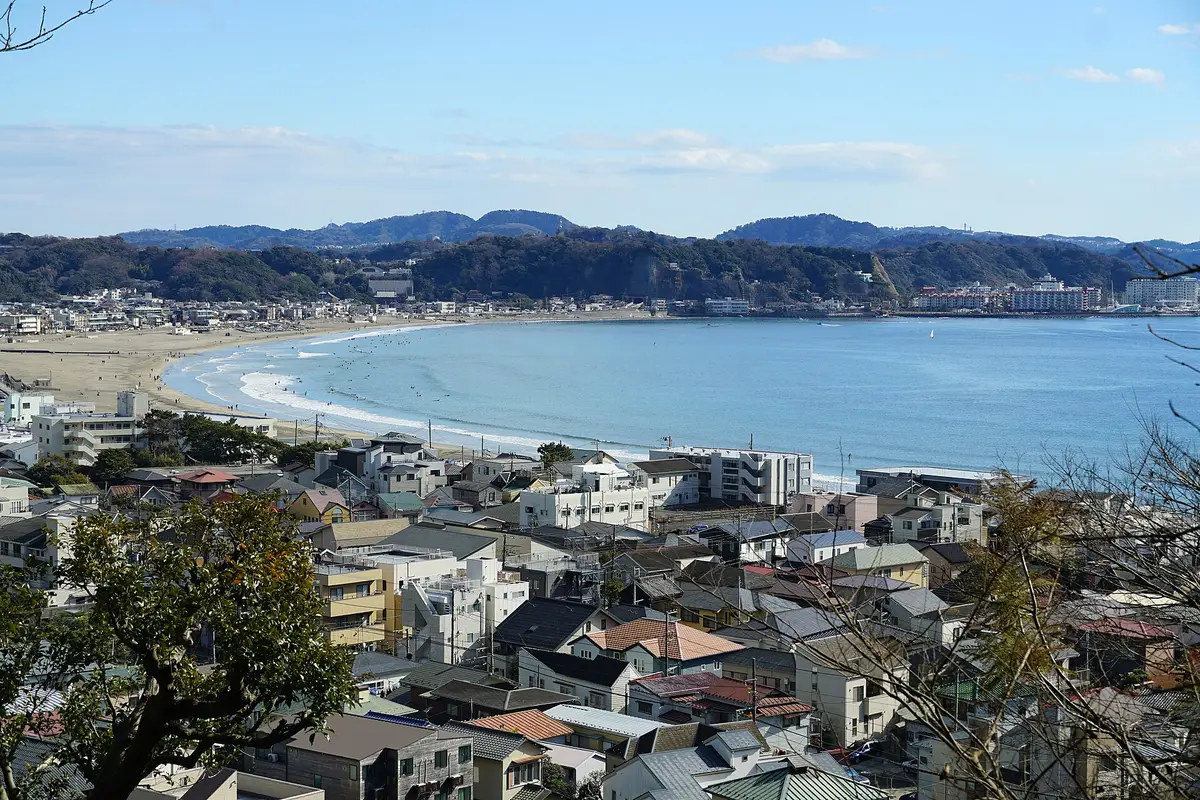
The international travelers, meanwhile, spent their day in the town. Fourteen of the 129 voices that called Kamakura worth it name Hase-dera, about five minutes' walk from the Buddha; three praise its views and one its June hydrangeas. Hokoku-ji has a small bamboo grove where you can sit with a bowl of matcha, "a nice little compromise" for one traveler who skipped Kyoto's Arashiyama. Yuigahama, the beach below the town, became the first beach in Asia to earn a Blue Flag, in 2016. Two travelers who went on to Enoshima saw Mount Fuji from the island, and three more say you can see it there on a clear day or at sunset.
Visiting Kamakura the Welcomed Way
Fourteen travelers say Kamakura deserves a full day or more, some of them counting Enoshima in that day, and seven of them loved it and wished they had stayed longer: "Was only there for a day and I WISHED I was there for at least 2, or even 3." Four others say half a day was enough or still worth it, one of them while still recommending a full day if you can. Adding Enoshima is where travelers split. One did Enoshima, Kamakura and Yokohama in a single day and called it "almost the best day of our whole trip"; another wrote, "Honestly doing Kamakura AND Enoshima is more than a day trip."
Two Japanese reviewers who went early had room to take their time, and one who came twenty minutes before closing had the grounds nearly to herself. Another went in before 10 a.m. on a Sunday in late June, when it wasn't very crowded, and "by the time I left around 10:30, people were already lining up from the ticket window at the entrance." Early is not always quiet, though: one reviewer who came early watched tour groups arrive one after another. On the Enoden, one traveler found the train "super busy from mid morning onwards, so earlier the better if you want to ride it and actually enjoy the experience," and another warns that on weekdays it gets hectic when school lets out. Before you set out, you can check Kamakura City's live crowd map for Hase, Komachi-dori (the main shopping street), Kita-Kamakura and Yuigahama.
One traveler got off at Kita-Kamakura, walked into town visiting temples along the way, lingered at Kencho-ji, and "didn't even get inside the temple with the buddha statue, as it was after 4PM." Kotoku-in's grounds are open until 5:30 p.m. from April to September and 5:00 p.m. from October to March, with last entry 15 minutes before closing, and the interior closes at 4:30 p.m.
Kotoku-in does not allow food or cup drinks on its grounds, so finish your snack before the gate; you can still carry a capped bottle of water for the heat. There are no trash bins inside, so carry your trash out. Four travelers write about birds snatching food; on the beach, a hawk took a sandwich straight out of one traveler's hand.
So, is Kamakura worth it? Of 177 voices from international travelers, 73% describe it as worth it, and what they remember is mostly the rest of the day: temples and shrines, Enoshima, and the beach. The 89 Japanese reviews stay with the Buddha itself: its size up close, its face, and going inside it for 50 yen. Fourteen travelers would give the town a full day, and three Japanese reviewers who came early or near closing had room to linger.
Still deciding which famous places actually earn a slot on a short trip? Start with what actually matters in Japan, and to plan a day around Tsurugaoka Hachimangu, the Enoden, the open-air Buddha and the sea, the Kamakura audio guide is just below.
Sources
- Kotoku-in Official: About the Great Buddha: construction begun in 1252 according to the Azumakagami, with the sculptor unidentified; the Daibutsu-den hall damaged and destroyed by typhoons in 1334 and 1369 and a severe earthquake in 1498; the open-air setting that makes it unusual among Japan's large Buddhas; smaller than the Great Buddha of Nara but in its original form; a National Treasure.
- Kotoku-in Official: Characteristics of the Statue: the statue's measurements, a height of about 11.3 m and a weight of about 121 tonnes.
- Kotoku-in Official: Visitor Information: opening hours of 8:00 a.m. to 5:30 p.m. (April to September) and 5:00 p.m. (October to March), general admission of 300 yen, an additional 50 yen for the interior of the statue (8:00 a.m. to 4:30 p.m.), last entry 15 minutes before closing, and Hase-dera about five minutes' walk away.
- Kotoku-in Official: FAQ: interior viewing all year; no eating or drinking on the temple grounds except sealed water bottles, no cup drinks, and no trash bins inside.
- Enoden (Enoshima Electric Railway) Official: Hase Station: Kotoku-in (the Great Buddha) about a ten-minute walk from Hase Station.
- JNTO: Kamakura and Around: Kamakura less than an hour south of Tokyo by train, its temples, and tea in the bamboo grove at Hokoku-ji.
- Kamakura City: Beaches and the Yuigahama Blue Flag (Japanese): Yuigahama's Blue Flag certification in 2016, the first in Asia, held every year since.
- Kamakura City: Kamakura Sightseeing Crowd Map (Japanese): the city's live crowd map for Komachi-dori, Hase, Kita-Kamakura, Yuigahama and other areas.
WMJS is written in Japan, in English, with AI help. We check every page, but English is not our first language. If a sentence reads oddly, tell us. One sentence is enough.
Thank you. A person reads every note.
How well do you know Japan?
Based on 51,218+ real Japanese voices
Want to know more? Ask Japanese people
Have a follow-up question about this topic? We'll ask real Japanese people.
Voice Box →