
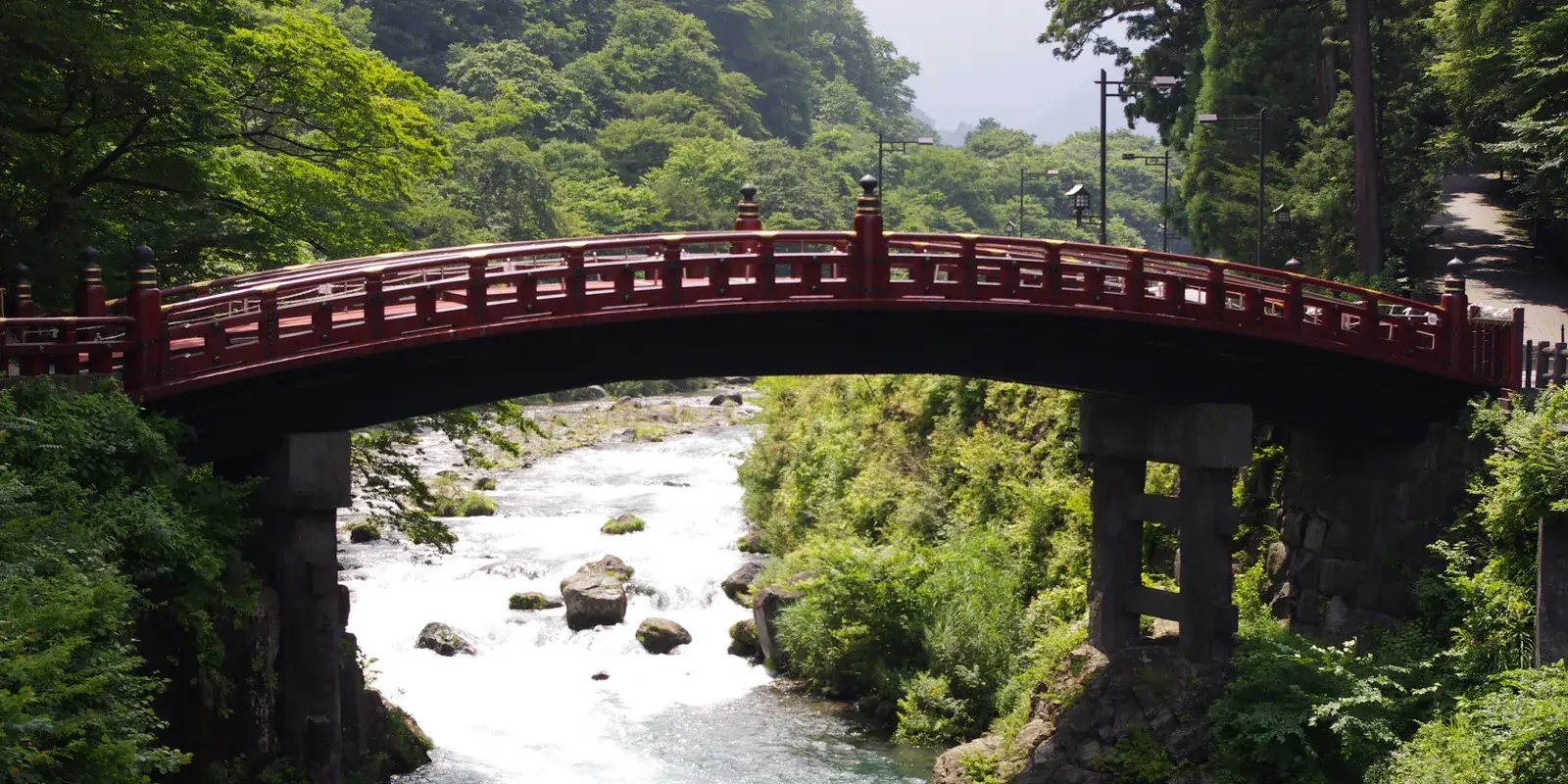
Is Nikko Worth It? The Real Question Is "Which Nikko?"
Nikko sits about two hours north of Tokyo, and the same worry trails almost everyone who weighs the trip: is it worth a whole day to get there and back? Read around and you'll find people who call it the most beautiful place they saw in Japan, and a few threads later, people who call it the worst day of their entire trip. Both are telling the truth. They just went to different versions of the same mountain.
Here is what the travelers who have actually been keep saying, and everything below unpacks it in detail: almost no one regrets the shrines. What they regret is the trip they built around them. That part is entirely in your hands.
Was it worth the trip? (in visitors' own words)
We gathered the voices of international travelers talking about Nikko and asked, in effect, was it worth it? Counting each voice once, here is how they fell:
Look at the red sliver first, because it is the most useful thing here. Of the 19 let-down voices, 9 describe crowds and traffic, mostly on autumn weekends and holidays, and 5 of those come from one thread about the same autumn holiday weekend: the same trip, up to the mountains beyond the shrines (Lake Chuzenji, Kegon Falls, the Senjogahara marsh), where the mountain road turned into a parking lot. "At least I went to Nikko and saw the beautiful mountains from a distance," wrote the traveler behind the most-upvoted disappointment we collected, "but in reality, it was a wasteful day." Another voice in that thread, from the middle bar rather than the red, put it plainly: "I did a day trip to Nikko when it wasn't even that busy, and mid week, and it was still a mess. Don't even bother day tripping it unless you take the earliest (7am) train." Of the other let-down voices, 4 found Nikko too far for a day trip from Tokyo, 4 were let down by the place itself (a run-down town, concrete around the falls, temples that felt alike, paying at every shrine and temple), and 2 give no reason.
Now read the green. The travelers who loved Nikko tend to have done the opposite: they kept it slow, or stayed over. "I was just in Nikko about a week and a half ago and loved it. I only went for one day so I didn't bother with the falls. It was packed, but if you start early enough and adjust your expectations, it's okay." "The World Heritage Sites alone make for a day trip." "Nikko Toshogu is one of the most gorgeous temples in all of Japan." And the line that runs through the whole "depends" middle: "Nikko is worth it; one of my favourite places I visited. … That said I stayed two nights and I have no idea how day trippers go with actually enjoying seeing anything. It must be super rushed."
So the real question was never whether Nikko is worth it, but which Nikko you attempt.
The two Nikkos
There are, in practice, two trips wearing one name.
The first is the World Heritage shrine complex, Toshogu and its neighbors: the gilded gate, the Three Monkeys, the cedar forest, the climb to the shogun's tomb. This one is dependable. It is close to the station, it rewards an early start, and of the 19 let-down voices, only 4 fault the place itself rather than the trip.
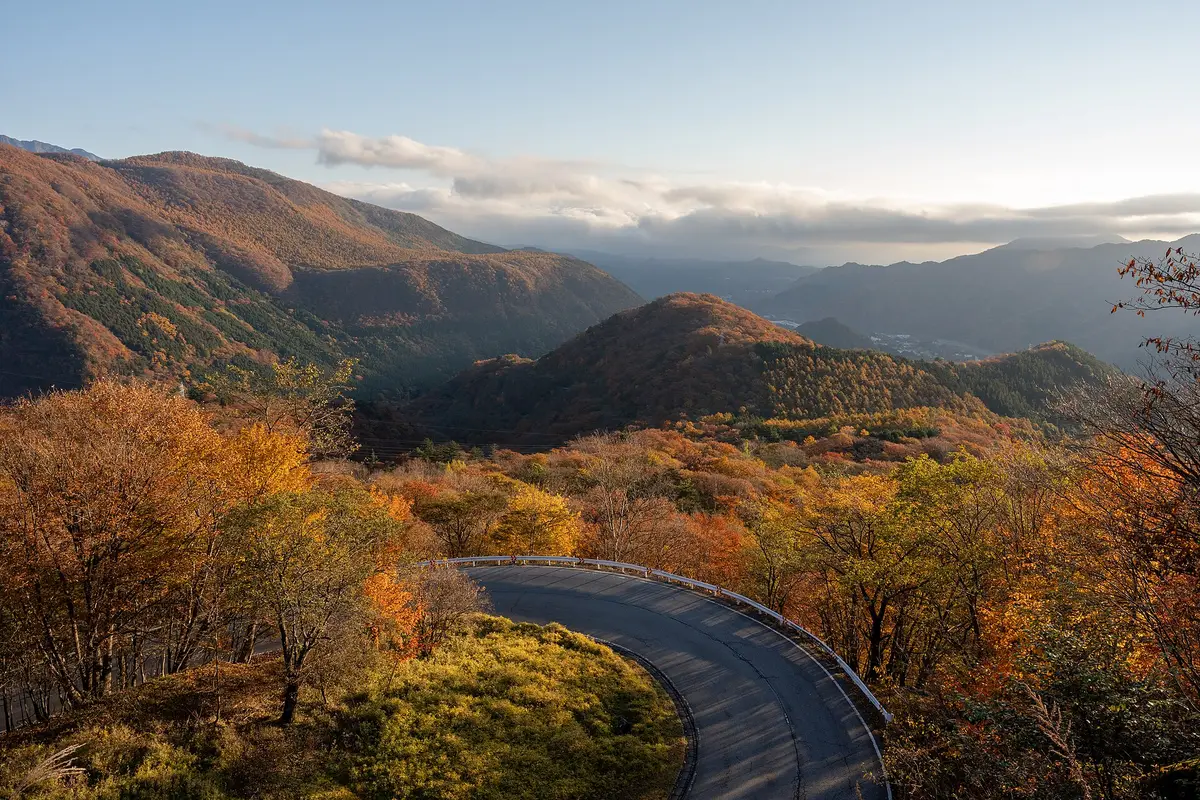
The second is the mountains above: the lake, the waterfall, and the hairpin road called the Irohazaka with its 48 turns. This one is gorgeous and, on the wrong day, a trap: the buses crawl, and in peak foliage season a single afternoon can vanish in traffic. It is a wonderful trip. It is just a separate one, and the people who try to bolt it onto the shrines in one rushed day are the ones writing the disaster stories.
How the people who grew up with it feel
Here's the layer most guides skip: what Japanese visitors say, in their own reviews of the same shrines and temples.
Notice that both red bars are short: 8% against 11%. The disappointment isn't a foreign misunderstanding or a local secret, and the complaint named most often is the same on both sides: the crowds. Of the 26 Japanese reviews that stop short of praise, 12 are about crowds, queues, parking or a place grown too touristy, and much of that is avoidable: the holiday timing, the long ticket line. "I went on the afternoon of a three-day weekend, and the precincts were terribly crowded. Buy an electronic ticket in advance and go early in the morning," one writes. "Next time I'll go on a weekday," writes another, after finding the famous Crying Dragon hall louder and less solemn than she remembered. The rest of the small Japanese red bar is about people more than places: 3 of its 7 reviews describe brusque handling at a ticket window or a shrine counter.
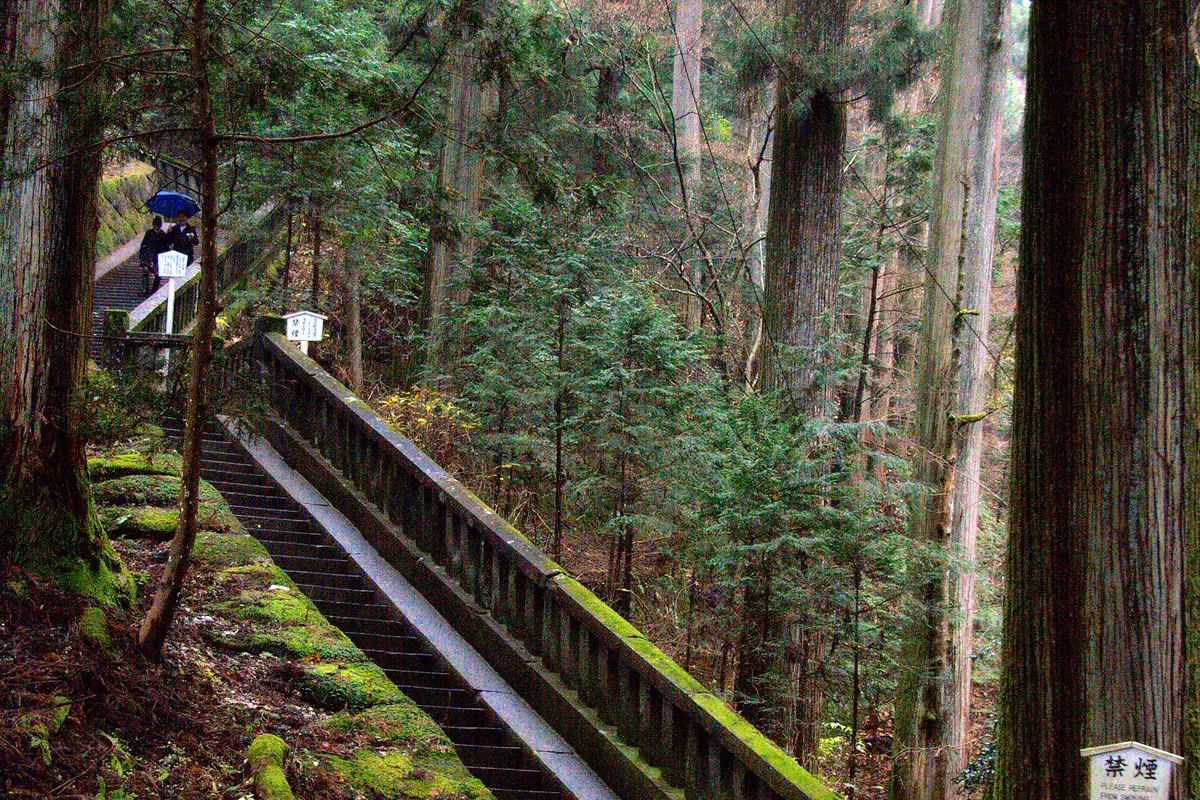
But the warmth is the dominant note here too, and it carries a piece of honesty the photos hide: the climb. Nikko is built up a mountainside on steep stone stairs. "There are many steep stairs, so it would be hard once you're older," one visitor in their sixties wrote, and then, in the same breath, the line this whole page is about: "I made it up with great effort, and I'm glad I didn't give up partway. It's a place where you learn a lot by climbing." Treasured, and worth the climb. Wear the shoes you'd hike in.
What we wish you'd known
It is supposed to look "too much." Nikko's blaze of gold and carving surprises even Japanese visitors: one reviewer found the main hall of the neighboring Taiyuin glittering with gold and flashy, and another, startled by the white pillars of the restored Yomeimon gate, felt the place was very different from Nara and Kyoto. It hasn't lost its way; it was built like this on purpose. Toshogu is the mausoleum of a warlord who was turned into a god, and the gold is the highest honor a nation knew how to pay. The full story of why a country covered a forest in gold for one man is in our Nikko guide, just below. Knowing it before you go quietly turns the gold from gaudy into moving.
The scaffolding is care rather than decay. Some part of Nikko is almost always under restoration: the Yomeimon gate alone came out of a four-year project that re-applied around 240,000 sheets of gold leaf. A netted-over view is a small letdown in the moment, but it's the reason a 400-year-old shrine still blazes at all.
The mountains run on their own clock. If the lake and the waterfall are your real goal, give them their own day, and ideally a night up at Chuzenji. Trying to catch both Nikkos between two trains is the single most common way the day goes wrong.
Getting Nikko Right
The voices, foreign and Japanese, converge on the same short list:
- Pick your Nikko before you go. The shrines-and-forest as an unhurried day trip, or the mountains as an overnight. Choosing both on one rushed day is the disaster recipe.
- Go early, and buy your ticket in advance. The grounds open at 9:00 and the first hour is the calmest by far; the day-of ticket line can run close to an hour. Arriving early and buying the ticket online in advance are the two tips Japanese reviewers give most (11 and 6 of the 89 reviews).
- Avoid autumn weekends and public holidays if the mountains are on your list: that's exactly when the Irohazaka road jams. The shrines themselves are wonderful, and quieter, on a weekday, though school trips fill them on some weekdays too; and one traveler who went on a cold, rainy Wednesday in February found very few people there and called it one of the best things they did in Japan.
- Mind the seasons. Nikko's famous foliage turns by elevation: the high mountains around the lake from mid-October, the shrines themselves only in early-to-mid November. Arrive in bare winter expecting autumn color and you'll be the one who "didn't rate it." (More on timing your visit.)
- Wear shoes for the climb. The stone stairs to the inner shrine thin the crowds and reward the effort.
Do these, and Nikko tends to go the way the heart-struck reviewers describe rather than the way the stranded ones do. The shrines were never the gamble; the day around them is. And that day is yours to design.
Still deciding which famous places actually earn a slot on a short trip? Start with what actually matters in Japan, and for the full story of the shogun-turned-god, the Three Monkeys, and the climb to the tomb, the Nikko audio guide is just below.
Sources
- Nikko Toshogu Shrine Official Website: the shrine as the mausoleum of Tokugawa Ieyasu, deified in 1617; the 1636 rebuild of the present main buildings by the third shogun, Iemitsu.
- Nikko Toshogu Official: Admission & Hours: opening from 9:00; seasonal hours and admission.
- Cabinet Office, Government of Japan, Highlighting Japan: Nikko Toshogu: the 508 carvings of the Yomeimon, the 1999 World Heritage inscription, the 21 major and minor repairs since construction, and the 2013–2017 restoration that re-applied roughly 240,000 sheets of gold leaf.
- UNESCO World Heritage Centre: Shrines and Temples of Nikko: 1999 inscription; 103 religious buildings making up two shrines and one temple.
- JNTO: Nikko (National Parks of Japan): access from Tokyo by JR and Tobu, and travel times of roughly two hours.
- Nikko City Tourism Association: Visit Nikko: the World Heritage shrines and temples (Toshogu, Futarasan-jinja, Rinnoji), and Okunikko's Lake Chuzenji, Kegon Falls and Senjogahara marshland.
- Nikko City Tourism Association: Irohazaka Slope: the 48 sharp curves linking Nikko to Okunikko; autumn color especially from mid-October to early November, with traffic congestion in that period.
- Nikko City Tourism Association: Autumn Leaves Status (Japanese): foliage that turns by elevation from early September to late November; expected peaks of mid-October to early November at Lake Chuzenji, Kegon Falls and the Irohazaka, and early to mid November at the World Heritage shrines and temples.
WMJS is written in Japan, in English, with AI help. We check every page, but English is not our first language. If a sentence reads oddly, tell us. One sentence is enough.
Thank you. A person reads every note.
How well do you know Japan?
Based on 51,218+ real Japanese voices
Want to know more? Ask Japanese people
Have a follow-up question about this topic? We'll ask real Japanese people.
Voice Box →