
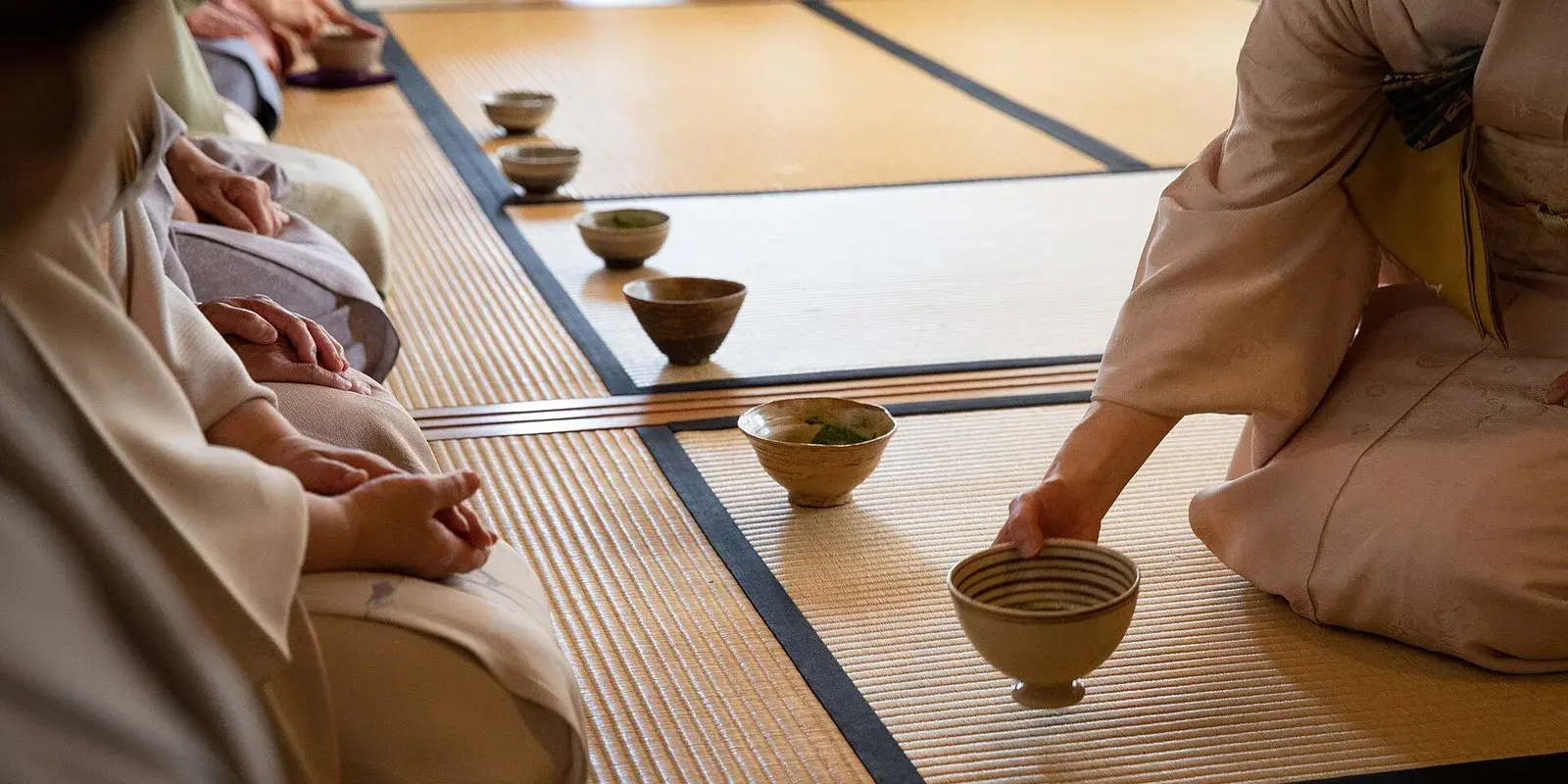
Japanese Tea Ceremony for Visitors: You Don't Need to Know the Rules
What you'll learn in this article:
- What 289 Japanese voices (tea teachers, hosts, and lifelong practitioners) said about foreign guests at a tea ceremony
- Why the elaborate procedure your guidebook lists matters far less than it sounds
- The one thing the host is actually hoping for, and it isn't a perfect bowl-turn
If you've booked a tea ceremony (a chado or chanoyu experience in Kyoto, Tokyo, or anywhere else), you've probably read the warnings. Turn the bowl clockwise, twice and a half, before you drink. Never step on the border of the tatami. Bow at exactly the right moment. Sit in seiza, formal kneeling, and don't even think about shifting. Eat the sweet first, then the tea, and finish the bowl in three and a half sips with a final slurp.
We read what 289 Japanese people wrote: tea ceremony teachers, hosts who run experiences for visitors, and people who have practiced tea for decades. We wanted to know what they actually feel when a guest who doesn't know any of this walks into the room. Almost every one of those rules turns out to be softer than it sounds, and the heart of it is something no checklist captures.
The short version? The host isn't grading your form. They're hoping you'll enjoy it. A bowl turned the wrong way is not a problem. Legs that can't fold into seiza are not a problem either: a chair is fine, and there's a whole chair-based style of tea built for exactly that. Matcha you find too bitter is not a problem. The thing the host will remember is a single honest "this is delicious."
Let's look at what they actually wrote.
Quick Guide
| What you might worry about | What Japanese hosts actually said | |
|---|---|---|
| 🟢 Relax | Getting the procedure wrong | A tea practitioner: "Which direction and how many times you turn the bowl really doesn't matter." The host guides you through everything, and a tea experience isn't a lesson you can fail. |
| 🟢 Relax | You can't sit seiza | "You don't need seiza. Sitting comfortably is fine." There's even a chair-based style, ryurei, said to have been created so chair-sitting guests could take part. Even veterans secretly slip their legs out. |
| 🟢 Good to know | Matcha is bitter / how to eat the sweet | Matcha is meant to be a little bitter, and that's why the sweet comes first, to balance it. The bowl is small. A few sips and a quiet final slurp is the whole "thank you." |
| 🟢 Relax | What to wear / the silence | No kimono needed: clean, neat clothes are fine (bring white socks). And the quiet isn't awkward: "silence isn't awkwardness. It's a time of harmony." |
| 🟢 The point | What the host actually hopes for | "I'm just happy if the feeling of delicious comes across." Not a flawless performance, just a guest who lets themselves enjoy the moment. |
The one thing to remember: The host has already done the work: the room, the flowers, the whisked bowl. Your only job is to receive it with goodwill. As one Kyoto cultural guide put it, not fearing mistakes and taking part wholeheartedly is the single most important "manner" there is.
Do you need to know the rules for a Japanese tea ceremony? We read what 289 Japanese people wrote: tea teachers, hosts, and practitioners. The clear answer: no. 59% wrote that the spirit of enjoying the moment matters more than the form, and the host guides you through everything. You don't need to kneel in seiza, you don't need a kimono, and matcha is meant to be a little bitter. What the host remembers isn't a perfect bowl-turn. It's a guest who finds it delicious.
How We Gathered These Voices
We collected 289 Japanese-language voices across six aspects of a tea ceremony experience: getting the procedure "wrong" (48 voices), sitting in seiza (47), the taste of matcha and how to eat the sweet (47), what to wear and the silence (48), what hosts actually treasure (47), and how all of this differs across generations (52). Sources include public Japanese Q&A sites, forums, and social posts, tea schools and tea-experience operators, essays by tea teachers and practitioners, and magazine and news interviews with tea masters. For the factual side, we also drew on official tea-school and public cultural sources.
A quick note: This isn't a controlled scientific survey. It's a collection of what real Japanese people said in their own words on public platforms, often while reassuring nervous beginners among themselves. The most striking pattern? The strict, intimidating version of tea ceremony that English-language guides describe is mostly the lesson world, years of disciplined training. The version you'll actually experience as a visitor is run by people whose entire goal is to make you comfortable.
🟢 The Procedure: Getting It "Wrong"
The honest answer: the host is not scoring your bowl-turn. The detailed steps exist for a reason, but a visitor getting them wrong is simply met with gentle guidance. A tea experience is not a lesson you can fail.
This is the fear that keeps people up the night before: the bowl arrives, and you can't remember which way to turn it, when to bow, what to say, or in what order anything happens. You're certain you'll embarrass yourself.
Here's what tea people actually said.
Of 48 voices about getting the procedure wrong:
The single clearest voice came from a tea practitioner explaining the famous "turn the bowl" rule:
「どちらの方向に何回回すのか?」というのはどうでもいいです。ただ「何故回すのか?」という点に関してはいずれの流派も同じ心遣いがあります。 Which direction and how many times you turn the bowl really doesn't matter. What matters is why you turn it — and on that point, every school shares the same consideration.
That sentence quietly dismantles the whole anxiety. The famous bowl-turn isn't a test of memory; it's a small act of consideration: you turn the front of the bowl away from yourself so you don't drink from its "face." Get the count or direction wrong and you've still done the kind thing. Another practitioner put the priority plainly:
何事も臨機応変ということがあり、ガチガチに決められている訳ではないので、美味しくお茶をいただくのが良いかと思います。 In everything there's room to adapt — it's not rigidly fixed — so I think the best thing is simply to enjoy the tea.
And from Kyoto's own city cultural guide, the most direct statement of all:
失敗を恐れず、もてなしを受けとる気持ちを大切にすることが何より重要で、初心者であっても、心を込めて参加する姿勢こそが、お茶会において最も大切なマナーです。 More than anything, what matters is not fearing mistakes and valuing the spirit of receiving the hospitality. Even for a beginner, the attitude of taking part wholeheartedly is the single most important manner at a tea gathering. Kyoto City cultural guide
Notice what's being called the most important manner: it isn't the bowl-turn, the kneeling, or the order. It's the willingness to be there. And when you genuinely don't know what to do, the advice is almost comically simple:
わからないときは右隣の人の真似をすれば大丈夫です。流派によって作法が多少異なるため、多少の間違いがあっても構いません。 When you're unsure, just copy the person to your right. Etiquette differs a little from school to school anyway, so a few mistakes are completely fine.
That last point matters more than it looks: there isn't even one single "correct" procedure. The schools (Urasenke, Omotesenke, and others) differ on details, so the idea of a universal mistake partly dissolves. Hosts who run experiences for visitors say it most bluntly of all:
作法は知らなくても、ぜんぜーん大丈夫です。お菓子の食べ方やお茶の飲み方は、やってみると難しいものではありません。 Even if you don't know the procedures, it's totally, totally fine. How to eat the sweet and drink the tea — once you actually try, it's not hard at all. Tea-experience host
What about those strict, scary teachers you've heard about? They're real, but read the voices carefully and they're almost always describing okeiko: ongoing lessons, years of training to master an art. As one practitioner said, a teacher is strict "because that's what practice is." That's a different world from a one-time experience, where, as a popular travel guide reassured beginners:
体験はお稽古ではないので、つつしみ敬う気持ちと、お茶を楽しむ心があれば大丈夫。きっと亭主(先生)が教えてくれますので、一期一会の気持ちで楽しんでみましょう。 A tea experience isn't formal training. As long as you have a respectful heart and a wish to enjoy the tea, you're fine. The host will surely guide you — so enjoy it in the spirit of ichigo-ichie, this one meeting.
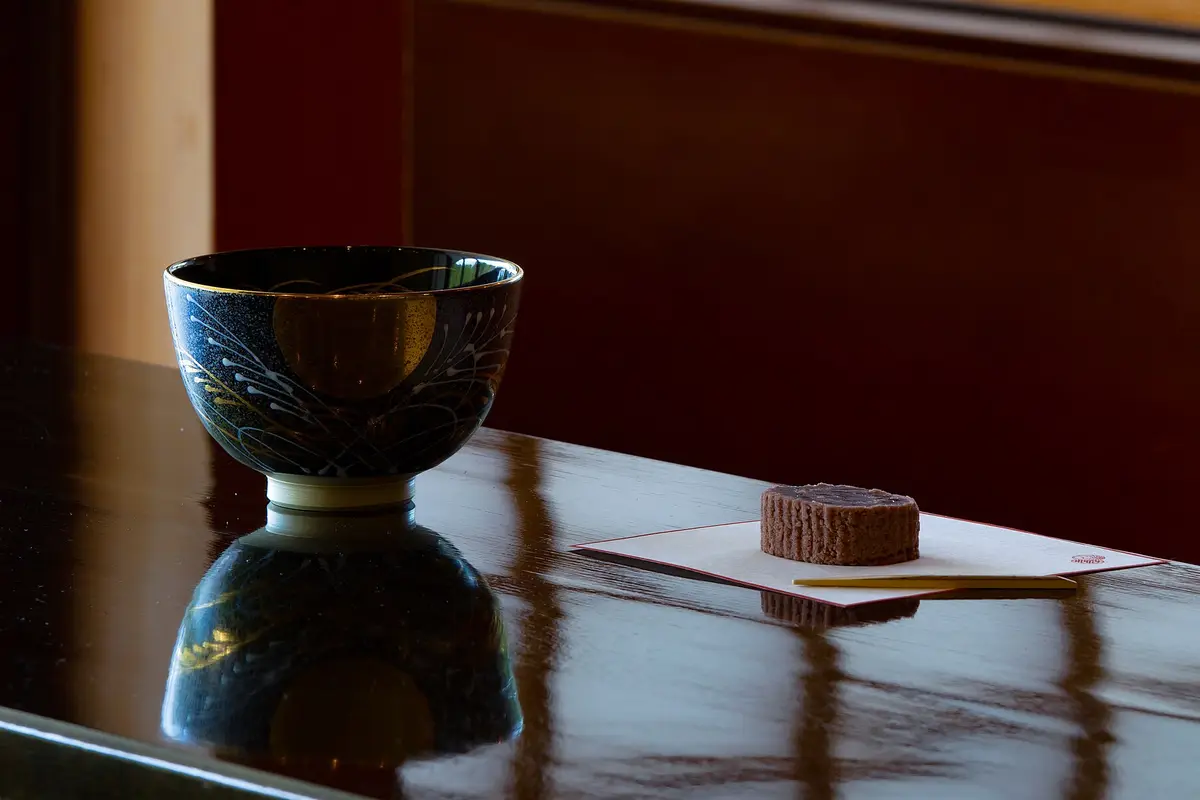
💡 The procedure is consideration, not a test
Every step in tea ceremony was designed to let host and guest move through the moment smoothly together: turning the bowl, the order of sweet and tea, the small bow. They're acts of mutual care rather than a memory quiz. The strict reputation belongs to years-long lessons rather than to a visitor's experience, where the host guides you through everything. Kyoto's own cultural guide names the real "manner": not fearing mistakes, and taking part with your whole heart.
🟢 Seiza: When You Can't Kneel
The honest answer: you almost certainly don't need to do seiza. Hosts say "sit comfortably" and mean it. There's even a chair-based style of tea, and numb legs are universal: experienced practitioners quietly slip their feet out too.
For a lot of visitors this is the most physical fear: the tea room has tatami, everyone seems to kneel, and you know your legs will be screaming, or completely numb, within minutes. Maybe you have a knee or a hip that makes floor-sitting genuinely hard.
Here's what the people who run tea rooms actually said.
Of 47 voices about seiza:
The teachers who host beginners are direct about it:
茶道=必ず正座という訳ではないのです。お楽に座ってくださいね。 Tea ceremony doesn't necessarily mean seiza. Please sit comfortably, however is easy for you. Tea-experience teacher
正座ができなくても構いません。畳に座るのが難しい方には椅子もご用意できます。正座でなくても大丈夫。リラックスしてお楽しみください。 It's fine if you can't sit in seiza. For anyone who finds the tatami hard, we can prepare a chair. You don't need seiza. Please relax and enjoy yourself. Tea-experience operator
And here's a detail almost no guidebook mentions, which reframes the whole worry: there is an entire established style of tea ceremony performed at a table, in chairs, called ryurei. Where did it come from?
座位で座らない、椅子生活の外国人にも茶道を体験して貰いたい、広めたいという考えから、座って点てる立礼の手前が生まれたと言われています。 Ryurei — tea made while seated in chairs — is said to have been born from the wish to let foreigners, who live in chairs rather than on the floor, experience and share in tea ceremony.
In other words, a 150-year-old form of tea ceremony exists specifically because someone wanted people who don't sit on the floor to be able to take part. Many experiences for visitors use exactly this style. And when seiza is involved, the honest reality is that numb legs come for everyone:
お茶は正座が基本です。もちろん、足はしびれます。 Seiza is the basic posture for tea. And of course, your legs go numb.
Even the veterans manage it the same way you would:
ベテランはどうしているか。もうすぐ立ち上がるという時に、分からないように着物やスカートの中で、足首をお尻の下から外して足を痺れや痛みから解放しています。 What do the veterans do? Just before standing, they discreetly slip their ankles out from under them, hidden in the kimono or skirt, to free their feet from the numbness.
The teachers, far from demanding endurance, actively discourage it:
逆に、我慢して正座を続けていると痺れを切らせて立ち上がるのが大変になりますので、最初は無理しないように。 On the contrary — if you keep enduring seiza you'll go so numb that standing becomes hard. So at first, don't push yourself.
And one teacher's quiet kindness sums up the whole spirit:
私の先生は優しいので、座布団を使いなさいと言ってくださいます。マナー違反ではないそうなのです。 My teacher is kind and tells me to use a cushion. Apparently it's not a breach of etiquette at all.
💡 Suffering through seiza is the opposite of the point
Hosts who welcome visitors say "sit comfortably," and a chair-based style, ryurei, exists precisely so chair-sitters can join. Numb legs happen to everyone, veterans included, and teachers would rather you use a cushion or shift discreetly than make yourself miserable. The only people who frame seiza as essential are talking about years of serious training. As a visitor, your comfort is welcome. It is not a failure.
🟢 The Matcha and the Sweet
The honest answer: matcha is meant to taste a little bitter. That's not a mistake, and the sweet is there to balance it. The bowl is small. Eat the sweet first, drink the tea in a few sips, and a quiet final slurp is the whole "thank you." If you truly can't finish, no one will scold you.
Two worries live here. First: you've only ever had sweet matcha lattes, and you're afraid the real thing will be unpleasantly bitter. Second: there's a little sweet on a piece of paper in front of you and you have no idea how or when to eat it.
Here's what people said.
Of 47 voices about taste and the sweet:
First, the honest truth about the taste, because the confusion is real:
抹茶は甘くなく苦い物。抹茶スイーツは甘みやミルクをたくさん入れてるから甘い。 Matcha itself isn't sweet — it's bitter. Matcha sweets are sweet because lots of sugar and milk are added.
So yes, ceremonial matcha is a little bitter, the way good coffee is. That's not a flaw, and it's not you doing something wrong. It's the point, and it's exactly why the sweet comes first:
お抹茶は、甘くておいしい和菓子があってこそその苦みが心地いいのです。 Matcha's bitterness only becomes pleasant precisely because there's a sweet, delicious wagashi alongside it. Tea practitioner
You eat the sweet first, and a moment later the bitter tea meets that lingering sweetness on your tongue: the two are designed for each other. That's the whole reason for the order. Knowing that one fact removes most of the mystery. And on the rest of it, the reassurance is emphatic:
茶道をやっていない人が「順番を間違えた〜!」とか「やり方が違っているのか?どうしよう!」などという事は、全く、いっさい、1ミリも気にしなくて大丈夫です! If you don't practice tea ceremony, you do not need to worry one millimeter about "I got the order wrong!" or "Am I doing it wrong, what do I do!"
The bowl of matcha is small, just a few sips. You're meant to finish it, and the gentle final slurp isn't rude; it's the polite signal that you enjoyed it down to the last drop. But even "finish it" comes with permission to be human:
「三口半で飲み切る」とも言われますが、無理せずにいただきましょう。 They say to "finish in three and a half sips," but let's not force it — drink at your own pace.
As for the sweet, if the little pick defeats you, hands are allowed:
もなかや大福は、菓子切で切り分けるのが難しい場合は、菓子切を使用せず手で持って食べても構いません。 For things like monaka and daifuku, if they're hard to cut with the pick, it's perfectly fine to just pick them up and eat them by hand.
The "red" voices in our gauge, the 6%, are the people who say the bowl should be finished and you shouldn't nibble the sweet and tea alternately. They're describing the genuine etiquette, and it's worth knowing. But notice what it asks of you: finish a small, deliberately delicious bowl, and eat your sweet before the tea arrives. That's the whole rulebook. The bitterness you feared is the bitterness you're supposed to taste.
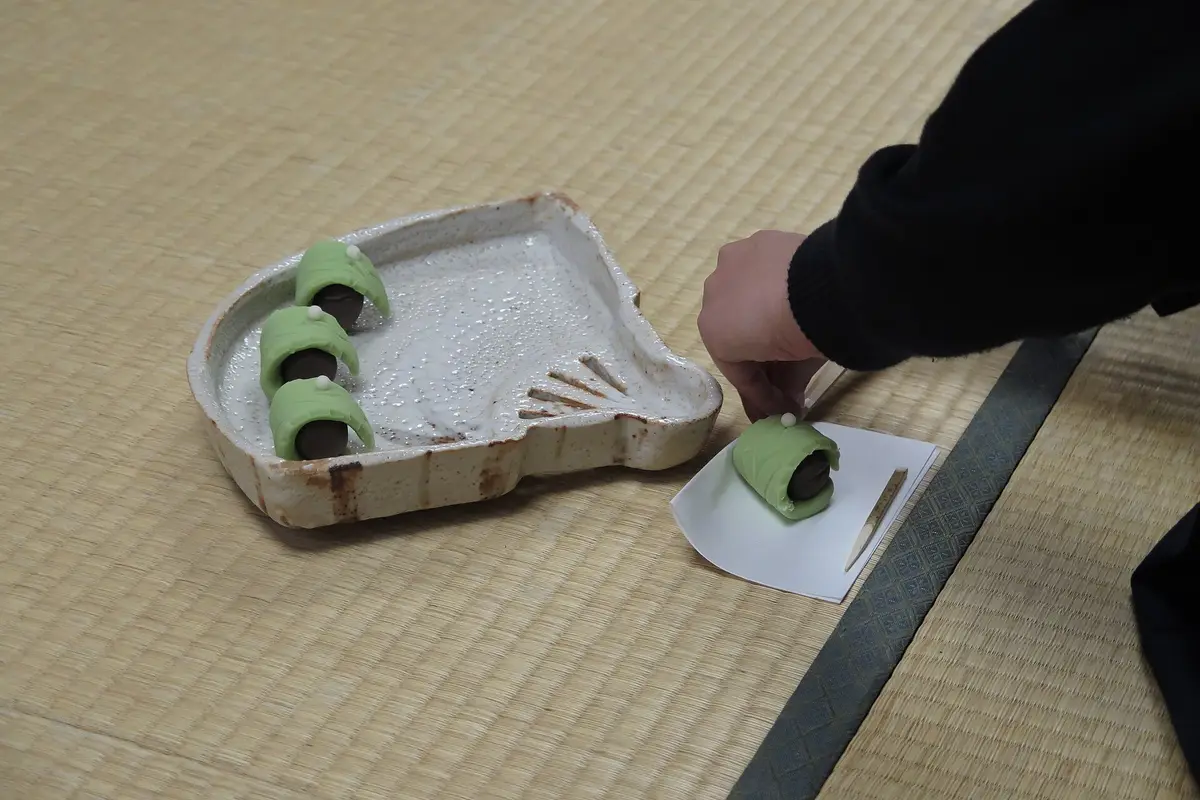
💡 The bitterness is the design, not a mistake
Ceremonial matcha is meant to be lightly bitter, and that's why the sweet comes first, to make the bitterness pleasant. The bowl is small, you finish it in a few sips, and the quiet final slurp says "that was good." The only real "rules" are: eat the sweet first, don't alternate bites and sips, and finish if you can. If you genuinely can't, set it down. No host is keeping score of the last sip.
🟢 What to Wear, and the Silence
The honest answer: for a tea experience, you don't need a kimono. Clean, neat clothes are fine, and the one thing that matters is clean white socks. And the quiet isn't a test of nerve; it's a designed, restful part of the experience, and the host will tell you when it's fine to talk.
Two more worries that travel together: Will my clothes be wrong? and Do I have to sit in tense silence the whole time?
Of 48 voices about dress and silence:
On clothes, the assumption that you need a kimono is the first thing locals wave away:
茶道と言えば着物でしょ?と思いがちですが、お稽古であれば着物が必須とも限りません。 People assume tea ceremony means a kimono, but even for lessons a kimono isn't necessarily required.
The experiences built for visitors say it outright, and many will happily lend you a kimono if you want the photo:
お洋服でご参加できます。もちろんお着物でのご参加も大歓迎です! You can take part in regular clothes. And of course, joining in a kimono is very welcome too! Tea-experience operator
The one consistent practical detail isn't about looking formal. It's about clean feet on the tatami:
白い靴下です。家から履いて行くのではなく、到着してから茶会がはじまる前に履き替えます。 White socks — not worn from home, but changed into clean after you arrive, before the gathering begins.
That's the real "dress code": clean, neat, calm colors, and a fresh pair of white socks to slip on (they go right over tights, if you're wearing them). The only things genuinely discouraged are the very casual, a tracksuit, say, and even jeans get flagged mostly because they're tight for sitting rather than because they offend. A tea teacher gave the gentlest possible framing of why any of it matters:
茶席でのマナーというのは、誰かに叱られないためのものではなく、茶席で一緒にいる方たちと、心地よく、安心して過ごすためのマナーなのです。 The manners at a tea gathering aren't there so you won't get scolded — they exist so that everyone in the room can spend the time comfortably and at ease together. Tea teacher
Then there's the silence. Many visitors brace for an oppressive, exam-like quiet. The tea world sees it completely differently:
茶室では、沈黙が続いてもそれは気まずさではなく、調和の時間。 In the tea room, even when the silence stretches on, it isn't awkwardness — it's a time of harmony.
沈黙は不安ではなく、味や香りを受け取る時間です。相手が器を見つめている間は待ち、合図があってから短く言葉を添えます。 Silence isn't anxiety — it's time to take in the taste and the aroma. While someone is gazing at the bowl, you wait; after a cue, you add a few brief words.
You're not expected to fill the quiet, and you're not expected to carry the conversation. In a formal gathering, the host and the principal guest lead it. If you do want to say something, the seasons, the flowers, and the bowl in your hands are the natural, welcome subjects. And the simplest move of all, when you're unsure:
初心者の方は「初心者である」ことをキチンとお伝えして、正客や末客は遠慮すると良いでしょう。堅苦しく考える必要は全くありませんが。 Beginners should just clearly say they're beginners, and it's fine to decline the chief-guest or final-guest seats. There's really no need to treat it as stiff or formal.
Even Japan's largest tea school, Urasenke, lands in the same warm place in its own beginner's guidance:
亭主も客も相手を思いやる気持ちが何より大切です。そのような気持ちを持って、まずは楽しく一服のお茶を楽しむことが良いかと思います。 What matters most is that host and guest care for one another. With that spirit, the best first step is simply to enjoy a bowl of tea, happily. Urasenke (official guidance)
💡 Neat clothes, clean socks, and a silence that's on your side
For a tea experience, regular clean clothes are fine. The one thing to bring is a fresh pair of white socks for the tatami. Skip the tracksuit; everything else is welcome. And the quiet is a gift rather than a test: it's space to actually taste the tea. You won't be expected to fill it or to carry the conversation. If you're unsure of anything, saying "I'm a beginner" is a complete and perfectly graceful move.
🟢 What the Host Actually Hopes For
The honest answer: not a flawless performance. A real "this is delicious," a smile, curiosity, a willingness to be present. Across our voices, what hosts treasure most is the moment a guest stops worrying and simply enjoys the bowl in their hands.
If you read only one section, read this one, because it's where the whole anxiety turns out to have been pointed in the wrong direction.
Of 47 voices about what hosts treasure:
Eighty-one percent: the warmest reading in any of our six topics. A tea teacher said it in one line:
言葉に決まりはなく、美味しい!と言う気持ちが伝わると嬉しい。 There are no fixed words to say — I'm just happy if the feeling of "this is delicious!" comes across. Tea teacher
That's the whole thing. There isn't a phrase you have to get right. There's a feeling the host is hoping to see. Another host described the exact moment they remember: a foreign guest, after the nerves had melted away, with a single smiling word:
おいしいわ。 It's delicious. A guest's words, remembered by the host
This isn't sentimentality; it's built into the philosophy. One of tea master Sen no Rikyu's foundational rules is cha wa fuku no yoki yo ni tate: whisk the tea so it suits the guest well. The entire ideal is pointed at your enjoyment:
利休七則の一つは「茶は服のよきように点て」。お客様が美味しいと感じてくださるように心を込めて点てることです。 One of Rikyu's seven rules is "whisk the tea so it suits the guest." It means making it with all your heart, so the guest finds it delicious.
Hosts describe their own happiness as bound up entirely with the guest's feeling, rather than the guest's technique:
やはり私が一番楽しんでいます! In the end, I'm the one having the most fun! Tea-experience teacher
招かれた客も感謝して一服のお茶をいただくのです。心が通じたときに喜びがあります。 The guest, too, receives the bowl with gratitude. And when two hearts truly meet, there is joy. Tea host
What also lights them up, again and again, is curiosity: the guest who asks. Far from being an interruption, your questions are received as a gift:
説明すれば、外国のお客さまも『なるほど!』とわかって喜んでくださいます。 When I explain, foreign guests too light up with "I see!" and are delighted — and so am I. Tea host
There's even a quiet joy hosts describe in simply watching a guest settle: a chatty visitor crossing the threshold, falling naturally quiet, their face turning thoughtful. None of that requires you to know a single procedure. It requires you to let yourself be there. (This guest-and-host-as-equals spirit, ichiza-konryu, creating the moment together, runs through all of Japanese hospitality; we explore its roots in why Japanese service feels different and the people behind omotenashi.)
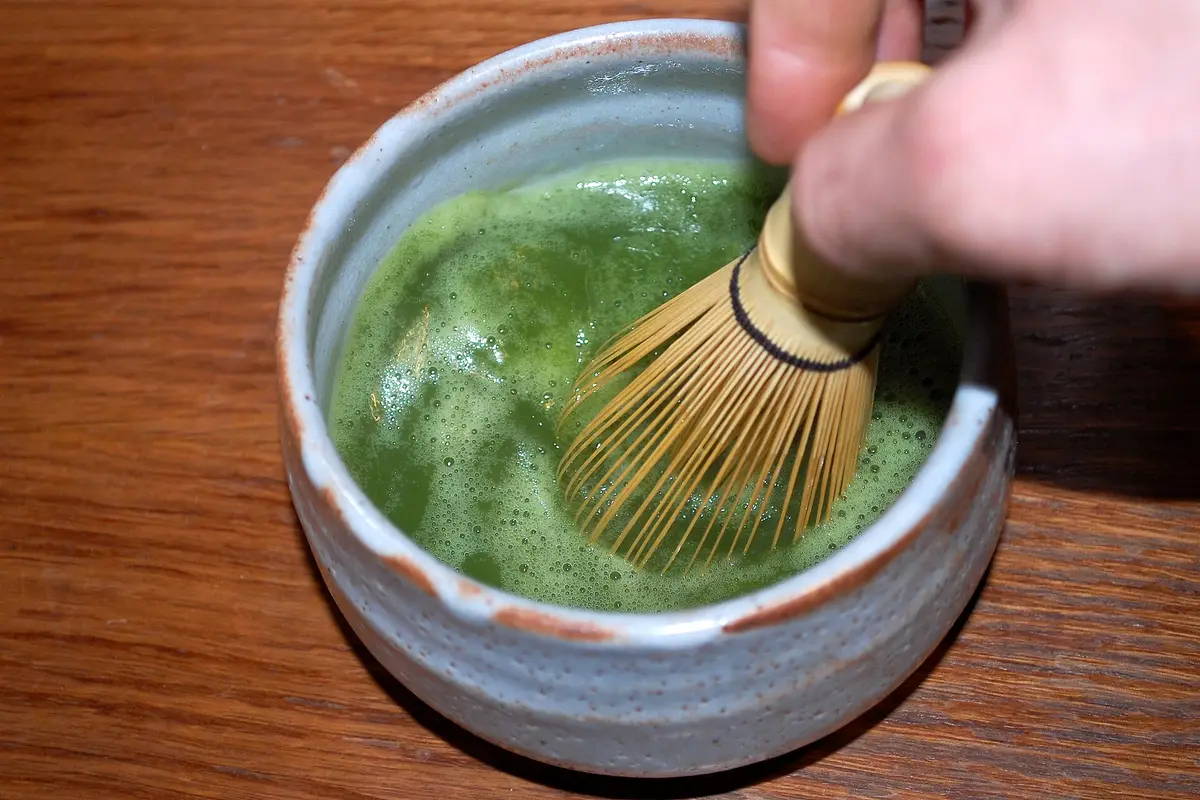
💡 They're hoping you'll enjoy it: that's the whole assignment
Across 47 voices, what hosts treasure isn't a flawless bowl-turn. It's a real "this is delicious," a smile, a curious question, the moment a guest stops bracing and simply receives the tea. It's written into the philosophy: Rikyu's rule is to whisk the tea so the guest finds it good. Your only job is to let that land.
What Generations Reveal: The Door Is Opening Wider
The strict, intimidating image of tea ceremony is real, but our generation-focused voices (52 of them) show clearly where it comes from, and where things are heading.
The strictness lives mostly in the serious lesson world, and older, traditional practitioners do defend it. Some find real meaning in the rigor ("a teacher has to be strict," one said of formal training), and a minority feel the old culture has grown closed and a little suffocating. That tension is genuine, and it's mostly an insider conversation about decades of disciplined practice.
But the people actually building tea experiences for visitors, and a whole younger generation of tea practitioners, are pulling hard in the opposite direction. Their language is unmistakable:
茶道って本当は楽しいし、リラックスできる、しかも美味しい!椅子は高く、敷居は低く! Tea ceremony is actually fun, relaxing, and on top of that, delicious! Chairs high, threshold low! Table-tea teacher
それで十分、茶の湯の精神は体現できるんです。 That's enough — you can still fully embody the spirit of tea. Tea practitioner in his twenties
お茶って実は古くて新しい、かっこいい飲み物なんだ!ということを広めていきたいですね。 I want to spread the idea that tea is actually an old-yet-new, cool drink! Tea practitioner in her twenties
You can even hear the conversion happen. One writer admitted she'd always thought tea practice looked "incredibly stiff and boring," until a modern, casual format changed her mind entirely:
早速体験に行ったらこれがもう本当に楽しくて。あんなに「お茶には興味あるけどお稽古に通うのは性に合わなくて」と諦めてたのに。 I went to try it and it was genuinely so much fun — even though I'd given up, thinking "I'm interested in tea but formal lessons just aren't for me."
The newer schools talk openly about balancing heart, knowledge, and form rather than drilling form alone, and many are explicitly designed to dissolve the "expensive and scary" stereotype before it can scare anyone off.
What this means for a visitor is reassuring in a very practical way: the strict version you've heard about is the older lesson-world version, and the experience you'll actually walk into is, more likely than not, run by exactly the people working hardest to make tea feel warm, easy, and fun. You're arriving at the welcoming edge of a tradition that is deliberately opening its door.
What Japanese Hosts Actually Remember
After reading all 289 voices, the things tea teachers and hosts said they remember about good guests, foreign or Japanese, were strikingly small, and not one of them was a procedure.
- A real "this is delicious." Spoken, or just shown on your face. As one teacher said, there are no fixed words; the feeling is what lands.
- Letting yourself relax. Sitting comfortably, breathing, settling into the quiet. Hosts genuinely delight in watching a nervous guest soften.
- Curiosity. A question about the flower, the bowl, the season. Your "what is this?" is received as a gift, never an interruption.
- A small word of thanks, even a clumsy one. The same warmth we found in trying to speak Japanese and in the power of a small bow applies here exactly.
- Simply being present. Receiving the welcome the host has prepared, with goodwill. That, in the end, is the only "etiquette" that truly counts.
You are the guest. You are meant to enjoy yourself. The host has already done the hard part: the room, the flowers, the bowl whisked just for you. Your part is only to receive it. As a tea teacher reminded a nervous beginner:
失敗を恐れず、心を込めて参加する姿勢こそが、お茶会において最も大切なマナーです。 Not fearing mistakes, and taking part with your whole heart — that is the most important manner at a tea gathering.
That's the tea ceremony in one sentence.
More Japanese Perspectives
Curious about other moments in Japan where the rules turn out to be softer than they sound? These articles explore what Japanese people actually think, based on hundreds of real voices.
- Staying at a Ryokan: What Your Host Wishes You Knew: The same "your effort matters more than your form" warmth, for a traditional inn stay. A natural pairing with a tea experience on any itinerary.
- Visiting Temples and Shrines: How to move through a sacred, quiet space when you don't know the gestures, the closest cousin to the tea room.
- Do I Need to Speak Japanese?: Reassurance for the language worry, which fades fast once you realize the host is reading your warmth rather than your grammar.
- Photo Etiquette at Tourist Spots: If you're wondering whether you can photograph the tea room or your bowl, the gentle answer (ask first) lives here.
Share Your Experience
Been to a tea ceremony in Japan, or about to go? Maybe a host who put you at ease, a bowl you weren't sure you'd like and did, or a moment of quiet that surprised you? We'd love to hear it. Your story helps build a bridge between cultures.
Share your experience on Voice Box →
Sources
Primary Research Data
- WMJS tea ceremony research data (289 Japanese-language voices collected June 2026)
- Getting the procedure wrong: 48 voices
- Sitting in seiza: 47 voices
- The taste of matcha and eating the sweet: 47 voices
- What to wear and the silence: 48 voices
- What hosts actually treasure: 47 voices
- Generational differences: 52 voices
Opinion Collection Sources
The following sources were used to collect Japanese people's opinions and sentiments. These are not cited as factual authorities but as platforms where real Japanese people expressed their views on the tea ceremony experience.
Getting the procedure wrong:
- Public Japanese Q&A sites, forums, and social posts: first-hand opinions on making mistakes at a tea gathering
- https://kyoto-seikatubunka.city.kyoto.lg.jp/column/03_manner/
- https://omotesenke-kunpukai.com/sahou-kyakuburi/
- https://www.jalan.net/news/article/500132/
- https://matcha-jp.com/jp/2674
- https://ameblo.jp/happysmile-hiro/entry-12441746314.html
Sitting in seiza:
- Public Japanese Q&A sites, forums, and social posts: first-hand opinions on seiza and posture at a tea gathering
- https://ameblo.jp/chazen-sado/entry-12592062058.html
- https://www.ogino-a.com/post/18-04-19cha-ryurei
- https://souten-tea.com/trial/
- https://ranhotei.com/tealesson/
- https://mame-sadou.com/seiza-worries
- https://namichidori.info/seizaganigatedemoochahadekimasu/
- https://www.ayuomotenashi.com/tea_ceremony
The taste of matcha and eating the sweet:
- Public Japanese Q&A sites, forums, and social posts: first-hand opinions on matcha's taste and eating the tea sweet
- https://allabout.co.jp/gm/gc/459244/
- https://www.e-cha.co.jp/contents/tearoom-manners/
- https://chanoyuiroha.com/chaseki-kashi-tabekata-wagashi/
- https://kobai.jp/column/2994/
- https://sadoguide.com/archives/610
What to wear and the silence:
- Public Japanese Q&A sites, forums, and social posts: first-hand opinions on dress and silence at a tea gathering
- https://www.urasenke.or.jp/home/textb/shiru/beginer/
- https://intojapanwaraku.com/rock/gourmet-rock/2552/
- https://www.ucon.co.jp/cha/cha1-1.html
- https://blog.chirancha.net/739/
- https://fu-getsu.jp/tea-ceremony-blog/manners-of-clothing-that-beginners-should-be-aware-of-in-the-tea-ceremony-classroom/
- https://chanoyumap.jp/special/tips-for-tea-ceremony/
- https://suzuki-tea.com/tea-etiquette/
What hosts actually treasure:
- Public Japanese Q&A sites, forums, and social posts: first-hand opinions and host accounts of cherished moments
- https://matcha-happylife.com/blog/effect-of-tea-ceremony-experience-for-foreigners-visiting-japan-on-business/
- https://jpcul.com/jp/omotenashi-sadou/
- https://jpn.teaceremony-kyoto.com/2017/02/2214
- https://halmek.co.jp/harutomo/1743
- https://sanyuan-sapporo.com/archives/1725
Generational differences:
- Public Japanese Q&A sites, forums, and social posts: first-hand opinions on how tea culture differs across generations
- https://www.businessinsider.jp/post-227951
- https://www.ayuomotenashi.com/tea_ceremony
- https://shop.chanoma.co.jp/special/detail/068
- https://matcha-energy.jp/?page_id=139
- https://www.koukouseishinbun.jp/articles/-/6086
- https://story.nakagawa-masashichi.jp/73401
- https://www.ava-cha.com/sado_beginner
Factual background (tea schools and public cultural sources):
- Urasenke official beginner's guidance: https://www.urasenke.or.jp/home/textb/shiru/beginer/
- Kyoto City cultural manners column: https://kyoto-seikatubunka.city.kyoto.lg.jp/column/03_manner/
- Omotesenke-affiliated guest-etiquette essay: https://omotesenke-kunpukai.com/sahou-kyakuburi/
Note on Quotations
Quotes from online platforms have been lightly edited for readability (fixing typos, formatting for clarity). The meaning and intent of each comment remain unchanged. Original sources are linked above.
WMJS is written in Japan, in English, with AI help. We check every page, but English is not our first language. If a sentence reads oddly, tell us. One sentence is enough.
Thank you. A person reads every note.
How well do you know Japan?
Based on 51,218+ real Japanese voices
Want to know more? Ask Japanese people
Have a follow-up question about this topic? We'll ask real Japanese people.
Voice Box →