
Japanese Cooking Classes: What Your Teacher Is Really Hoping For
What you'll learn in this article:
- What 174 Japanese voices (teachers, sushi chefs, home-cooking hosts, and cooks) said about clumsy, nervous, non-Japanese-speaking guests
- Why "I can't cook" and "I don't speak Japanese" are the two worries that matter least
- The one small thing that means more to a teacher than a perfectly shaped piece of sushi
You've found a sushi-making class, or a home-cooking experience, or a ramen workshop, and then the doubts start. I'm clumsy. I'll mangle the rice. I don't speak Japanese. What if I can't follow the instructions? Is it really okay to touch raw fish with my bare hands? I'm vegetarian; will that be a problem? And when it's all done and we sit down to eat, what am I even supposed to say?
We collected 174 Japanese voices, working sushi chefs, home-cooking hosts, cooking teachers, and ordinary cooks, about exactly these worries. Almost every one of them points the same way: a Japanese cooking class is not a skill test. The teacher isn't grading the shape of your sushi or the smoothness of your dough. What they're actually watching is whether you're enjoying yourself, and the moment they remember longest is usually a single, clumsy oishii ("delicious").
The short version? Come exactly as you are. Clumsy is fine. No Japanese is fine. Bare hands are how it's done. Japanese people fail their first time too; professional cooks say so themselves. The thing your teacher is hoping for isn't a beautiful result. It's the hour you spend making it together.
Let's look at what they actually wrote.
Quick Guide
| What you might worry about | What Japanese teachers actually said | |
|---|---|---|
| 🟢 Relax | Not speaking Japanese | A sushi school put it plainly: "It's almost all hands-on, so you can make sushi even if you don't understand the words." 78% of voices said gestures, a smile, and a phone translator are more than enough. |
| 🟢 Relax | Being clumsy / a bad cook | A home-cooking host: "It's not about how good your cooking is; I just do it wanting to have fun together with the guest." 92% said skill is beside the point. A cooking-class student added: nobody laughs at you for not being able to do it. |
| 🟢 Relax | Touching food with bare hands | "It's not that bare hands are wrong; the rule is to wash your hands before you touch." Clean bare hands are the traditional way; your teacher will show you the tezu (vinegar-water) trick first. |
| 🟢 Good to know | Dietary limits (veg / halal / allergies / no raw fish) | "Please write your dietary restrictions in the booking." Telling them early isn't an imposition; it's exactly what helps. Many classes already adapt for vegetarian, halal, and "no raw fish." |
| 🟢 Easy win | What to say while you eat together | "The single word 'delicious' is a joy like nothing else." A whole sentence isn't needed. One word (even silence and a second helping) is what they remember. |
The one thing to remember: Your teacher isn't waiting for you to perform. They're waiting to share an hour with you. If you bring goodwill and a willingness to get your hands messy, the rest forgives itself.
Do you need to speak Japanese, or be a good cook, to take a cooking class in Japan? We collected 174 Japanese voices from teachers, hosts, and cooks. The answer: 92% say skill isn't the point, 78% say language isn't either, and what teachers remember most is a single "delicious." You're meant to enjoy this. Come exactly as you are.
How We Gathered These Voices
We collected 174 Japanese-language voices across five worries people bring to a cooking class: not speaking Japanese (23 voices), being clumsy (38), touching food with bare hands (31), dietary restrictions (27), and the meal you share afterward (32); plus how the whole world of teaching food is changing across generations (23 voices). Sources include working sushi chefs and home-cooking hosts, cooking teachers and culinary professionals, public Japanese Q&A sites and blogs, and news interviews.
A quick note: This isn't a controlled scientific survey. It's a collection of what real Japanese people said in their own words, on public platforms and in interviews, about teaching and cooking with beginners and foreign guests. The most striking pattern? The very things English-language guides frame as "barriers" (your language, your skill level, your unfamiliarity with raw fish) are the things the people actually teaching care about least.
🟢 The Language: "It's Almost All Hands-On"
The honest answer: you do not need Japanese. Cooking is taught by showing, not telling, and the people who teach it are completely used to bridging the gap with gestures, a smile, and a translation app.
This is the worry that stops people before they even book. If I don't understand the instructions, won't I be lost? Won't I hold everyone up?
Here's what the people on the other side of the counter actually said.
Of 23 voices about the language barrier:
The most direct statement came from a sushi school that runs hands-on classes for visitors:
ほぼ実技ですので、言葉が分らなくてもお寿しを握れます。 It's almost all hands-on, so you can make sushi even if you don't understand the words. (Sushi school for visitors)
That single line is the whole secret. Cooking is a show-and-copy craft. The teacher dips their hand in the vinegar water, you watch, you copy. They press the rice, you press the rice. A sushi teacher who runs a small class explained why this works so well in person:
その場でやってるから色んな角度で見せつつ出来るので伝えやすい。 Because we're doing it right there, I can show it from every angle as I go — it's easy to get across. (Sushi teacher)
The hosts who don't speak fluent English are not worried about it, because they've found that warmth carries further than vocabulary. A sushi chef who opens his counter for hands-on classes summed up his whole approach in five words:
言葉よりも感謝の気持ち・おもてなしの精神 More than words — a feeling of gratitude, and the spirit of hospitality. (Sushi chef and host)
And the gestures-plus-translator method isn't a compromise; it's the norm. Hosts routinely use a phone translator and drawings, and the experience platforms tell would-be hosts in plain terms that fluent English was never required:
完璧な英語でなくても、単語やジェスチャーを交えながら歓迎の気持ちを伝えつつ、コミュニケーションを取ることができます。 Even without perfect English, you can communicate — mixing in single words and gestures while conveying that you're glad they came.
絵を書いて筆談。表情。心から伝え、雰囲気が楽しめればそれで十分満喫できますよ。 Draw pictures, write notes, use your expression. Convey it from the heart — if you can enjoy the atmosphere, that's more than enough to have a great time.
We're not pretending the barrier is invisible. The honest minority said so. A teacher who opened her own sushi class admitted the language never fully stops being work:
英語力アップはいつも心がけています。英語ネイティブの方にナチュラルスピードの英語で一気に話されると聞き取れないこともあります。 I'm always trying to improve my English. When a native speaker fires off natural-speed English all at once, sometimes I can't catch it. (Teacher who opened a sushi class)
But notice what she's saying: even she, the one finding it hard, keeps teaching, because it works anyway. Another instructor put the same truth more cheerfully:
言葉の壁は相変わらずですが(笑)、コミュニケーション能力は上がりましたので、どこの国の外国人の方とでも楽しく有意義なレッスンを行っております。 The language wall is still there (laugh), but my communication skills have grown, so I'm having fun, meaningful lessons with visitors from any country. (Cooking class instructor)
If you want to bring one word, bring it: a hello, a thank you, an attempt. As we found in our research on trying to speak Japanese, that attempt is exactly what Japanese people remember, and you can read more about whether you really need the language at all. But you can also just show up, watch the hands, and copy. That's the class working as designed.
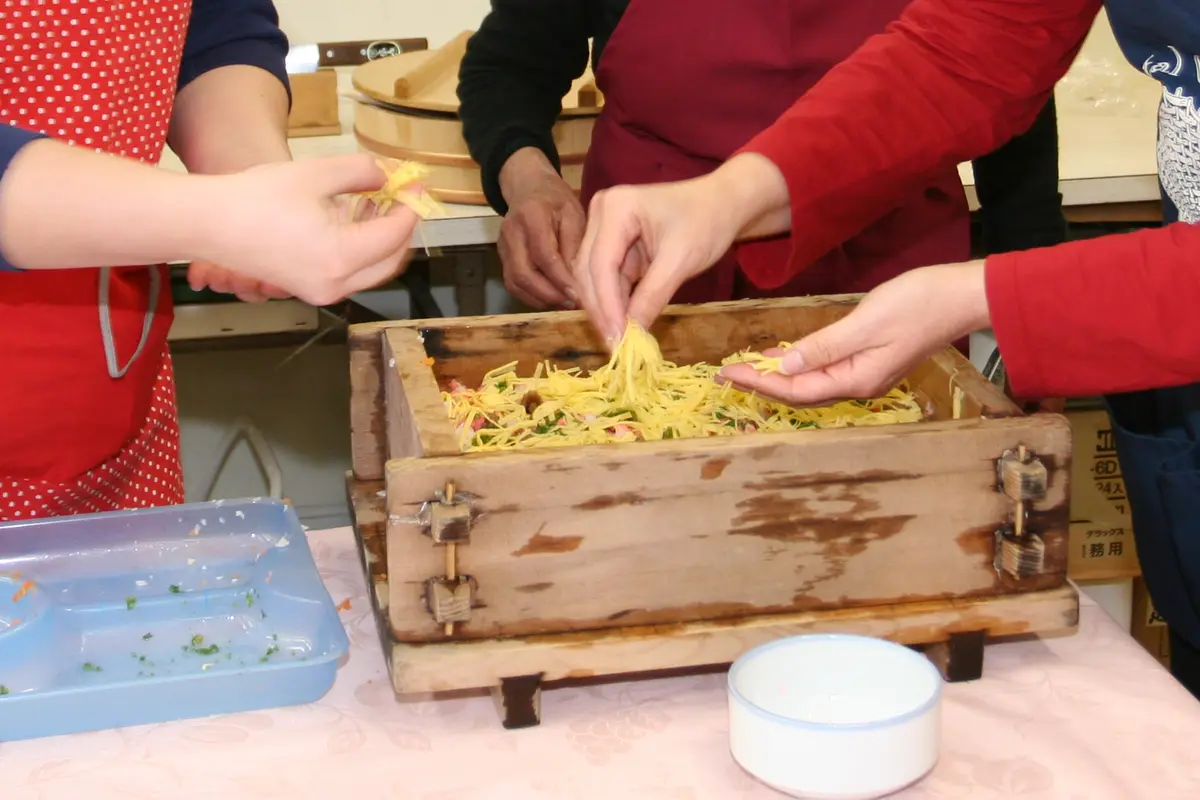
💡 Cooking is taught by showing, not telling
A cooking class is one of the few experiences where the language barrier mostly dissolves on its own, because the teaching is physical. The teacher shows; you copy. Hosts are completely used to bridging the rest with gestures, drawings, expression, and a phone translator, and they'll tell you a single word from you, in any language, is plenty. The barrier is real but small, and the class is built to work right through it.
🟢 Being Clumsy: Nobody Is Grading Your Sushi
The honest answer: skill is genuinely not the point. Teachers aren't scoring your results, and Japanese cooks, including professionals, are the first to say they fail and fumble too. A wonky piece of sushi you made yourself tastes better than a perfect one you didn't.
This is the deepest fear for a lot of people: I'm hopeless with my hands. My roll will fall apart. The teacher will be quietly disappointed.
Here's what the teachers and cooks actually said.
Of 38 voices about being clumsy or a beginner:
Ninety-two percent: the highest positive reading in all of our cooking-class research. A home-cooking host in Asakusa said the part that should be printed on every class flyer:
料理の腕前がどうこうというよりも、とにかく、ゲストと一緒に楽しもうという気持ちを持ってやっていますね。 It's not about how good your cooking is — I just do it wanting to have fun together with the guest. (Home-cooking host in Asakusa)
The most reassuring voices, though, came from professionals admitting their own failures. A cookbook author with over a decade in the job:
料理家と名乗ってから十数年経ちますけれど、まあ失敗なんてオンパレード、枚挙にいとまがありませんよ。私たちだって失敗もすれば、うっかりもありますよ! It's been more than ten years since I started calling myself a cooking professional, and honestly it's a parade of failures, too many to count. We mess up and slip up too! (Cookbook author)
A chef went further and reframed failure as the whole point:
実は失敗があるからこそ料理は面白いのです。 The truth is, it's precisely because there's failure that cooking is interesting. (Chef)
When the cook who has done this for a living says they still fail, the pressure on you (first-timer, on holiday, doing this for fun) quietly evaporates. A cooking writer teaching home-style hand-pressed sushi made the same point from the other direction:
大きさがバラバラでも大丈夫です。食べるのは私たちですもの! 形が悪くても、大きくても、わいわいとおおらかな気持ちで取り組むのが一番です。 It's fine if they come out all different sizes. We're the ones eating them! Misshapen, too big — it doesn't matter. The best way is to dive in, noisy and easygoing. (Cooking writer)
誰に見せるわけでもありません。自分たちで食べてしまうのですから。 You're not showing them to anyone. We just eat them ourselves. (Cooking writer)
That's the quiet truth that dissolves the fear: there is no panel of judges. You eat what you make. And the single most direct answer to "won't the teacher think less of me?" came from a cooking-class student, talking to people still hesitating to sign up:
できなくて笑われるなんてこともありませんので、迷っている方は、安心して受けてみてください。 No one laughs at you for not being able to do it, so if you're on the fence, please relax and give it a try. (Cooking class student)
And here's the lovely part: the wonky result is often the best memory. A parent who did a sushi class with her kids:
子供が握ったお寿司なんてシャリがカピカピでしたが、まあ、楽しかったのでまた行きたいね。 The sushi my kid pressed had dried-out, crumbly rice — but hey, it was fun, so we'd go again. (Parent at a sushi class)
Even the classes that promise you'll succeed are really promising you'll have fun trying. As one sushi-experience school cheerfully insists to nervous beginners: "Think you can't possibly make sushi in a few hours? You absolutely can!!" The small skeptical minority (about 3%) said things like "you need knowledge, not just practice," a fair point about getting genuinely good over time, but nobody, anywhere, said a beginner's clumsy hands were a problem in a class.
💡 There is no panel of judges: you eat what you make
The fear of being clumsy assumes someone is scoring you. No one is. Teachers say plainly that skill is beside the point, professional cooks volunteer that they fail constantly, and students confirm that nobody laughs at a beginner. The misshapen piece you pressed yourself is the one you'll remember, and it tastes better precisely because your hands made it. Come unable to cook. That's the normal starting line.
🟢 Bare Hands: Why It's the Clean Way, Not the Risky One
The honest answer: clean bare hands are the traditional, intended way to make sushi and onigiri. The issue was never "bare hands vs. gloves." It's whether the hands are clean. Your teacher will show you the tezu (vinegar-water) trick before you touch a thing.
For a lot of visitors this one is physical: I have to press vinegared rice and raw fish with my bare hands? Is that even hygienic? Can I touch it?
Here's what Japanese sushi makers and cooks said.
Of 31 voices about touching food with bare hands:
The cleanest summary of the whole question came from a Q&A answer that cut straight to it:
素手がいけないのではなく『触るなら手をきれいにする』ことが常識なんです。手袋をすればいいというものではなく、清潔な素手の方がよほど大切です。 It's not that bare hands are wrong — the common-sense rule is "if you're going to touch it, make your hands clean." It's not that gloves solve everything; clean bare hands matter far more.
That reframes the worry entirely. The question was never bare-hands-versus-gloves. It's clean-versus-not. And the tezu, the bowl of vinegar-and-water sushi makers keep at hand, is the tool that keeps them clean. A sushi restaurant owner walking a beginner through it:
右手を手酢(お酢を水1:1で割ったもの)に浸し、指先に余分なシャリが付きにくくします。多めに浸しても大丈夫! この後の作業がしやすくなります。 Dip your right hand in the tezu (vinegar cut 1:1 with water) so excess rice won't stick to your fingertips. Dip plenty — that's fine! It makes everything after this easier. (Sushi restaurant owner)
Notice the "dip plenty" reassurance. That's a teacher calming a nervous beginner in real time. The vinegar does double duty, as a news explainer describing the craft laid out:
手酢には手を殺菌消毒するとともに、手のひらを冷やす効果があります。職人の手は通常の33〜34℃ではなく、30℃前後に保たれています。 The tezu both disinfects the hands and cools the palms. A sushi maker's hands are kept around 30°C, not the usual 33–34°C. (News explainer on sushi technique)
So the bare hand is a precision instrument, not a hygiene gap: washed between every step, cooled and cleaned with vinegar, reading the fish by touch. There's even a tenderness in how older Japanese people talk about it. One sushi lover, citing the old saying that sushi rice should be "body temperature":
「シャリは人肌」なんて言われていた…私は素手で握ってくれる職人さんが居るお店の方がいいです。 They used to say "sushi rice should be skin-warm"… I prefer a shop where the chef presses it with bare hands.
And if you genuinely feel uneasy, a public-health nurse who writes about food safety gives you full permission to do it your own way:
手洗いは、もちろんしてから握ります。家庭で作ってすぐ食べるときは素手派です。正解はひとつではないので、自分の心地よさを追求していいと思います。 Of course I wash my hands first, then press. When I'm making it at home to eat right away, I'm team bare-hands. There isn't only one right answer — it's fine to go with whatever feels comfortable for you. (Public-health nurse)
That's the whole spirit. Wash your hands (the teacher will make sure you do), and then the bare hands are simply the craft.
💡 The rule was never gloves. It's clean hands
Bare hands are how sushi and onigiri are meant to be made. The vinegar-water tezu your teacher shows you first keeps fingers clean, cooled, and rice-free; sushi makers wash between every step and read the fish by touch in a way gloves can't. The bare hand is a precision tool, clean and controlled at every step. If it still feels strange, say so: a good teacher will adjust, because comfort is part of the point.
🟢 Dietary Limits: Telling Them Early Is the Help, Not the Hassle
The honest answer: vegetarian, vegan, halal, allergies, "no raw fish": these are normal, and a growing number of classes adapt for them. The single best thing you can do is say so when you book. Advance notice isn't an imposition; it's exactly what lets the teacher take care of you well.
If you have a dietary restriction, the worry is double: Can I even join? And am I being a nuisance for asking?
Here's what hosts and culinary professionals said.
Of 27 voices about dietary restrictions:
The practical instruction is everywhere, and it's simple: say it at booking. A sushi school addressed the "no raw fish" worry head-on:
生ものが食べられない方にも対応しています。ご安心ください。 We accommodate people who can't eat raw food. Please don't worry. (Sushi school)
And the reassurance that you're not being difficult by mentioning it? The hosts actively want to know in advance. A food-industry professional explained the dynamic that makes early notice feel like a kindness rather than a burden:
相手にベジタリアンやアレルギーがあることなどを聞いてあげると、相手も伝えやすくなると思います。 If you ask the other person whether they're vegetarian or have allergies, it becomes easier for them to tell you, too. (Food-industry professional)
That's the asymmetry worth understanding: the host would rather ask and know than be surprised. A food-experience guide in Nara described a beautiful version of this, turning a restriction into a conversation rather than a wall:
和食のDashiの説明から入ります。出汁にはカツオが入ることも多いこと…ちゃんと説明すると、健康上の理由でない限り、出汁はOKだという人も多いのです。 I start by explaining dashi. That Japanese stock often contains bonito… when I explain it properly, many people — unless it's for health reasons — say dashi is fine after all. (Food-experience guide in Nara)
For some hosts, accommodating restrictions isn't tolerance. It's the whole reason they teach. A teacher who runs vegan-washoku classes for visitors:
外国人にヴィーガン和食を伝えるのが大好きだからです。 Because I love teaching vegan Japanese food to people from abroad. (Vegan-washoku cooking teacher)
The honest 7% is worth keeping, because it's useful: some restrictions are genuinely hard to fully strip out, and the cooks who do it are candid about the work. A chef who cooks halal Japanese food:
一番苦労するのは、やはりお酒が使えないことですね。 The hardest part is really not being able to use alcohol. (Halal Japanese-cuisine chef)
But even that voice is a story of adapting rather than refusing: he goes on to describe swapping wine for grape juice and finding a way. The takeaway is clean: name your restriction at the moment you book, and you've done the one thing that makes everything downstream work.
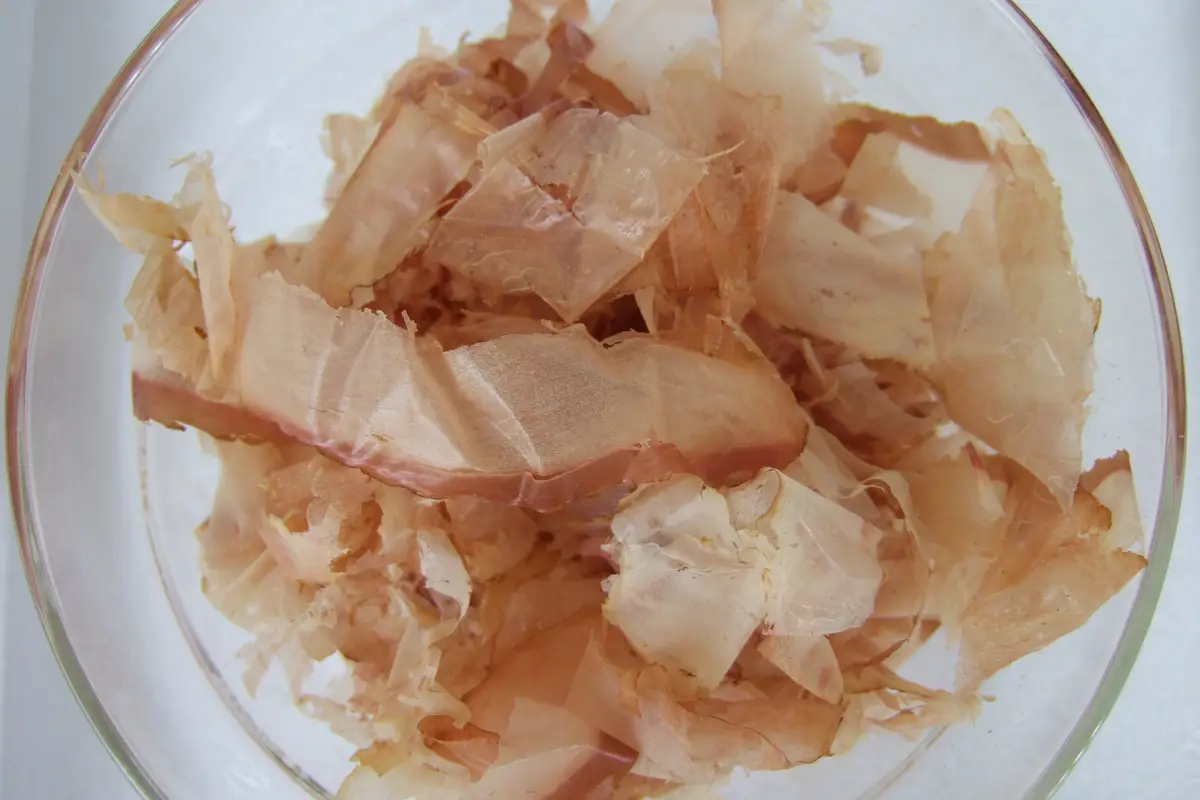
💡 Advance notice is the gift, not the imposition
Vegetarian, vegan, halal, allergies, no raw fish, all normal, and increasingly accommodated. The fear of "being a nuisance" is backwards: hosts would much rather know early than be surprised, because it lets them plan ingredients and adapt the menu. Write it in the booking, and if you can, add a line of detail. The teachers who specialize in this don't see it as a burden; some of them say it's the very thing they love to do.
🟢 The Meal Together: One Word Is the Whole Reward
The honest answer: in most classes you sit down and eat what you made, often with the teacher. You don't need a speech. A single "delicious," an itadakimasu, even an empty plate and a second helping: that's the thing teachers remember.
This is the gentlest worry, and the loveliest answer. We eat together afterward? Does the teacher eat too? What am I supposed to say?
Here's what the people who feed others said about what they're hoping to hear.
Of 32 voices about the shared meal and what to say:
Over and over, in almost the same words, teachers and cooks named the same payment they're working for. A cooking teacher:
一口食べて、「おいしい!!」と言う言葉を頂けた時はなにものにも代え難い喜びを感じることができます。 When someone takes a bite and gives me the word "delicious!!", I feel a joy that nothing else can replace. (Cooking teacher)
A professional cook, asked what the job's reward is:
お客様からいただく「おいしかったよ」という言葉が一番嬉しいです。 The words "that was delicious" from a guest are what make me happiest. (Cook)
A chef put both halves of it together, the word and the face:
お客さんから「おいしかった」といわれることです。料理をする楽しみと、料理を食べてくれるお客さんの笑顔。 It's being told "that was delicious." The joy of cooking, and the smile of the guest who eats it. (Chef)
And here's the reassurance for anyone afraid their Japanese (or their words in general) won't be enough: you barely need words at all. One home cook offered the most Japanese answer imaginable about the best compliment they ever got:
無言で食べて一言「おかわり」――これが一番しっくりくる、最高の褒め言葉だと思います。 Eating in silence and then one word — "seconds, please." That's the compliment that fits best, the highest praise of all.
Another gently lowered the bar all the way to the floor:
おいしいと思ったら何か一言言ってほしいな・・というだけでもいいと思いますけどね。 If you think it's good, I'd love just some little word — honestly that alone is plenty.
And if you're wondering why one small word lands so hard, a cook explained what "delicious" actually carries:
美味しいという言葉って、ご飯を作ってくれたことへの感謝の意味も込められていると思ってて。 I think the word "delicious" also carries the meaning of thank-you for making the food.
That's why this is the easiest win in the whole class. You made something, you sit down together, and you say one word, or you say itadakimasu before you eat, or you simply clean your plate. Any of it lands. If you want to learn the one phrase that does the most work here, it's the one in our piece on the power of saying itadakimasu, and the broader reason a simple compliment carries so far in Japan is in why your compliments change Japan. The rare negative voices (3%) weren't teachers being demanding. They were home cooks quietly admitting that silence is the one thing that stings. Which tells you everything: the bar isn't a perfect review. It's just letting them see that you enjoyed it.
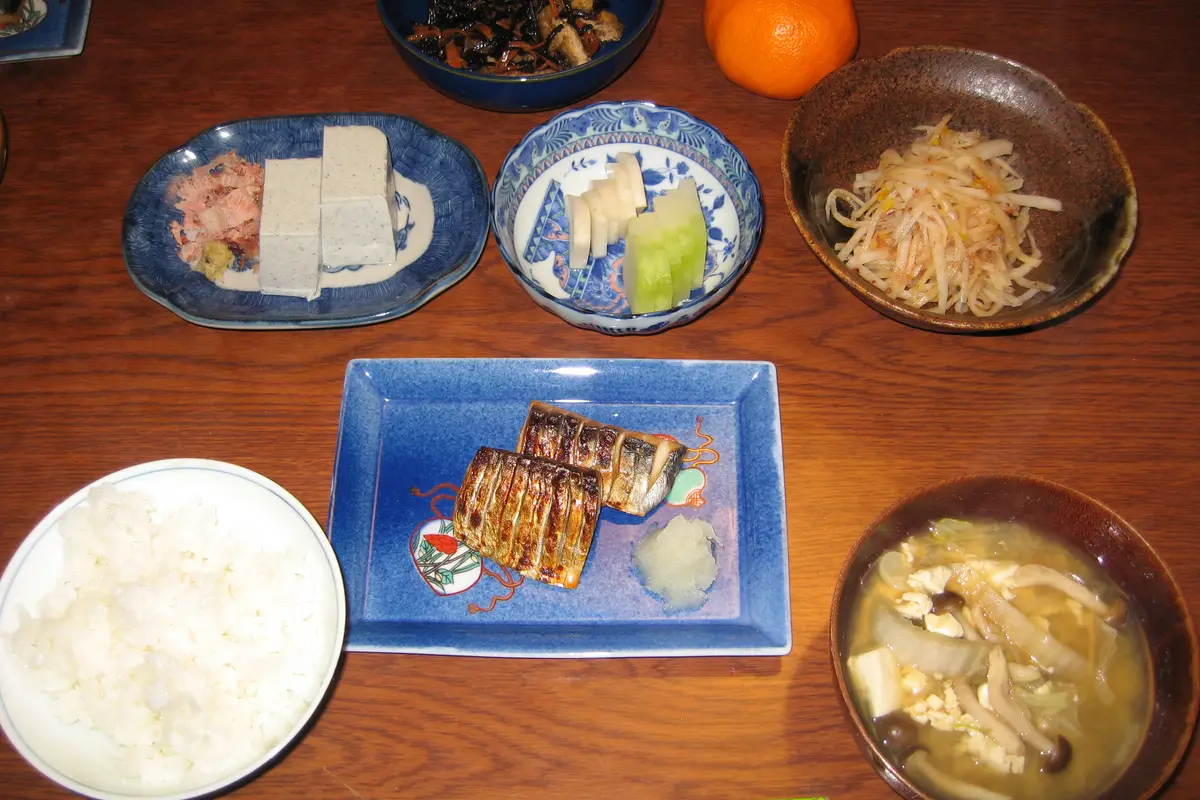
💡 One word is the payment they're working for
Most classes end with everyone eating what they made, teacher included. You do not need a review or a sentence in Japanese. "Delicious," itadakimasu, a cleaned plate, a request for seconds: each one lands fully, because the word carries thanks inside it. The only thing that ever disappoints a cook is silence. So enjoy it out loud, in any language. That's the whole reward they signed up for.
What Generations Reveal: Who's Teaching Has Quietly Changed
Our generation-focused research (23 voices) showed something the other sections only hint at: the people teaching food in Japan are no longer only professional chefs or stern, traditional masters. A whole new layer has opened up: home cooks, retirees, and homemakers welcoming travelers into their kitchens, and it has shifted the entire feel of a cooking class toward warmth and play.
On one side, the traditional craft is loosening up to meet visitors. A sushi chef who runs his counter with his wife now opens it for hands-on classes in the gaps between service, working a translation app:
旅行者にお寿司を提供するだけではなく、一緒に寿司作りが出来れば、もっと海外からのお客様に喜んでもらえるのではないか? Not just serving sushi to travelers — if we could make sushi together, wouldn't overseas guests be even happier? (Sushi chef and host)
On the other side, the new hosts are often people who'd never call themselves teachers at all. The platforms that match them report that around 30% of hosts are over 60, and more than half are homemakers, part-timers, or retirees. One host who began with pure curiosity, "but it sounds fun!", now frames her work in the biggest possible terms:
ライバルは料理教室ではなくてUSJだと思ってます。だって、食には世界を平和にする力があるから。 I think my rival isn't other cooking classes — it's a theme park. Because food has the power to make the world peaceful. (Cooking-experience host in Osaka)
That line captures the whole shift. The old frame was learn a technique. The new frame is share an afternoon you'll both remember. A homemaker in Yokohama who just qualified to teach washoku to visitors caught the nervous excitement of this new generation of hosts perfectly:
英語はしどろもどろで…これから、外国人向け料理教室を開催していけることにワクワク、ドキドキしています。 My English is a stumbling mess… and I'm thrilled and nervous about getting to run cooking classes for visitors from here on. (Home-cooking host in Yokohama)
What this means for you: the person teaching your class is, more and more often, someone who chose to open their kitchen out of curiosity and goodwill, not someone testing whether you're worthy of the craft. One host who has welcomed foreign guests for years put it as plainly as anyone could to nervous travelers:
皆さん、本当に温厚でマナーが良い方ばかり…思いやりのある旅行者に出会えることの方がずっと多い。何も心配はいらないですよ。 Everyone is genuinely gentle and well-mannered… far more often than not, I meet thoughtful travelers. There's nothing at all to worry about. (Home-cooking host)
What Japanese Teachers Actually Remember
After reading all 174 voices, the things teachers, hosts, and cooks said they remember about a good guest were never about skill. They were small.
- A single word at the table. Oishii. Itadakimasu. Even mispronounced, even silent-then-"seconds-please." It carries thanks inside it, and it's the reward they're working for.
- Hands that keep trying. Not skilled hands. Willing ones. The clumsy roll, attempted with goodwill, is the one they smile about later.
- A heads-up about what you can't eat. Told early, it's a kindness rather than a complaint, and it lets them take care of you properly.
- An attempt to connect. A word of Japanese, a gesture, a laugh when it goes wrong. The language barrier melts faster than anyone expects when you're both moving your hands.
- That you actually enjoyed it. Not that you performed. That you were there, present, and glad you came.
You are the guest, and you are meant to enjoy this. The teacher has already done their part: chosen the dish, prepped the kitchen, set out the tezu bowl. The only "skill" that really matters is your willingness to get your hands messy and laugh when it's delicious. This is the same warmth you'll find waiting at the door of a Japanese home (the kind we wrote about in why removing your shoes makes Japanese people smile), and it's the same spirit that runs through a stay at a traditional ryokan, where your host watches your effort, not your form. If you're traveling as a family, a hands-on class is also one of the easiest, most joyful things to do with kids in Japan.
教えたことが文化として受け継がれるとうれしいですね。 It makes me happy when what I taught gets carried on as culture. (Home-cooking host)
That's the cooking class in one sentence. You don't carry it on by being perfect. You carry it on by trying, and by saying it was delicious.
More Japanese Perspectives
Curious how Japanese people actually feel about the other small moments of a visit? These articles explore what hundreds of real voices have written.
- Staying at a Ryokan: What Your Host Wishes You Knew: The same "effort over form" spirit, from the people who run Japan's traditional inns. A natural companion if your trip mixes food and lodging.
- The Power of Saying Itadakimasu: The single phrase that means the most at the table you'll share after class.
- Why Your Compliments Change Japan: Why one honest "delicious" lands so much harder than you'd think.
- Do I Need to Speak Japanese?: The bigger picture on the language worry that stops so many people from booking.
Share Your Experience
Taken a cooking class in Japan, or hosted one? Maybe a sushi roll that fell apart but tasted perfect, a teacher who taught you entirely through gestures, or the moment you sat down and said your first oishii? We'd love to hear it. Your story helps build a bridge between cultures.
Share your experience on Voice Box →
Sources
Primary Research Data
- WMJS cooking-class research data (174 Japanese-language voices collected June 2026)
- Not speaking Japanese: 23 voices
- Being clumsy / a beginner: 38 voices
- Touching food with bare hands: 31 voices
- Dietary restrictions: 27 voices
- The shared meal and what to say: 32 voices
- How teaching food is changing across generations: 23 voices
Opinion Collection Sources
The following sources were used to collect Japanese people's opinions and sentiments. These are not cited as factual authorities but as platforms where real Japanese people (teachers, hosts, cooks, and home cooks) expressed their views on cooking classes and food experiences.
Not speaking Japanese:
- Public Japanese host-platform FAQs, cooking-school pages, blogs, and news interviews: first-hand statements from hosts and teachers
- https://airkitchen.me/hostfaq/article/46.php
- https://airkitchen.me/ja/guestfaq/article/8.php
- https://airkitchen.me/wp/?p=1236
- https://prtimes.jp/main/html/rd/p/000000022.000032842.html
- https://www.nihonbashi.cc/inbound/
- https://sushi-school.tokyo/course/taiken.html
- https://www.nikikitchen.com/faq
- https://www.gaiax.co.jp/blog/nagare-05/
- https://www.gaiax.co.jp/blog/tadaku-repot/
- https://ameblo.jp/hitomin666/entry-12323844302.html
- https://www.sushiacademy.co.jp/archives/29872
Being clumsy / a beginner:
- Public Japanese cooking-class pages, cooking professionals' writing, blogs, and Q&A
- https://airkitchen.me/wp/?p=30
- https://www.ism.life/special/inabayukie.html
- https://ameblo.jp/naokitakeuchi39/entry-12889119503.html
- https://cookbiz.jp/soken/career/chiefcolumns1/
- https://healthy-life-design.jp/pickup/5129/
- https://sushi-school.tokyo/course/taiken.html
- https://prtimes.jp/main/html/rd/p/000000051.000032842.html
- https://www.sorisso.jp/school/voice/
- https://ameblo.jp/ja020078/entry-12797272996.html
- https://ameblo.jp/tomiemon2/entry-12885781582.html
- https://ameblo.jp/kana19860416/entry-12915974507.html
Touching food with bare hands:
- Public Japanese Q&A sites, sushi-restaurant columns, and news explainers
- https://sushikano.jp/?p=9999
- https://sushiwalker.com/feature/5425/
- https://www.mag2.com/p/news/234674
- https://sushi-nakashizu.jp/column/e7ef08fa-4ec1-4a1b-b834-9f5553e11f1b
- https://sushiakatsuki.com/column/074baa9a-6aaa-4a07-941c-446243107e6b
- https://kyujitsumeshi.com/nigirizushi-basic/
- https://kufura.jp/life/cooking/248000
Dietary restrictions:
- Public Japanese host-platform FAQs, cooking-school pages, hosts' and chefs' writing, and news interviews
- https://airkitchen.me/ja/guestfaq/article/4.php
- https://osaka-info.jp/spot/washoku-home-cooking/
- https://www.kawaii-cooking.com/jp/
- https://sushi-school.tokyo/course/taiken.html
- https://www.nihonbashi.cc/inbound/
- https://cookingclass.or.jp/classes/130_a.php
- https://ameblo.jp/bentoyacooking/entry-12445276309.html
- https://norikohouse.net/lessons/lessons/
- https://www.travelvoice.jp/20150710-45547
The shared meal and what to say:
- Public Japanese host pages, culinary-school career pages, news features, and Q&A
- https://airkitchen.me/host.php
- https://airkitchen.me/wp/?p=30
- https://airkitchen.me/wp/?p=47
- https://airkitchen.me/wp/?p=1236
- https://www.echiten-gas.co.jp/event-top/teacher/
- https://joboole.jp/archives/ryouri-kyoushitsu-shigoto
- https://www.tsuji.ac.jp/career/shigoto/chourishi/yarigai/
- https://kids.rurubu.jp/article/95996/
How teaching food is changing across generations:
- Public Japanese host interviews, news features, and platform data
- https://airkitchen.me/wp/?p=967
- https://airkitchen.me/host.php
- https://share.jp/host-interview/tadaku_nahoko_ouchi/
- https://www.dreamgate.gr.jp/contents/case/company/28582
- https://ameblo.jp/eripost1025/entry-12649197501.html
- https://www.moneypost.jp/986470
- https://senior.manetatsu.com/article/2025/06/20/213.html
Note on Quotations
Quotes from online platforms have been lightly edited for readability (fixing typos, formatting for clarity). The meaning and intent of each comment remain unchanged. Original sources are linked above.
WMJS is written in Japan, in English, with AI help. We check every page, but English is not our first language. If a sentence reads oddly, tell us. One sentence is enough.
Thank you. A person reads every note.
How well do you know Japan?
Based on 51,218+ real Japanese voices
Want to know more? Ask Japanese people
Have a follow-up question about this topic? We'll ask real Japanese people.
Voice Box →