
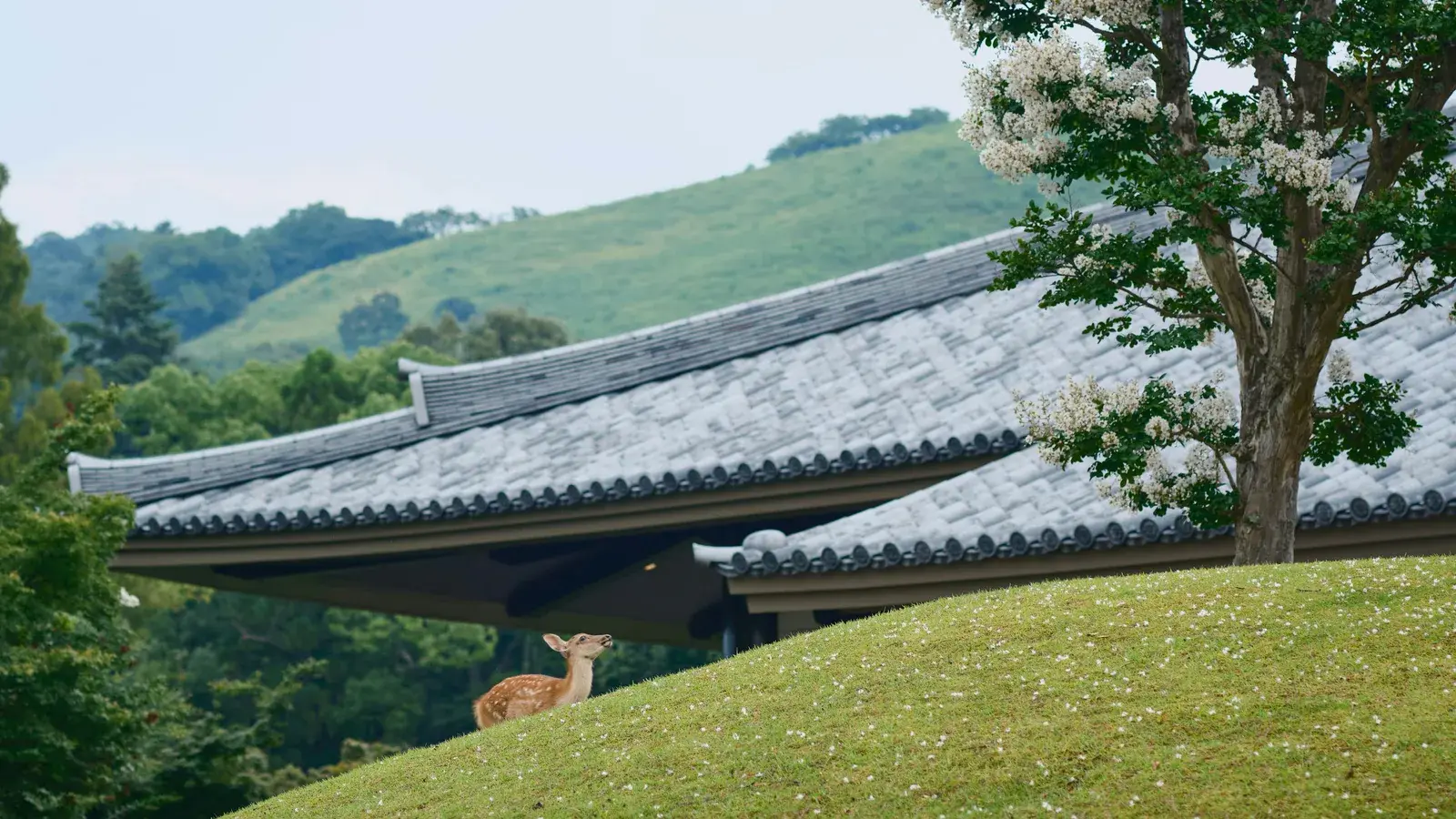
Are the Nara Deer Worth It? What Visitors and the Deer Actually Want You to Know
The bow is the thing everyone has seen: a deer dips its head, you hand over a cracker, the internet melts. So you arrive in Nara half-expecting a petting zoo with manners. Then a deer tugs your sleeve, another head-butts your bag, someone nearby starts screaming, and you wonder whether you've made a mistake.
Here is the short answer, and the rest of this page is really just the long version of it: yes, it's worth it, and almost everything people find unpleasant about the deer is preventable, because the deer aren't being "aggressive." They're being deer.
Is it worth a day? (in visitors' own words)
We gathered the voices of international travelers who have actually been to Nara and asked, in effect, was it worth it? Weighted by how strongly each opinion resonated with other readers, here is how they fell:
The thin red sliver isn't an accident of our sample. It's the whole point. The people who came away disappointed almost always describe something they could have sidestepped: midday crowds, or buying a stack of crackers and getting swarmed. The travelers who loved it tend to say the same few things. One put it plainly: "Just do not buy the crackers and do not have food in your hand, and they won't have much interest in you anyway." Another, on whether to skip Nara for a bigger city: "Nara was my favorite place I visited. I'd personally skip Osaka for Nara."
This surprises people: the deer are often not even the best part. "Todai-ji is one of the most impressive things I've ever seen," one visitor wrote of the great wooden temple and its bronze Buddha; "the shrines, temples, and national museum hold multiple national treasures," said another. The deer get the photos; the thousand-year-old city does the rest, largely unnoticed.
How the people who live with the deer feel
What most guides never show you is what Japanese visitors and locals say, in their own reviews, about the same animals. It is a different and gentler register, and it has a more honest dark edge, too.
Notice that the red bar here is larger than the visitors' one. That is the most useful thing on this page. The Japanese reviews are more candid about the hard moments: one writes, after being knocked down, that "there are more and more aggressive deer now, even when you have no food", precisely because, for them, this is home rather than a holiday. When the people who live with something tell you the downside plainly, that's worth more than a hundred five-star raves.
But the warmth is real and it is the dominant note. "Bow, and they bow back!" one woman in her sixties wrote, delighted, before adding the thing this whole page is about: "Word seems to have spread even among foreign visitors, and lots of people were doing it. Watching that was heartwarming." Another, traveling alone: "It warmed my heart to see everyone minding their manners and being affectionate with the deer." The welcome is not grudging. The only thing being asked of you is how.
What we wish you'd noticed
The bow is not a thank-you. It looks like the most polite animal on earth greeting you, and that story is lovely, but it isn't quite true. The deer have learned that lowering their heads makes humans produce crackers. It is a beg, taught by decades of feeding. Knowing this doesn't spoil it; it tells you something useful. As one traveler learned the hard way: "Don't bow without having food." A deer that bows to an empty-handed you is asking a question you can't answer, and a hungry, crowded deer that feels teased is a deer that nips.
They are wild animals, and Nara says so on purpose. Nara Prefecture's own guidance is blunt: the deer "are used to people, but they are wild animals," and they are a National Natural Monument, a protected national treasure rather than a captive attraction. There are roughly 1,465 of them roaming the park, by the local preservation society's 2025 count. You are not visiting a zoo. You are walking through the home of a wild, sacred herd that happens to have decided humans are interesting.
This is why a bite is almost never the deer's "fault." The single most important fact on this page comes from the official guidance, and it reframes everything: a deer bites when it can see a cracker in your hand but can't get it quickly enough. Frustration rather than aggression. Reported injuries in the park climbed from 50 in 2013 to 180 in 2017 as visitor numbers soared, and officials attribute the rise overwhelmingly to people teasing the deer to get a better photo, dangling the cracker, snatching it back, drawing out the moment. The deer did not get meaner. The crowds got bigger and the teasing got worse. In late 2025 the prefecture put up a 2.7-metre manner sign in English and Chinese right outside the station, and its core request is two words long: don't tease (and don't touch).
Doing it well, the welcomed way
Everything above resolves into a handful of moves that the deer, and Nara, quietly reward.
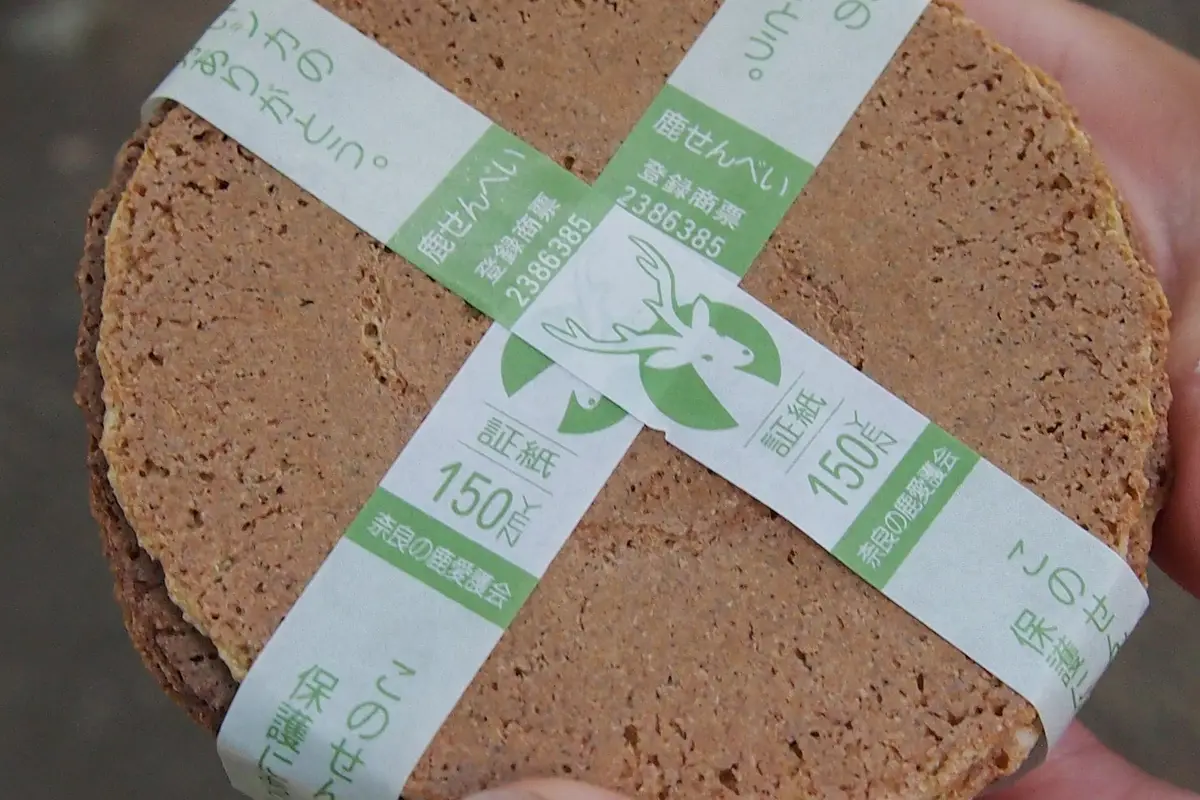
- Decide up front: feed, or don't. If you're not in the mood for the scrum, don't buy crackers at all: empty-handed, the deer mostly ignore you, and you can photograph them in peace. This is the single most-upvoted piece of advice from visitors who'd been.
- If you do feed, feed fast and high. The official rule and the seasoned visitors agree: give the cracker quickly, don't dangle it. "Confidently hold the food up high," as one regular put it. "They can bite if they think you're not feeding them quickly enough." Crumble one cracker into small pieces and a single pack can last your group a surprisingly long time.
- Two open palms means "I have nothing." Show the deer your empty hands and most will understand and move on, a gesture travelers report still works years later. Keep paper and snack bags out of sight, too; the deer will tug a tote, and have been known to taste a map, an umbrella, even a shirt.
- Let a friend hold the senbei while you take the photo. The cleanest way to get the shot without getting nipped.
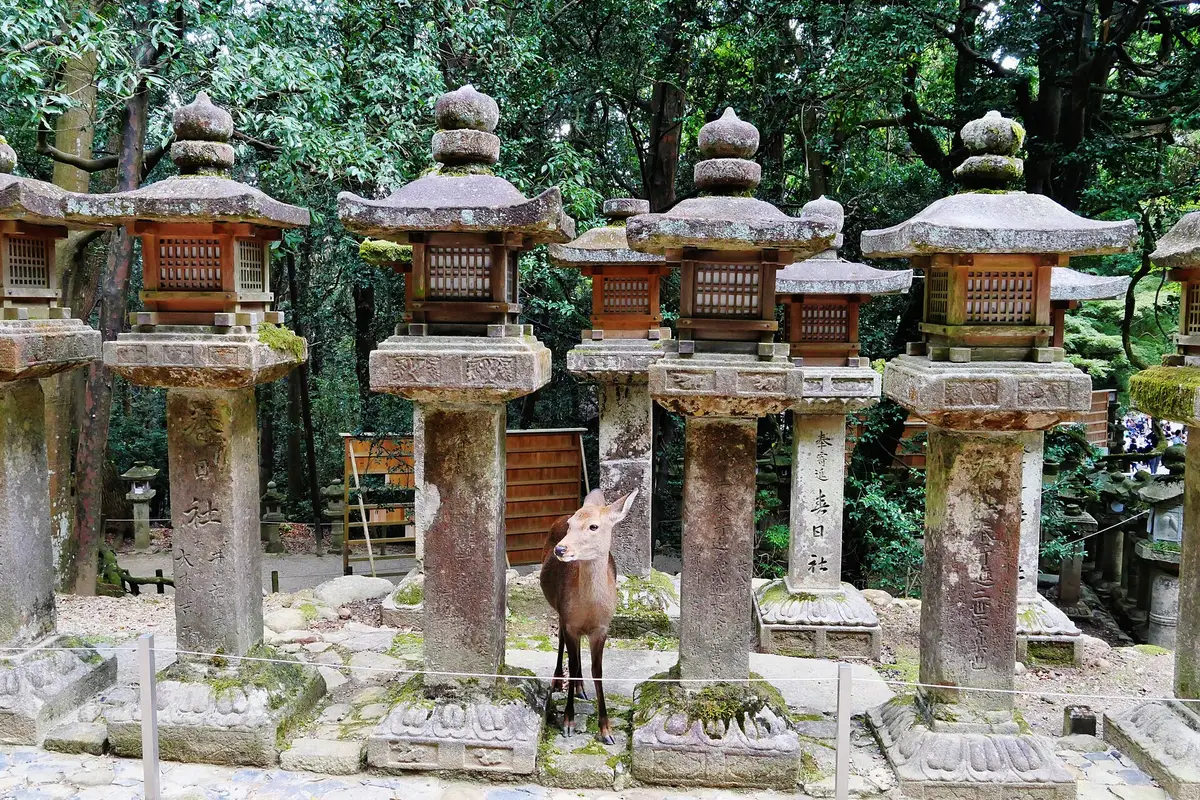
- Choose your deer, and your hour. Visitors and locals say the same thing: the deer crowding the entrance near Kintetsu Nara Station are the boldest, and they're pushiest in mid-morning when the first wave arrives. Walk deeper, toward Kasuga Taisha shrine and the wooded paths, and the deer turn calm and sweet. Go early, or on a weekday, and the whole park exhales. One parent: "Sundays and holidays are super crowded, but on weekdays we could relax."
- In spring and autumn, give them extra room. Officially: mother deer guarding new fawns in spring, and males in the autumn rut, are more easily provoked. Admire from a step further back.
Do these, and the day tends to go the way the heart-warmed reviewers describe rather than the way the bitten ones do. The deer aren't testing you. They're just wild animals who have learned exactly what humans do, which means the calm, unhurried, un-teasing visitor is the one they leave in peace.
Is it worth it, in the end? The crowds are real, the crackers are a commitment, and one in twelve locals will tell you, honestly, that they once got knocked sideways. And still: a thousand-year city, a bronze giant in a wooden hall the size of a cathedral, and a herd of sacred animals that will bow to you in a park you can walk into for free. Come early, keep your hands honest, and Nara meets you gently back.
Still deciding which famous places actually earn a slot on a short trip? Start with what actually matters in Japan, and for the full day among the deer, the Great Buddha, and the lantern path to Kasuga Taisha, the Nara Park audio guide is just below.
Sources
- Nara Prefecture, How to Treat the Deer in Nara Park (奈良公園のシカとの接し方): official guidance stating the deer are wild animals; feed only shika-senbei and give it quickly; bites stem from feeding-frustration; extra care in the spring fawning and autumn rutting seasons; dogs are a natural enemy.
- Nara Prefecture, Nara Park Deer (奈良公園のシカ): the deer are wild animals designated a National Natural Monument rather than captive animals; prefectural population survey.
- Nara City Tourism Association, The Deer of Nara Park: National Natural Monument status; feed only deer crackers; the official explanation that biting comes from feeding-frustration.
- Nara Deer Preservation Foundation, Deer population count (奈良の鹿愛護会): 2025 census, 1,465 deer.
- Mainichi Shimbun, "Don't tease the deer with crackers": Nara Park manner sign (2025-12-05): the multilingual manner sign installed at Kintetsu Nara Station urging visitors not to tease or touch the deer.
- Sankei Shimbun (Nara), manner signs at the deer-cracker stalls: reported deer-related injuries rising from 50 (2013) to 180 (2017), attributed mainly to improper feeding and teasing while photographing.
WMJS is written in Japan, in English, with AI help. We check every page, but English is not our first language. If a sentence reads oddly, tell us. One sentence is enough.
Thank you. A person reads every note.
How well do you know Japan?
Based on 51,218+ real Japanese voices
Want to know more? Ask Japanese people
Have a follow-up question about this topic? We'll ask real Japanese people.
Voice Box →