
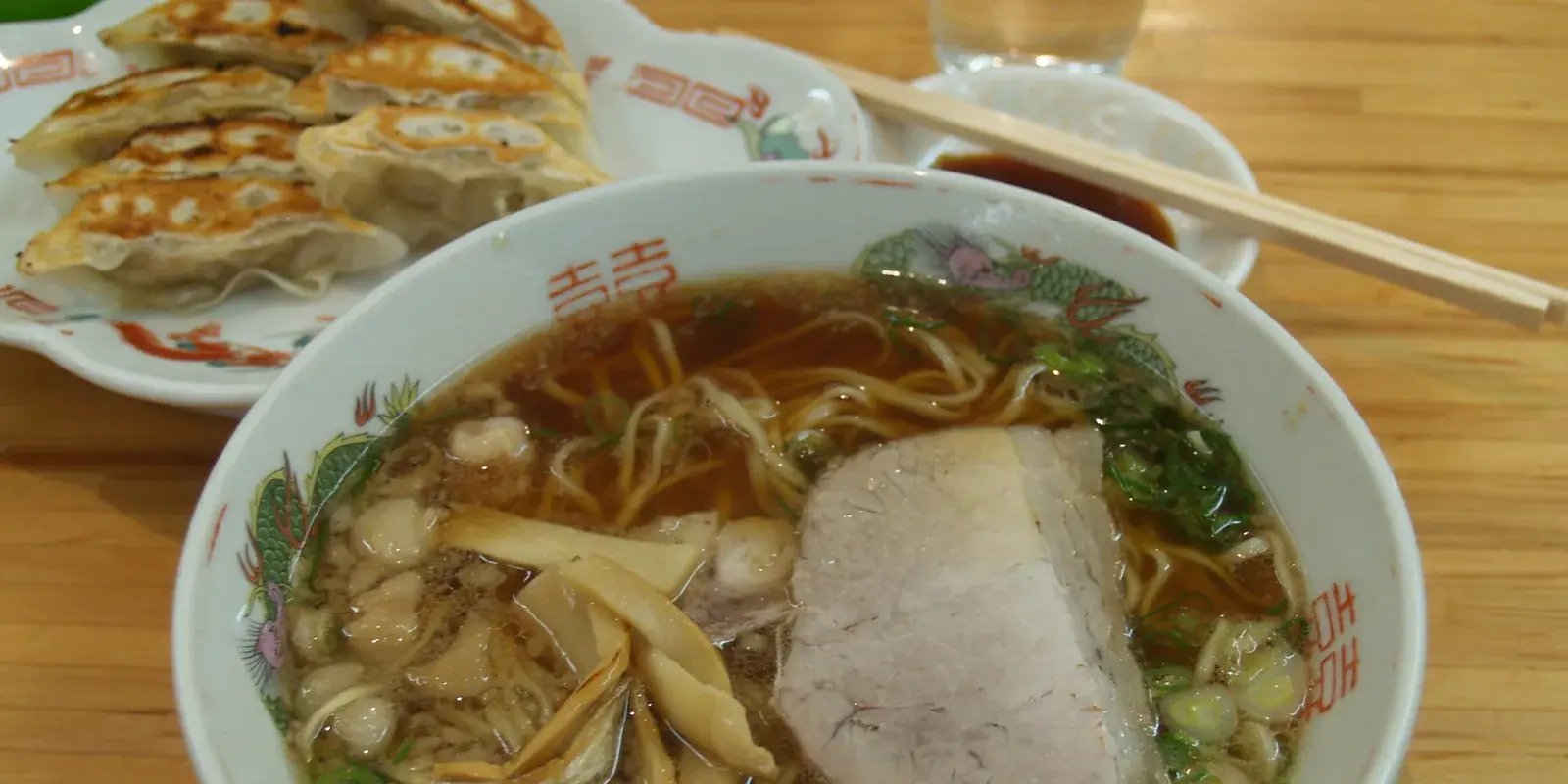
The Ramen Map: What Locals Want You to Know Before You Line Up
What you'll learn in this article:
- How much a bowl of ramen actually costs across 81 Japanese cities, and why Tokyo is surprisingly one of the cheapest
- What 321 Japanese people said about ramen prices, tourist queues, and which shops they'd really recommend
- Why the city that eats the most ramen isn't the one you'd expect, and what "ramen culture" actually means to the people who live it
¥736. That's the national average price of a bowl of ramen in March 2026, the highest it's ever been.
How much does ramen cost in Japan? Government data across 81 cities shows the national average is ¥736 (~$5 USD), ranging from ¥465 in Saitama to ¥879 in Hakodate. Tokyo averages just ¥610, cheaper than 73 other cities. Japan's ramen capital isn't Tokyo or Osaka: it's Yamagata, where households spent ¥25,102 on ramen in 2025 and there are 57.9 shops per 100,000 residents.
But that number hides a story. In Saitama, you can still get a bowl for ¥465. In Hakodate, you'll pay ¥879. In Tokyo (yes, Tokyo) the average is just ¥610, making it one of the cheapest ramen cities in the country.
And the city where people spend the most on ramen each year? Not Tokyo. Not Osaka. Not Sapporo. It's Yamagata: a quiet city in northern Japan with three times more ramen shops per capita than anywhere else.
We took the government's price data, household spending surveys, and market reports, then layered them with 321 real opinions from Japanese people to find out what they actually think about ramen prices, tourist queues at their favorite shops, and where they'd really take you if you asked.
The numbers tell you what ramen costs. The voices tell you what it's worth.
Quick Guide
| What the Numbers Say | What Japanese People Say | |
|---|---|---|
| 🟢 Good news | A bowl of ramen averages ¥736 (~$5 USD): still one of the best-value meals in Japan, and cheaper than most guidebooks suggest | Most Japanese people think ramen is getting expensive too, but they'll still tell you it's worth trying. "ラーメンの代わりはラーメンしかない" ("Nothing replaces ramen.") |
| 🟡 The real story | Prices vary wildly by city: from ¥465 in Saitama to ¥879 in Hakodate. Tokyo averages ¥610, cheaper than Kyoto, Nagasaki, and 73 other cities | 62% of Japanese people now feel ramen is too expensive. But the frustration isn't about the food. It's about a beloved everyday meal becoming a luxury. |
| 🔴 Worth knowing | Tourist queues change the experience: some locals can no longer visit their favorite shops | "行列ができるのも善しあしなんです" ("Lines are a double-edged sword.") Shop owners appreciate tourists but worry about losing regulars. |
The one thing to remember: Japanese people don't think of ramen as "tourist food." It's comfort food, childhood memories, and a 2am ritual after drinking. When you eat ramen in Japan, you're sharing in something personal. That context makes the bowl taste better.
About the Data
📊 Government statistics: Price-per-bowl data is from the Ministry of Internal Affairs and Communications Retail Price Statistics Survey (小売物価統計調査), which tracks actual ramen prices across 81 Japanese cities every month. Household spending data is from the Family Income and Expenditure Survey (家計調査). Market data is from Teikoku Databank's FY2025 Ramen Market Report.
💬 Japanese voices: 321 Japanese-language responses collected from public platforms across five topics: ramen pricing (65), tourist queues (70), local vs. famous shops (62), what ramen means (62), and generational differences (62). Not a scientific survey, but a collection of what real Japanese people said in their own words.
Part 1: The Numbers
All amounts are in Japanese yen (¥). For reference: ¥1,000 ≈ about $7 USD / €6 / £5. Current rates →
What a Bowl of Ramen Actually Costs
The government sends surveyors to real ramen shops in 81 cities every month. They order a standard bowl of shoyu ramen (no fancy toppings, no tourist markup) and record what they pay. Here's what they found in March 2026:
| City | Price | City | Price | |
|---|---|---|---|---|
| 🥇 Hakodate | ¥879 | Nagoya | ¥729 | |
| 🥈 Hiroshima | ¥862 | Yokohama | ¥718 | |
| 🥉 Hachioji | ¥860 | Osaka | ¥761 | |
| Sapporo | ¥858 | Fukuoka | ¥781 | |
| Kyoto | ¥819 | Tokyo (23 Wards) | ¥610 | |
| Naha (Okinawa) | ¥833 | Sendai | ¥530 | |
| National Average | ¥736 | 🏁 Saitama | ¥465 |
Two things jump out of this data.
First: Tokyo ramen is cheap. At ¥610, Tokyo ranks 75th out of 81 cities. That's less than Kyoto (¥819), Nagasaki (¥833), and even Hakodate (¥879). If you're budgeting ¥1,000 for ramen in Tokyo, you'll have change left over at most neighborhood shops. The guidebook image of "expensive Tokyo ramen" doesn't match what locals actually pay.
Second: Sendai is a hidden gem. At ¥530 per bowl, Sendai has the second-cheapest ramen in Japan, yet Sendai residents spend the third-most on ramen of any city in Japan. The math only works one way: they eat ramen constantly. Cheap and delicious enough to become a daily habit.
Where People Eat the Most Ramen
Price per bowl is one thing. But which cities actually eat the most ramen? The government tracks that too: annual household spending on ramen at restaurants:
| Rank | City | Annual Spending | Price/Bowl | Shops per 100k |
|---|---|---|---|---|
| 🥇 | Yamagata | ¥21,695 | ¥834 | 57.9 |
| 🥈 | Niigata | ¥16,863 | ¥760 | 36.5 |
| 🥉 | Sendai | ¥14,207 | ¥530 | – |
| 4 | Utsunomiya | ¥13,592 | ¥630 | 32.1 |
| 5 | Toyama | ¥13,507 | ¥733 | – |
| ... | ... | ... | ... | ... |
| 20 | Tokyo (23 Wards) | ¥9,364 | ¥610 | – |
| 41 | Osaka | ¥7,408 | ¥761 | – |
| 51 | Nagasaki | ¥4,821 | ¥833 | – |
| 52 | Kobe | ¥4,810 | ¥667 | – |
Yamagata dominates. Four consecutive years at #1, and in 2025 alone its households spent ¥25,102, past the ¥22,389 record the city set the year before. Averaged over 2023 to 2025 it still sits at ¥21,695, two and a half times the national ¥8,752. Yamagata also has 57.9 ramen shops per 100,000 residents, triple the national average of 19.2. In Yamagata, ramen isn't a treat. It's Tuesday.
The north-south pattern is striking. The top 7 cities are all in northern or central Japan (Tohoku, northern Kanto and Hokuriku). Osaka, Japan's second-largest city and a food capital, ranks 41st of 52. Ramen spending has almost nothing to do with city size or tourism, and everything to do with local food culture.
How Prices Have Changed
| Period | National Average | Change |
|---|---|---|
| January 2024 | ¥665 | – |
| June 2024 | ¥672 | +¥7 |
| December 2024 | ¥696 | +¥31 from Jan |
| June 2025 | ¥716 | +¥51 from Jan '24 |
| December 2025 | ¥723 | +¥58 |
| March 2026 | ¥736 | +¥71 (+10.7%) |
Ramen has gotten ¥71 more expensive in just over two years: a 10.7% increase. The cause is visible in the industry data: raw material costs, labor, and utilities have risen roughly 30% since 2020, according to Teikoku Databank's Ramen Cost Index (129 in 2024 vs. 100 in 2020).
Yet the market is thriving. The ramen industry is projected to reach ¥885.5 billion in FY2025, an all-time high and 63.4% above the ¥541.8 billion of a decade earlier (FY2015). The top 50 chain operators now run 6,305 stores, up 3.0% from a year earlier. Bankruptcies fell for a second straight year (55 in FY2025, down from the FY2023 peak of 75).
The paradox: ramen is more expensive than ever, but more popular than ever too. What gives? Part 2 has the answer.
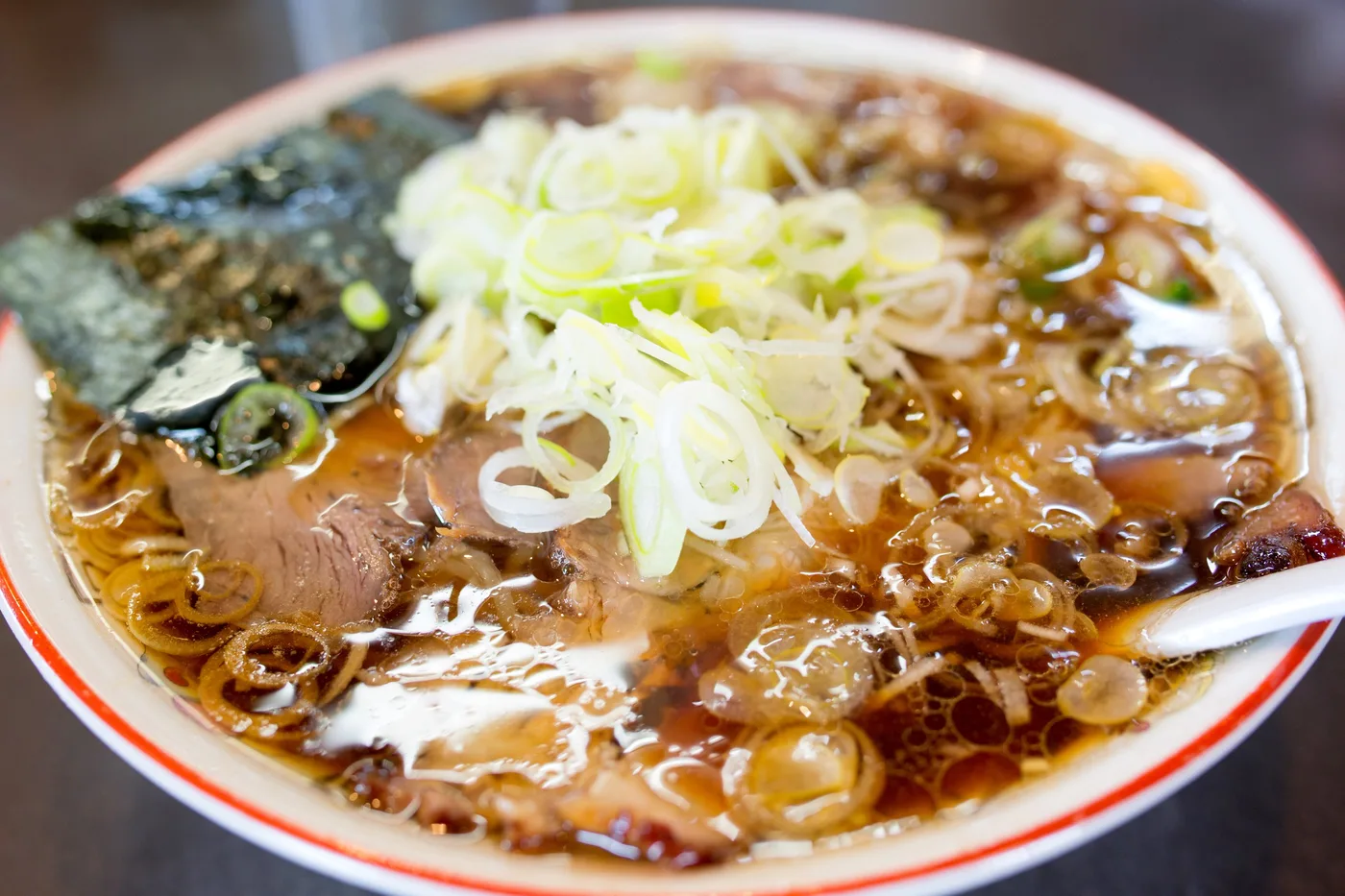
Part 2: What the Numbers Don't Tell You
🌡️ "Is Ramen Getting Too Expensive?"
We read what Japanese people have written about today's ramen prices. Their posts were overwhelmingly clear and conflicted.
The dominant voice is frustration, but it's a very specific kind of frustration. It's not "ramen is bad." It's "ramen used to be ours."
1600円もあったら定食食べるわな
For ¥1,600 I could eat a proper set meal.
ラーメンも高くなったよね。会社のランチで週1〜2で通ってるラーメン屋もどんどん値上げして、とうとう1,000円超えてしまったわ
Ramen's gotten expensive, hasn't it. The shop I'd hit once or twice a week for work lunch kept raising prices, and it finally crossed ¥1,000.
The comparison to set meals (teishoku) came up again and again. For many Japanese people, the mental benchmark isn't "is this ramen good?" but "could I eat better for the same price?" A ¥1,000 ramen competes against a balanced teishoku with rice, miso soup, and a main dish, and for a growing number of people, the teishoku wins.
But then there's another voice, quieter but important:
確かにパスタには1000円以上出すのにラーメンは1000円越すと高いと思っちゃう
It's true — I'll pay over ¥1,000 for pasta without thinking, but somehow ramen over ¥1,000 feels expensive.
This gets at something deeper. Ramen's identity as "the working person's meal" creates a psychological ceiling that other foods don't have. The ¥1,000 barrier isn't really about the money. It's about what ramen is supposed to be.
美味しくて素材もこだわってるなら仕方無いね
If it's delicious and they're using quality ingredients, I guess it can't be helped.
味が値段に見合ってれば良いし、また行くよ。そうじゃないとこは二度と行かない
If the taste matches the price, I'll come back. If it doesn't, I'll never go again.
The 14% who say "still worth it" aren't blind to prices; they've simply decided that quality ramen earns its price. But they're unforgiving if it doesn't deliver.
What the data and voices tell us together: The price ceiling isn't economic. It's emotional. Government data shows the average bowl is ¥736, well under ¥1,000. But the feeling that ramen is too expensive reflects something bigger: a beloved everyday food slowly drifting out of reach. When Japanese people say "ramen is expensive now," they're mourning the loss of a cheap, simple pleasure rather than comparing it to restaurant benchmarks. For visitors, this means your ¥800 bowl isn't a "cheap meal" to the locals sitting next to you. It might be the most they're willing to spend.
🌡️ "How Do Locals Feel About Tourist Queues at Ramen Shops?"
This one stings a little, but it's important to understand.
The strongest voices come from people who've lost access to their own neighborhood shops:
飲んだ後にふらっと寄れたのに、今は1時間待ちが当たり前になってしまった
I used to drop in casually after drinking, but now an hour-long wait is normal.
福岡天神が職場だけど、普通のラーメン屋行っても海外の人だらけ
I work in Tenjin, Fukuoka, and even regular ramen shops are packed with foreign tourists.
But the most revealing voices come from shop owners themselves, caught in what one article called "ありがた迷惑" (arigatai-meiwaku), literally "grateful-annoying":
遠路はるばる来店してくれるのはありがたいんですけど、売り上げ的には正直きついですよ
We're grateful they come from so far away, but honestly, it's tough on revenue.
(Ramen shop owner, Chuo-ku, Tokyo)
行列ができるのも善しあしなんです。もしかしたら、ただ単に回転率が下がっているだけかもしれない
Lines are a double-edged sword. They might just mean our turnover rate is dropping.
(Ramen shop owner)
This is the paradox. Tourist queues look like success, but for a ramen shop that depends on fast turnover and regulars who order without hesitation, a line of tourists who take three times longer to order and eat can actually reduce revenue.
The 16% who feel positive tend to see the bigger picture:
日本のラーメンが世界中で愛されてるのは誇らしい
It makes me proud that Japanese ramen is loved around the world.
お金おとしてもろて
Hey, they're spending money here — appreciate it.
What the data and voices tell us together: The government's retail price survey shows ramen is still under ¥1,000 almost everywhere, but the tourist queue issue isn't about price. It's about access. When 60% of locals feel displaced from their own neighborhood shops, the frustration is real. But it's not directed at you personally: it's directed at a system where the most accessible shops become the most crowded. The solution isn't to avoid ramen. It's to eat like a local: choose the shop two blocks away from the famous one, eat at the counter, and don't linger. You'll get better ramen and a warmer welcome.
🌡️ "Should I Go to a Famous Chain or a Local Shop?"
This is the question every visitor asks, and Japanese people have strong opinions.
The "go local" camp is passionate:
日本人からしたら大した感動なんて無いです。正直あの値段出してまで食べるようなものじゃないです
For Japanese people, there's nothing impressive about it. Honestly, it's not worth paying that price.
福岡や沖縄では一蘭ではなくて、暖暮の方が並んでいました。一蘭は高くて量が少ない
In Fukuoka and Okinawa, people line up at Danbo, not Ichiran. Ichiran is expensive and the portions are small.
Fukuoka locals were the most vocal. For them, ramen is soul food at ¥500-600, worlds away from a ¥1,000 tourist experience. The idea that visitors fly to Fukuoka (the birthplace of tonkotsu ramen) and eat at Ichiran genuinely baffles them.
But the "depends" camp offers a surprisingly empathetic perspective:
逆もしかりです。海外行ったことありますか?日本人が集まる店は決まってます
Think about it the other way. Have you ever been abroad? Japanese people always end up at the same few shops too.
あの仕切りシステムが面白い、注文は紙にチェックするだけだから日本語出来なくてもいい
The partition system is fun, and you just check boxes on a sheet — no Japanese required.
This is the Ichiran paradox. Japanese locals know it's not the best ramen in town. But they also understand why it works for tourists: zero language barrier, individual seating that removes social anxiety, and a consistent product that won't disappoint. Several voices acknowledged that they'd probably do the same thing abroad.
What the data and voices tell us together: Government price data shows that famous chains often charge ¥200-300 more than neighborhood shops in the same city. In Fukuoka, where local shops average ¥781, a bowl at Ichiran costs ¥990+. You're paying a premium for convenience rather than better ramen. If you have even a small sense of adventure, walk one street over from the famous shop. The line will be shorter, the price will be lower, and the person behind the counter will be genuinely happy to see you.
🌡️ "What Does Ramen Actually Mean to Japanese People?"
This is the question that makes the data come alive.
In nearly 80% of these posts, ramen is more than a meal. The voices reveal why:
父が作ってくれた味を思い出すからかな
Maybe it's because it reminds me of the flavor my father used to make.
食べる前が1番美味い
The moment just before you eat is the most delicious part.
地元の八王子ラーメンが好きすぎる!…それしか言えない♪
I love my hometown Hachioji ramen so much! That's all I can say ♪
Ramen memories cluster around three themes: family (dad's cooking, childhood outings), place (hometown pride in local styles), and ritual (the after-drinking bowl, the solo counter seat, the anticipation while waiting).
The comfort food camp captures something universal:
ラーメンの代わりはラーメンしかない
Nothing replaces ramen except ramen.
疲れた時とかストレスが溜まった時に無性にラーメンが食べたくなる。食べると元気が出る
When I'm exhausted or stressed, I get an overwhelming craving for ramen. Eating it gives me energy.
And the "just food" voices serve as an important counterbalance:
美味しいからそれだけです
It's delicious. That's the only reason.
ラーメンはたまに食べるから美味しい
Ramen is delicious precisely because I eat it only occasionally.
What the data and voices tell us together: The household spending data shows Yamagata households spending ¥25,102 on ramen in 2025. That's not because ramen is expensive there (¥834/bowl, only 10th highest); it's because ramen is woven into daily life. The same emotional connection the voices describe (comfort, family, hometown pride) is what drives the numbers in ramen-loving cities. When you sit down at a ramen counter in Japan, you're not just eating a bowl of noodles. You're participating in something that 79% of the people around you consider deeply personal. That's worth knowing before you pick up your chopsticks.
The Ramen Paradox
The numbers and voices together reveal a paradox at the heart of Japan's ramen culture in 2026.
The numbers say: Ramen has never been more expensive (¥736 average, all-time high), more popular (¥885.5 billion market projected for FY2025, also all-time high), or more visible globally (ranked #2 most satisfying meal for foreign visitors to Japan).
The voices say: 62% of Japanese people think ramen is too expensive now. 60% feel frustrated about tourist queues at their favorite shops. And the comparison that keeps coming up isn't "ramen vs. sushi." It's "ramen vs. teishoku," a contest between a cherished identity and cold economic logic.
This tension (between pride and displacement, between global fame and local loss) is the real story of ramen in Japan right now. The ¥1,000 barrier isn't just a price point. It's the line between ramen as everyday fuel and ramen as a special occasion. Cross it, and ramen stops being what it was.
For visitors, understanding this context transforms the experience. When the salaryman next to you finishes his bowl in 8 minutes and leaves, he's not being rude. He's being normal. When the shop owner seems stressed despite a long line, she might be calculating turnover rates rather than celebrating popularity. And when a local tells you to skip the famous shop and try the one around the corner, they're sharing something personal.
The Generation Gap
One more layer the numbers can't show: ramen culture is shifting between generations.
Among the 62 voices we collected on generational differences, 48% identified a clear gap between older and younger ramen eaters, while 18% said ramen connects generations equally.
The sharpest divide is taste:
若い時は家系ラーメンNo.1だったけど今は塩がいいかな
When I was young, ie-kei ramen was the best. Now I prefer shio.
もう消化できる自信がない
I no longer have the confidence I can digest it.
The pattern is consistent: rich, heavy broths (ie-kei, Jiro-kei) skew young, while lighter broths (shio, classic shoyu) attract older diners. That clear, light salt ramen is a regional signature in itself: the northern port town of Hakodate is one of its homes, just as Sapporo is the home of rich miso ramen. Multiple voices described the "kotteri to assari migration," the gradual shift from thick to light broth that happens naturally with age.
But the most interesting trend is a reversal: Showa-style ramen is booming with Gen Z.
Traditional "chan-kei" ramen (the simple, clear-broth chuuka soba that grandparents remember) is trending on social media. Young people aren't being nostalgic (they never experienced it). They're discovering it fresh, the way they discover vintage fashion.
The voice that bridges all generations:
子供の頃食べた屋台のラーメン美味しかった
The ramen I ate from the yatai cart as a child was so delicious.
The charumera horn (the distinctive melody that mobile ramen carts used to play through neighborhoods) is a Showa-era memory that anyone over 50 shares. For younger generations, it exists only as a brand name on instant noodles. But the emotion it carries (ramen as comfort, as community, as a reason to run outside) translates across every generation.
What This Means for You
Based on the data and 321 Japanese voices, here's what will help you eat ramen like a welcome guest:
On price: Budget ¥700-900 for a standard bowl at a neighborhood shop. Under ¥1,000 is the sweet spot where both you and the locals feel good about the price. If a bowl costs over ¥1,000, make sure the quality justifies it: Japanese people apply the same standard.
On queues: If there's a line of mostly tourists, the shop is probably a chain or a guidebook pick. Walk two blocks in any direction and look for the shop with a line of salarymen or no line at all. You'll eat faster, pay less, and taste what locals actually eat.
On ordering: Many shops use ticket machines (食券機 / shokkenki). Insert money, press the button with a picture or the word ラーメン, hand the ticket to the staff. No Japanese needed. If there's no machine, "ramen, onegaishimasu" covers it.
On eating: Eat at a comfortable pace, but know that the average local finishes in 8-12 minutes. Ramen is best eaten hot and fast: the noodles absorb broth and get soft quickly. Slurping isn't just acceptable, it's appreciated →
On gratitude: A quiet "gochisousama" (ごちそうさま, "thank you for the meal") as you leave will resonate more than you think. In a ramen shop where most customers eat silently and leave, that one word stands out.
Sources
Statistical Data (Primary Sources: Directly Analyzed)
All statistical data was extracted from official government surveys and industry reports.
Ministry of Internal Affairs and Communications: Retail Price Statistics Survey (小売物価統計調査・動向編)
- Item: 中華そば(外食), code 2102
- Specification: Shoyu ramen (including tonkotsu-shoyu), dine-in, 1 bowl
- Coverage: 81 cities (prefectural capitals + cities over 150,000 population), monthly
- Data used: March 2026 city rankings, January 2024–March 2026 monthly trend
- City rankings in ¥ (March 2026): Hakodate ¥879, Hiroshima ¥862, Hachioji ¥860, Sapporo ¥858, Kyoto ¥819, Naha ¥833, national average ¥736, Nagoya ¥729, Yokohama ¥718, Osaka ¥761, Fukuoka ¥781, Tokyo ¥610, Sendai ¥530, Saitama ¥465.
- Monthly national average in ¥: Jan 2024 ¥665, Jun 2024 ¥672 (+¥7), Dec 2024 ¥696 (+¥31 from Jan 2024), Jun 2025 ¥716 (+¥51 from Jan 2024), Dec 2025 ¥723 (+¥58), Mar 2026 ¥736 (+¥71, +10.7% cumulative).
- Portal: https://www.e-stat.go.jp/dbview?sid=0003421913
- Survey overview: https://www.stat.go.jp/data/kouri/doukou/3.html
Ministry of Internal Affairs and Communications: Family Income and Expenditure Survey (家計調査)
- Item: 中華そば(外食), 2+ person households, annual spending
- Data used: confirmed 2023-2025 average, full 52-city ranking; confirmed 2025 single-year figures (published 7 August 2026)
- City ranking annual spending in ¥ (2023-2025 average): Yamagata ¥21695 (price/bowl ¥834), Niigata ¥16863 (¥760), Sendai ¥14207 (¥530), Utsunomiya ¥13592 (¥630), Toyama ¥13507 (¥733), Tokyo ¥9364 (¥610), Osaka ¥7408 (¥761), Nagasaki ¥4821 (¥833), Kobe ¥4810 (¥667); national average ¥8752.
- Yamagata single-year annual spending in ¥: 2025 ¥25102, 2024 ¥22389 (previous record).
- Portal: https://www.stat.go.jp/data/kakei/5.html
- Ranking page: https://www.stat.go.jp/data/kakei/rank/singleyear.html
- Annual report table 7-1 (2025, published 7 August 2026): https://www.e-stat.go.jp/stat-search/files?page=1&layout=datalist&lid=000001478746
- Yamagata City official announcement: https://www.city.yamagata-yamagata.lg.jp/jigyosya/miryoku/brand/1017939.html
Teikoku Databank: National Ramen Shop Market Trend Survey FY2025 (全国「ラーメン店」市場動向調査)
- Market size, chain store count, bankruptcy data
- Market size in ¥ billion: 885 (precisely 885.5, FY2025 projected) vs 541 (precisely 541.8, FY2015). Ramen Cost Index (2020=100): 129 in 2024, 100 in 2020.
- Report (published July 1, 2026): https://www.tdb.co.jp/report/industry/20260701-ramen25fy/
- Cost index (FY2024 edition): https://www.tdb.co.jp/report/industry/20250701_ramen24fy/
Town Pages Database: Ramen Shop Density by Prefecture
- Reference: https://todo-ran.com/t/kiji/11806
Japanese Voices
321 Japanese-language responses were collected from public Japanese Q&A sites, forums, and social posts, plus reporting from major media such as Nikkan Gendai, Money Post, Smart FLASH, Nikkan SPA!, and Toyo Keizai, and various blogs. Industry survey data from Gurunavi (n=1,300), Robamimi (n=960), and Asmark was also referenced.
Note on Quotations
Quotes from online platforms have been lightly edited for readability (fixing typos, formatting for clarity). The meaning and intent of each comment remain unchanged. Original sources are linked above. The ¥1600 figure inside the quoted teishoku comparison is the speaker's own words, reproduced verbatim.
A few other ¥ amounts in this article are not separate statistics pulled from the surveys above. The ¥800 and ¥500-600 examples (describing a "cheap" tourist bowl and Fukuoka's everyday soul-food price point) are illustrative reference points, not extracted data. The ¥200-300 premium cited for famous chains is our own calculation, comparing the Fukuoka local average (¥781, from the Retail Price Statistics Survey above) against a chain bowl at Ichiran (¥990+, publicly listed menu price). The ¥700-900 budget range in "What This Means for You" is our own recommendation for visitors, not a government figure.
Important Notes on the Data
The Retail Price Survey tracks a specific product: shoyu ramen (including tonkotsu-shoyu flavor), dine-in only. Miso ramen, shio ramen, tsukemen, and takeout are not included. Actual prices at tourist-facing premium shops may be higher than the survey average.
Household spending ≠ consumption volume: High spending can mean high price × moderate frequency, or moderate price × high frequency. Yamagata's #1 ranking reflects the latter: a moderate price combined with extraordinary frequency.
One vintage, and it is the confirmed one: The full ranking is the government's own 2023-2025 average over 52 cities, the form the Statistics Bureau itself publishes rankings in, because single-year city samples are small enough to jump around. The 2025 single-year figures quoted for Yamagata are the confirmed annual ones published on 7 August 2026 rather than the February preliminary release.
This article is available in languages covering 95%+ of visitors to Japan (based on JNTO 2025 data). Need another language? Let us know through Voice Box.
WMJS is written in Japan, in English, with AI help. We check every page, but English is not our first language. If a sentence reads oddly, tell us. One sentence is enough.
Thank you. A person reads every note.
How well do you know Japan?
Based on 51,218+ real Japanese voices
Want to know more? Ask Japanese people
Have a follow-up question about this topic? We'll ask real Japanese people.
Voice Box →