
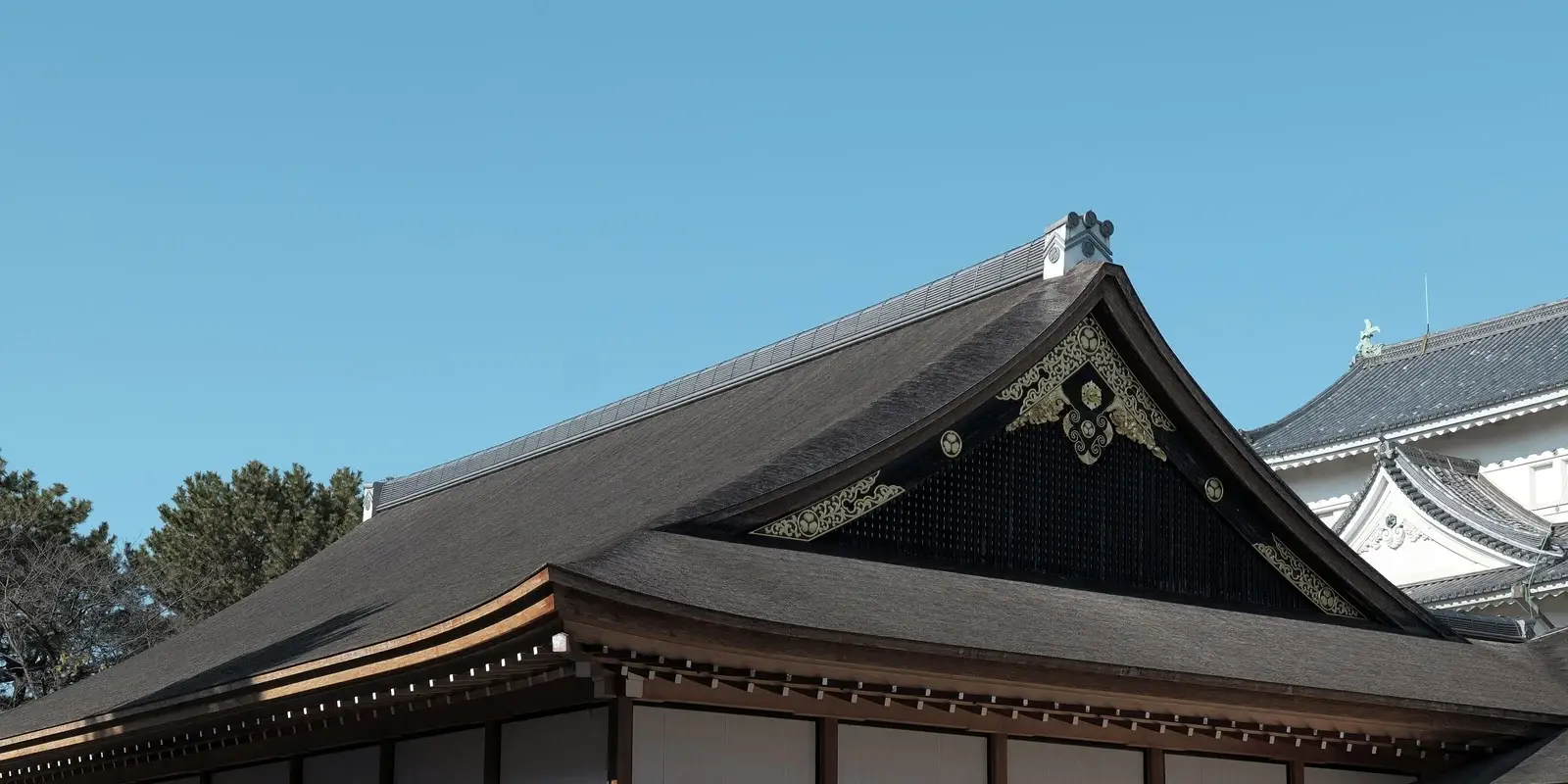
Is Nagoya Castle Worth It? What Visitors Say About a Castle You Cannot Climb
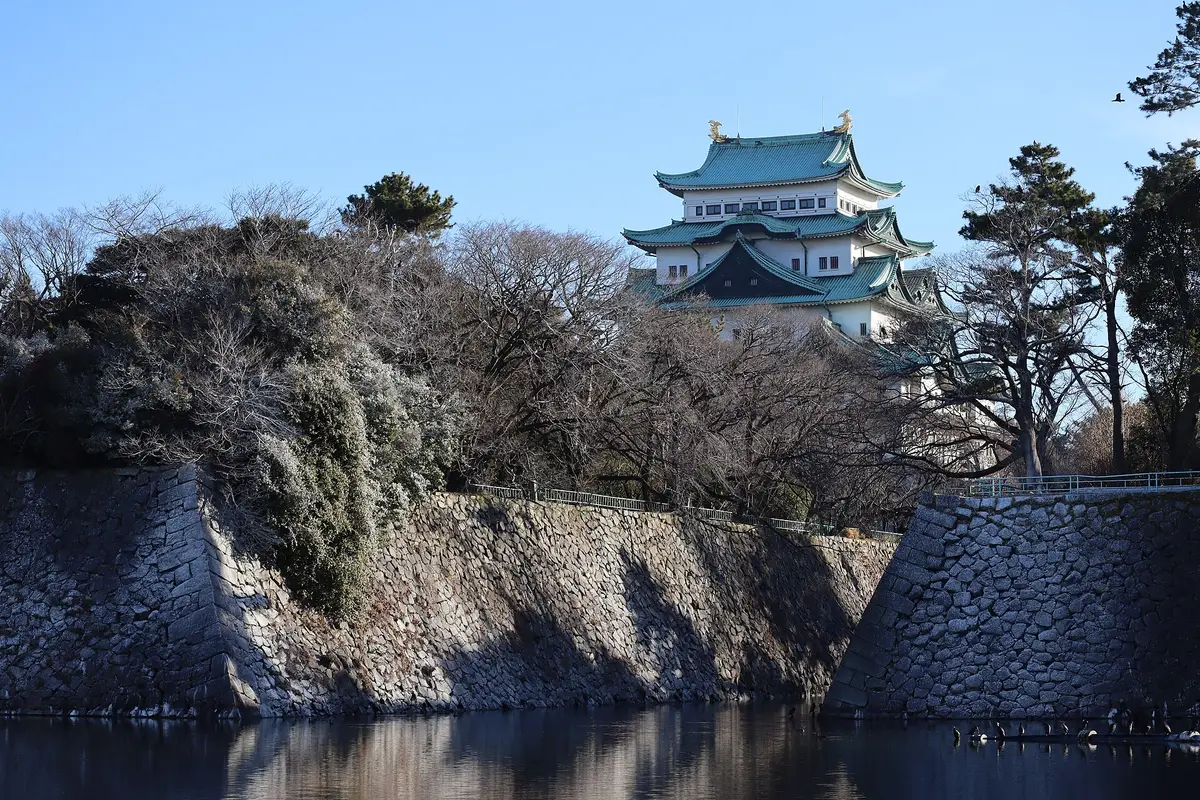
The image that brings people here is the roof: two golden shachihoko, the mythical tiger-fish that ride the ridge, five tiers of green copper tile above a very wide moat. Most people arrive half-expecting to be up there by lunchtime, looking out over the city through a small high window.
You cannot. Visitors have not been allowed into the main keep since 7 May 2018, when the city closed it ahead of the wooden-restoration project, and the castle's front page still carries both halves of the news in one line. On the day we checked it read: Nagoya Castle is open today.(The tower keep and some other structures cannot be entered.)
So the real question is whether a castle you can only look up at is worth your time. Forty-five travellers who went anyway have left a verdict behind, and it is warmer than the closure leads you to expect.
Is it worth it? (in visitors' own words)
We gathered the voices of international travellers who have been to Nagoya Castle and read them with one question in mind: was it worth it? Each voice counts once, whether it arrived as a review or as a reply in a thread. Here is how they fell:
We kept only the voices of people who had actually been, and that changed the picture. We read plenty of others while researching this page and set them aside, and in the threads where travellers are still deciding, the objection that repeats most often is a different one: that this keep is a 1959 reconstruction and Himeji has a real one. None of those posts told us they had been.
Among the people who went, only four of the forty-five felt let down, and three of the four name the same thing. "Came all the way to see the Nagoya Castle to find it no longer allowing visitors to enter the main castle." What was left of the day, in the same review: "You can still walk around the garden (albeit it is small) and enter the museum but that's about it. A tad disappointing." Another, writing on the day they went: "1000 yen for a castle that has been closed for 8 years… Went there today and idk if it’s even worth the 500 for honmaru walk around."
The rest describe a visit that worked anyway, and they tend to agree on why. One of the most-upvoted trip notes puts the whole visit in a single breath: "This is a very large castle and park equal to that of Osaka (IMO), yet not crowded." Then the practical half of it: "NOTE: you can't go inside the castle itself right now, but the grounds are impressive but you can tour the Honmura Palace which is in the park and its an authentic recreation of the 1600 era palace." A reviewer who had braced for a wasted trip: "The castle is closed. Therefore take your time to enjoy the garden with a lovely teahouse. Don't miss the palace! This was a great surprise." And one traveller, asked whether Nagoya was worth a stop at all: "Very much so, refreshingly free of tourists, amazing food, great museums, great castle, fantastic views from up high etc."
How the people who live with it feel
There is a second set of reviews for this castle, written in Japanese for other Japanese travellers. The hard end lands close to the visitors'; most of the difference opens up in the middle.
Five percent against nine is close enough to call the two groups agreed about the worst of it. What is nearly double on the Japanese side is the middle, and that is where the closed keep mostly sits. It turns up in review after review there, stated about as flatly as you would state the weather. One of them runs: "Unfortunately the main keep was under reconstruction and we couldn't enter. It was good that we could visit Hommaru Palace for free." The palace needs no separate ticket, only the castle admission, which is what that reviewer means.
Ten of the 192 come back genuinely unhappy, and eight of those are the closed keep. Four of them say they only found out at the gate, or after paying. One review, from someone whose previous attempt two years earlier had also run into construction, reads: "Like last time, they don't disclose the information until you buy the ticket (maybe they do, but it's not noticeable)". They paid anyway, and said why: "I personally entered (and paid) to support the preservation of cultural property, but I think there are people who enter looking forward to the main keep. I think it would leave a better impression if they gave the information before people pay." One reviewer who had brought a friend to Nagoya for the first time had checked the website beforehand and still arrived to a closed keep, and wished the castle had "stated that more prominently".
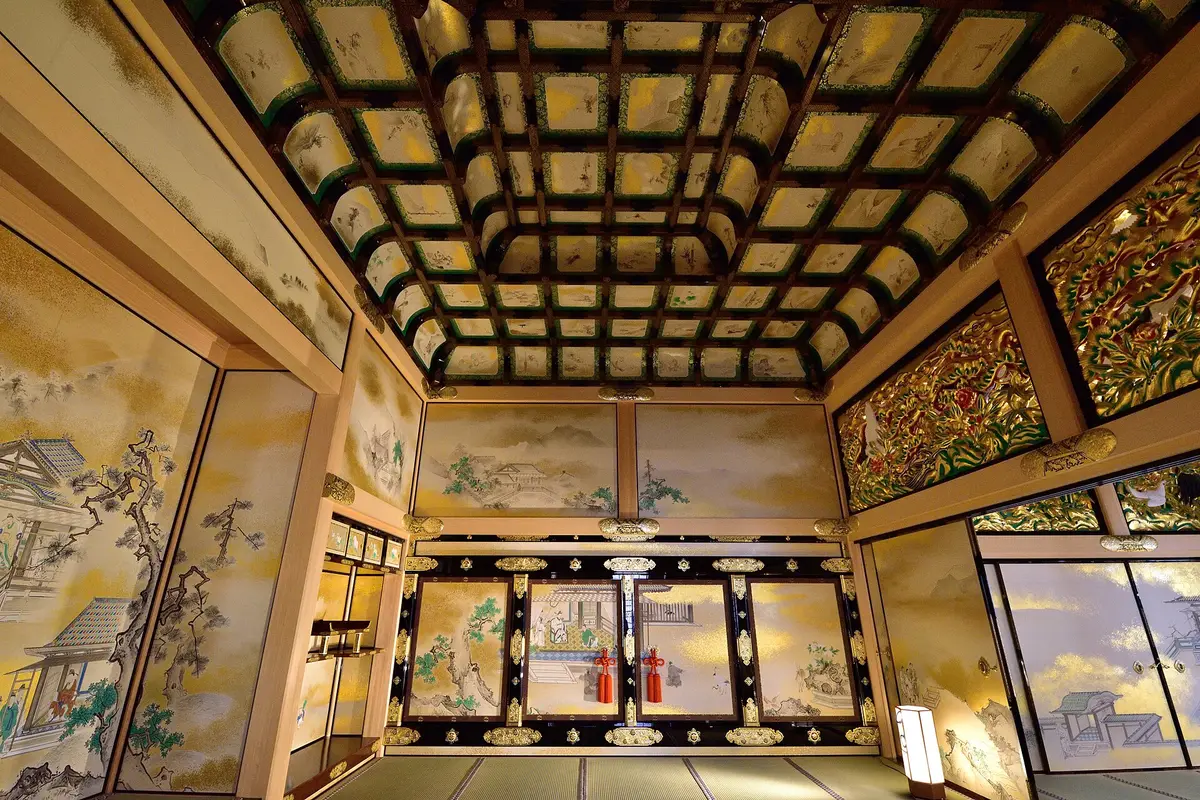
Everyone else walks in already knowing, and the palace is what they write about. "It was disappointing that we couldn't climb the main keep, but the restored Hommaru Palace was well worth seeing." The same reviewer went on: "The ceilings, transoms, decorative metal fittings, and partition paintings were all gorgeously ornate and I was mesmerized." A reviewer taking in the scale of what has been done wrote: "Thanks to the thoughts, skill, and effort of so many people, the reconstruction and restoration were realized, and I was moved. It seems the main keep of Nagoya Castle has not been open for viewing for the past 7 years, but it was still a fully satisfying visit."
What is actually open
Hommaru Palace, which is what most reviewers end up writing about. The residence at the foot of the keep burned with everything else in 1945, and it has been built again in hinoki cypress, with fittings and paintings remade by traditional craftsmen. Work started in 2009; the entrance and the formal audience hall opened in 2013, the reception hall and the kitchen wing in 2016, and the whole palace on 8 June 2018. You take your shoes off at the door. There is no air conditioning, there are no toilets inside, and the lighting is kept deliberately low: the castle explains that this holds an accurate Edo-period atmosphere, and asks you to enjoy the palace in that state. Cameras are welcome inside. Mobile phone use is not allowed there, and the painted doors ask for no flash. One reviewer, who ran out of time, gives the practical warning: "I felt like you could easily spend nearly 2 hours just there."
The grounds, which are larger than people expect. Original Edo-period corner turrets, the stone walls, the moat, the Ninomaru garden, and a museum of castle treasures in the western enclosure. If stairs are the reason you are wary of castles, this is a gentler one: wheelchair access to the palace is to the north of it, and wheelchairs for use inside the palace are available.
Step Nagoya, on Sundays. In a hall reached from the same subway stop, the city has built a full-size model of one flight of the keep's main staircase, made for the engineering trials, and you can climb it. There is a 1:100 model of the keep with its stone base, and a display setting the thickest pillar of the great keep beside the pillar of an ordinary wooden house. Sundays only, 10:00 to 17:00, no extra charge; it closes 29 December to 3 January, and occasionally on a Sunday when trials are running.
The keep, from outside and on your screen. The golden shachihoko are up there, and the clearest view of them is from across the moat. For the inside of the closed tower, the castle publishes a Google Street View walk-through of it, floor by floor.
The ticket, plainly
Admission is ¥500 for an adult, and children up to junior high school age go free. That one ticket covers the whole site including Hommaru Palace, which Japanese reviewers remark on. "First, I was surprised that the admission fee let you go around the entire grounds!" one wrote, contrasting it with castles where the grounds are free and each building inside charges its own admission. One reviewer also points out that a stamp lets you back in, and sends visitors out to the food lanes at Kinshachi Yokocho while they are at it, which is worth confirming at the gate on the day.
From 1 October 2026 the adult ticket becomes ¥1,000, by a revision of the city's park bylaw. Among the posts from people who have not been yet, the change is argued both ways. "This is such a huge increase wow. I don’t think ¥1,000 is worth it just for going around the grounds and seeing honmaru. I mean it’s beautiful but that’s crazy!" runs the most-upvoted comment there; further down, someone else calls ¥1,000 "a nearly insignificant amount for a cool experience." Japanese reviewers are answering the same date by going early: "I heard the admission fee would double starting in October, so I went for the first time during cherry blossom season." If ¥1,000 is more than you want to spend on a castle you cannot climb, going before 1 October costs half of it, and the moat and the outer walls can be walked from outside the ticket gate at any hour. Tickets bought before the change stay valid, though an annual pass bought by 30 September 2026 has to be used for the first time by 30 September 2027.
Last verified: 2026-08. Hours, fees and the restoration schedule all change; the official pages in Sources below are the ones to check on the day.
Doing it well, the welcomed way
- Decide before you reach the ticket window. The regret that comes up most often, from travellers and Japanese reviewers alike, is finding out at the gate that the tower is shut. You are coming for a palace and a park with a closed tower in the middle of them.
- Go to Hommaru Palace early in your visit. Its last admission is 16:00, half an hour before the grounds close, and it is a ten-minute walk from either gate. People who wander the moat first are the ones who run out of time.
- Wear shoes you can slip off. You will be taking them off at the palace entrance, and there are lockers inside the door for anything large.
- Camera out, phone away. Turn the flash off before you go in; staff will help you find the setting if you cannot, and they are used to being asked.
- If it is a Sunday, find Step Nagoya. Climbing one flight of the keep's staircase is as close to the tower as anyone gets at the moment.
- Ask about the volunteer guides, but check the dates. Four reviews in our Japanese corpus describe taking a volunteer guide, and all four are warm: "I found a free guide! I asked for one without hesitation." That visitor wrote that the guide's explanation was easy to follow and left them very satisfied. The castle has posted two notices suspending guiding from 22 June to 23 September 2026, one for its own tourism volunteers and one for the English-speaking Aichi Goodwill Guides, so inside that window plan the visit without one. Outside it, the free English tours leave the Main and East Gates at 12:30 with no reservation.
- Come at opening, or on a weekday. The palace queues at midday in high season, and it is the one bottleneck on the site.
Why the city plans to rebuild the keep in wood
The concrete keep of 1959 served for about sixty years and is closed now for its age and its earthquake resistance. The plan is to rebuild the tower in wood by traditional carpentry. Japanese reviewers standing in front of it mostly write about the wait: one says the restoration method has not been settled, so the work has not moved; another, back after ten years away, says the concrete keep now feels old enough that a rebuild makes sense to them.
The city's stated reason begins with an archive. Nagoya kept an unusual amount of paper about its own castle. From 1932 the city measured the National Treasure buildings in detail and produced 309 sheets of drawings, 71 of them of the great and small keeps. There is the Kinjo Onkoroku, a 64-volume encyclopaedia of the castle compiled by Owari domain retainers between 1821 and 1902, down to room layouts and the positions of pillars. More than 700 glass plate negatives survive from 1940 and 1941, over seventy of them showing the keeps. The city's position is that this material makes a reconstruction faithful to the historical record possible, and that the work doubles as a chance to pass timber-framing skills on to the next generation of carpenters.
The palace at your feet came back from those same drawings and photographs. The tower is a longer wait, and not everyone expects it to arrive: the 2023 basic plan is still a draft, no completion date has been published, and one Japanese reviewer who stood in front of the closed keep last New Year wrote that the argument over how to build it has stalled the whole thing, then asked plainly whether it can really be rebuilt in wood as promised.
If climbing a keep is the point of your day, the travellers still deciding will send you to Himeji, where the original keep is standing. Nagoya's own tower has no published reopening date. What the forty-five who came here anyway describe is a palace rebuilt by hand in cypress and gold leaf, a park quieter than they expected, and two golden fish on a roof nobody can reach; roughly seven in ten came away glad they had gone. A short stop was enough for some of them: "I only visited shortly, but I loved the area. The garden was beautiful :)"
Still working out which famous places earn a slot on a short trip? What actually matters in Japan is where our worth-it pages begin, and Is Osaka Castle Worth It? is the closest comparison to this one: another concrete keep, but one you can pay to go up.
Sources
- Nagoya Castle Official Website (Nagoya City). Daily operating notice: the castle is open, the tower keep and some other structures cannot be entered.
- Nagoya Castle Official Website, Tower Keep Restoration. Keep built 1612; first castle designated a National Treasure in 1930; destroyed in the 1945 air raids; Special National Historic Site 1952; rebuilt in steel-reinforced concrete in 1959 through citizens' contributions; closed after 60 years of service for ageing and earthquake resistance; the 1932 survey drawings, the 64-volume Kinjo Onkoroku and the glass plate negatives behind the wooden restoration.
- Mainichi Shimbun, "Nagoya Castle keep closed to visitors from the 7th" (2018-05-06). The keep closed to visitors on 7 May 2018 ahead of the wooden restoration; the 1959 concrete keep is judged at risk of collapse in a strong earthquake; the closure began with the stone-wall survey the restoration depends on.
- Nagoya Castle Official Website, Visitor Information. Hours 9:00 to 16:30, entry to 16:00, last admission to Hommaru Palace 16:00; closed 29 December to 1 January; adult ¥500 and free for junior high school age and younger; the Aichi Goodwill Guides break from 22 June to 23 September 2026 and the regular 12:30 free tours from the Main and East Gates outside it; subway access via Nagoyajo (Meijo line) and Sengencho (Tsurumai line).
- Nagoya Castle Official Website, Hommaru Palace. Hinoki cypress and craftsman-made fittings and paintings; shoes off at the entrance; no flash photography and no mobile phone use inside; minimal lighting and no air conditioning or toilets, to hold an accurate Edo-period atmosphere; wheelchair access to the north with palace wheelchairs available; open 9:00 to 16:00 and included in the castle ticket.
- 名古屋城公式, 復元の歩み (Hommaru Palace restoration timeline). Construction from 2009; entrance and omote-shoin opened 2013, taimenjo and shimo-gozensho 2016, full opening 8 June 2018.
- 名古屋城公式, 天守閣整備事業の概要 (Keep restoration overview). 309 sheets of 1932 survey drawings including 71 of the keeps; the Kinjo Onkoroku compiled 1821 to 1902 in 64 volumes; over 700 glass plate negatives with more than 70 of the keeps; the city's account of the restoration as a means of passing on traditional timber-frame technique.
- 名古屋城公式, 階段体験館「ステップなごや」 (Step Nagoya). Free admission, Sundays 10:00 to 17:00, closed 29 December to 3 January and on days when trials are run; full-scale model of one flight of the keep's main staircase, the 1:100 keep model and the pillar comparison display.
- 名古屋城公式, 観覧料・駐車場料金の改定について (Admission revision notice). Adult admission changes from ¥500 to ¥1,000 on 1 October 2026 under the revised city park bylaw; written without thousand-separators, that is a rise from 500 yen to 1000 yen; tickets bought before the change remain usable, and an annual pass bought by 30 September 2026 must be first used by 30 September 2027. By that 1 October 2026 date the tower keep, closed to visitors since 7 May 2018, will have been closed for roughly eight years.
- 名古屋城公式, 観覧ガイド 天守閣 (The keep). The keep is closed because its earthquake resistance is low; the interior of the closed keep can be viewed floor by floor through a Google Street View walk-through.
- 名古屋城公式, 名古屋城観光ガイドボランティアの城内ガイド活動休止期間の変更について. The castle's own tourism volunteer guiding is suspended from 22 June to 23 September 2026.
- 名古屋城公式, NPO法人愛知善意ガイドネットワーク(AGGN)による城内ガイド活動休止期間の変更について. The English-speaking Aichi Goodwill Guides Network guiding is suspended over the same dates.
- 名古屋城公式, 天守閣整備事業の進捗情報 (Restoration progress). The 2023 basic plan for the wooden keep is still being refined; no published completion date.
WMJS is written in Japan, in English, with AI help. We check every page, but English is not our first language. If a sentence reads oddly, tell us. One sentence is enough.
Thank you. A person reads every note.
How well do you know Japan?
Based on 51,218+ real Japanese voices
Want to know more? Ask Japanese people
Have a follow-up question about this topic? We'll ask real Japanese people.
Voice Box →