
このページは日本語でも読めます。日本語で読む →
이 페이지는 한국어로도 읽을 수 있습니다.한국어로 읽기 →
這個頁面也有繁體中文版。閱讀繁體中文版 →
这个页面也有简体中文版。阅读简体中文版 →
หน้านี้มีภาษาไทยด้วยอ่านภาษาไทย →
Trang này cũng có bản tiếng Việt.Đọc bằng tiếng Việt →
Halaman ini juga tersedia dalam Bahasa Indonesia.Baca dalam Bahasa Indonesia →
Cette page existe aussi en français.Lire en français →
Diese Seite gibt es auch auf Deutsch.Auf Deutsch lesen →
Esta página también está disponible en español.Leer en español →
Questa pagina è disponibile anche in italiano.Leggi in italiano →
Where to go
Tokyo, beyond the first visit
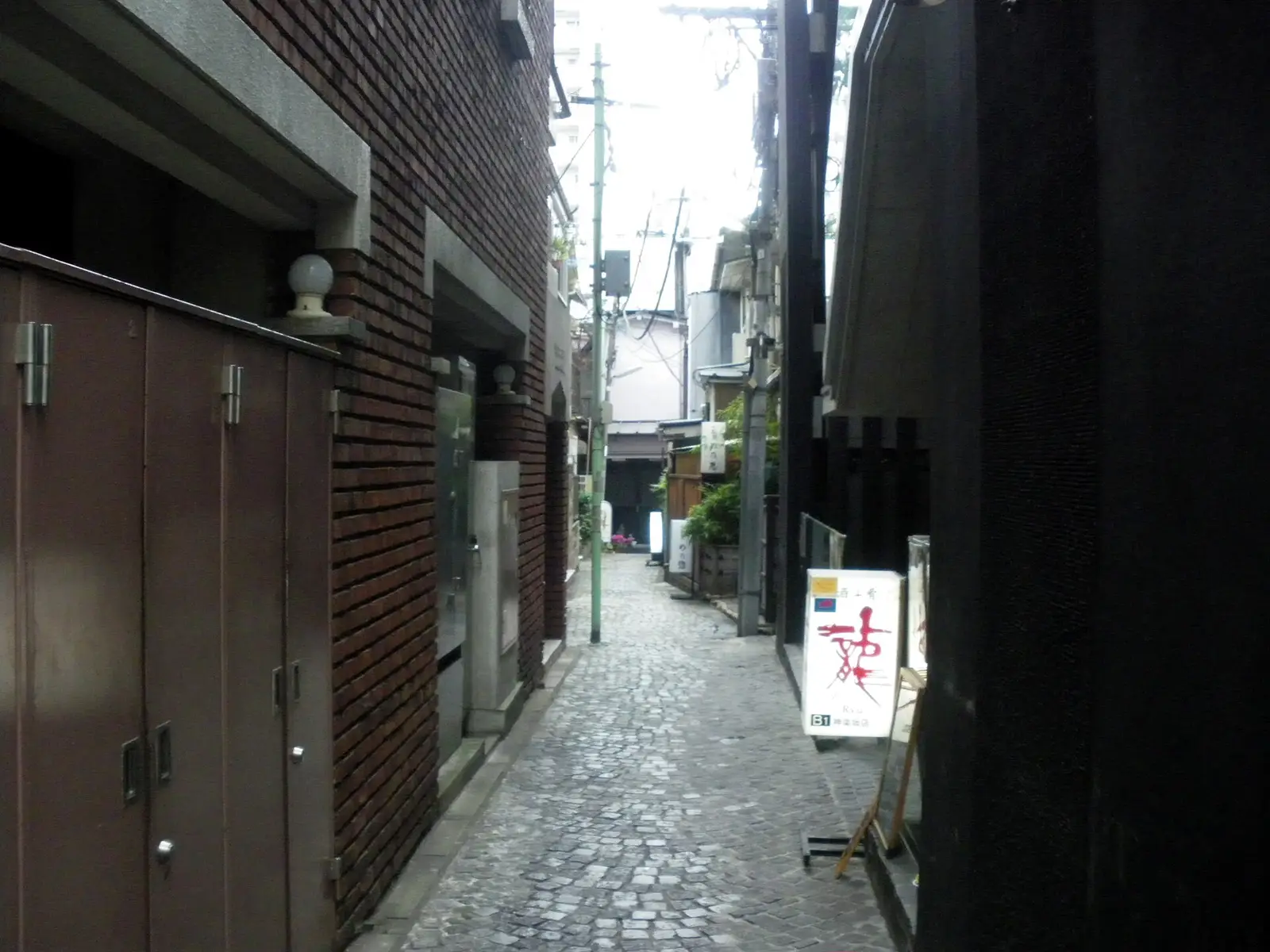
Five neighbourhoods a repeat trip wants to live in, not tick off: Yanaka, Kagurazaka, Kuramae and Kiyosumi-Shirakawa, Shimokitazawa, and Shibuya and Shinjuku at a slower pace
Last verified: 2026-07-21
Days
5 (Yanaka, Kagurazaka, Kuramae + Kiyosumi-Shirakawa, Shimokitazawa, Shibuya & Shinjuku): one city, lived in slowly
Best season
Good in any season; Yanaka Cemetery under cherry blossom in spring and the Kiyosumi Teien maples in autumn are the two moments I'd time a return trip around, but neither is the reason to come
Base yourself
Stay in Tokyo the whole time; Iidabashi sits centrally enough to reach every stop on this route, or split a night or two inside Yanaka or Kagurazaka itself
Getting around
The same IC card (Suica/PASMO) from your first trip; this time lean on ordinary local trains more than express services
Who this plan suits
- First tripNot the focus
- Been beforeGreat fit
- With kidsNot the focus
- SoloGreat fit
- As a coupleGreat fit
- Gentle paceWorks well
When to goYear-round
Good in any season; Yanaka Cemetery under cherry blossom in spring and the Kiyosumi Teien maples in autumn are the two prettiest windows, but neither is the reason to come.
By a second or third trip, most people have already stood in the Shibuya scramble and climbed the steps at Senso-ji. What tends to open up next has less to do with new landmarks and more with how you move through the city you already sort of know. Ask someone who keeps coming back to Tokyo where they actually go, and the answer is almost never a landmark. It's a station they'd never heard of, an exit they took by accident, a street that kept being interesting one turn further than they meant to walk.
I'd spend this stay living in five neighbourhoods that keep coming up in that answer. Yanaka is the old wooden shitamachi that the 1923 earthquake and the wartime fires both happened to miss, so its lanes are not a rebuilt memory of old Tokyo, they're the real thing, still standing. Kagurazaka is a former geisha quarter whose stone alleys now hold French bistros as comfortably as they once held teahouses. Kuramae and Kiyosumi-Shirakawa were once the shogunate's rice warehouses and a craftsmen's district; today those same streets roast coffee that helped start Tokyo's third-wave scene, and one subway line threads the two together without a change. Shimokitazawa is still dense with small theatres, live houses and secondhand racks, the kind of place where you end up in a shop you hadn't planned to enter. And to close, a slower pass through Shibuya and Shinjuku themselves, the two places a first trip usually only passes through on the way to somewhere else. Nothing here needs a ticket booked months out or an alarm before dawn. The whole point is to slow down.
Where to base yourself
Where to sleep matters more on a trip like this than it did the first time, because the neighbourhoods themselves are the point here, more than the station nearest them.
If I wanted one base that reaches everything on this list reasonably fast, I'd choose Iidabashi. The JR Chuo-Sobu Line and the Tokyo Metro Tozai, Yurakucho and Namboku lines all meet here, and the Toei Oedo Line runs from the same station straight through Kuramae to Kiyosumi-Shirakawa without a change. Kagurazaka is a short walk up the hill from the same station. Yanaka and Shimokitazawa both take one change, but neither is far.
If I wanted to actually wake up inside one of these neighbourhoods, I'd sleep a night or two in Yanaka or Kagurazaka itself. Both have small guesthouses and boutique hotels tucked into their back lanes, and waking up inside the quiet before the day-trippers arrive is a different trip from arriving mid-morning and leaving by dinner.
If Shimokitazawa and a slower Shibuya and Shinjuku matter more to this particular stay, I'd base on the west side instead, in Shimokitazawa itself or along the Keio Inokashira or Odakyu lines nearby. From there Shibuya is a few stops on the Inokashira Line and Shinjuku a short ride on the Odakyu Line, and it's Yanaka and Kagurazaka that become the longer, one-change trip.
There's no wrong choice here. This is a trip built to be rearranged however your week actually goes.
Yanaka
~20 minKagurazaka
~10 min, no changeKuramae
~10 min, no changeKiyosumi-Shirakawa
~35 minShimokitazawa
~10 minShibuya & Shinjuku
Getting around & tickets
The mechanics don't change from a first trip: tap your IC card on, tap it off, and the fare works itself out on JR, the Tokyo Metro and Toei subways, and the private lines you'll use to reach Shimokitazawa. What's different is the scale of the stations. The big interchanges on this route, especially Iidabashi (six lines, several separate street exits) and Shimokitazawa (Odakyu and Keio share the neighbourhood but not a ticket gate), reward giving yourself an extra minute to find the right exit.
I'd also lean less on limited expresses and airport lines this time and more on the ordinary local train that stops everywhere. Watching three or four unremarkable stations go by on a local run is a small, quiet pleasure on a trip like this, and it costs nothing extra over the faster service.
One genuinely useful find for this particular route: the Toei Oedo Line happens to run Iidabashi, Kuramae and Kiyosumi-Shirakawa in that order on a single line, so the Kagurazaka-to-river day in this itinerary needs no transfer at all, just a few stops each way.
Yanaka, Nezu, Sendagi: the old town that got lucky
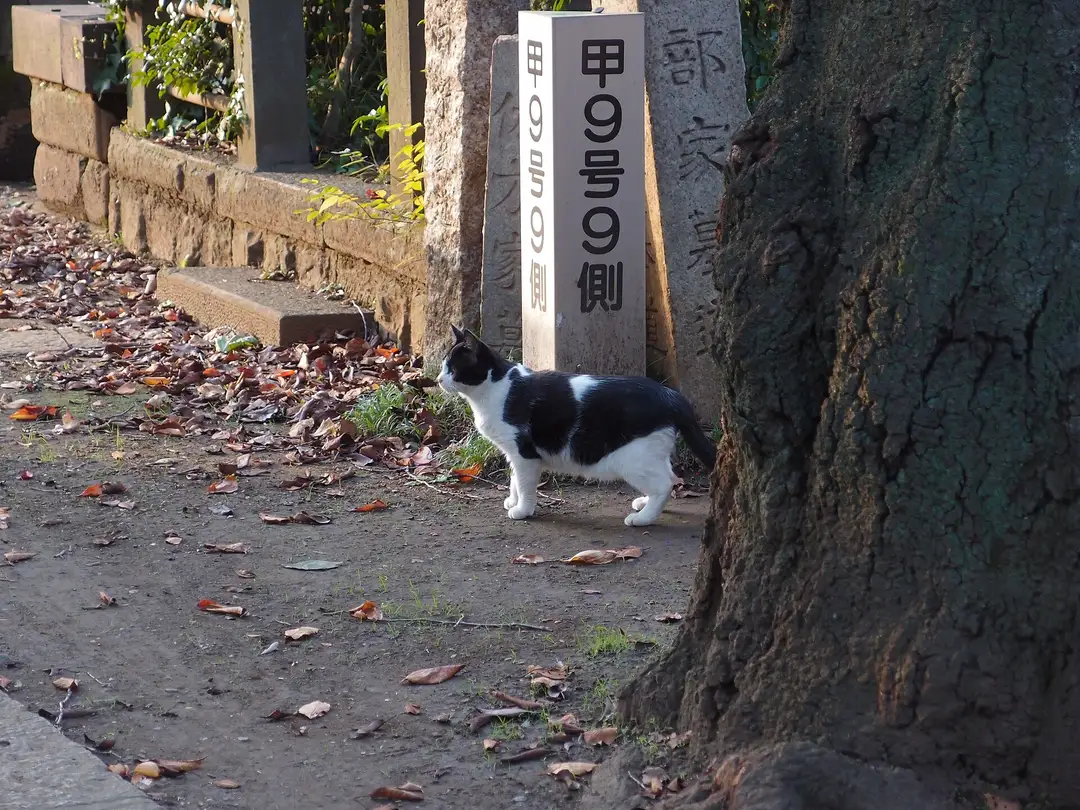
Yanaka doesn't have its own WMJS guide yet, so I'll lay the walk out here directly. Most of Tokyo was rebuilt at least once this century, first after the 1923 earthquake and again after the wartime firebombing, but this hillside stretch north of Ueno happened to miss both. The wooden row houses, the temple town, the narrow lanes that don't run straight for more than a block, none of it is a recreation. I'd give the day to the cemetery's own pace, quiet and unhurried.
- 09:00Yanaka Cemetery, before the day fills inNippori Station (JR Yamanote, Keihin-Tohoku and Joban Lines, plus the Keisei Main Line) sits right at the cemetery's edge; Sendagi Station on the Tokyo Metro Chiyoda Line reaches the other side. The cemetery itself is a public walkway lined with old trees and family plots going back generations, and cats treat the place as their own. No ticket, no gate, just a slow loop among the stones.
- Late morningTenno-ji and the temple lanesTenno-ji sits inside the cemetery grounds and is one of the reasons this became a temple town in the first place. From here the back lanes toward Nishi-Nippori and Nezu are worth wandering without a fixed plan: wooden houses, small galleries in former shopfronts, the occasional public bathhouse still doing ordinary neighbourhood business.
- AfternoonYanaka Ginza and Yuyake DandanThe shopping street is short, maybe a few hundred metres, and sells the kind of things a neighbourhood actually needs: grilled skewers, fresh senbei, a fishmonger, a tea shop. The staircase at its north end, Yuyake Dandan (literally 'sunset steps'), is the spot locals themselves use to watch the light go down over the rooftops.
- EveningKayaba Coffee or a quiet dinnerKayaba Coffee occupies a wooden building from the early twentieth century and has been serving coffee, on and off, since the 1930s. It's a fitting close to a day spent inside a Tokyo that never got knocked down and rebuilt. Return to your base from Nippori or Sendagi Station.
Kagurazaka: the geisha quarter that became Little Paris
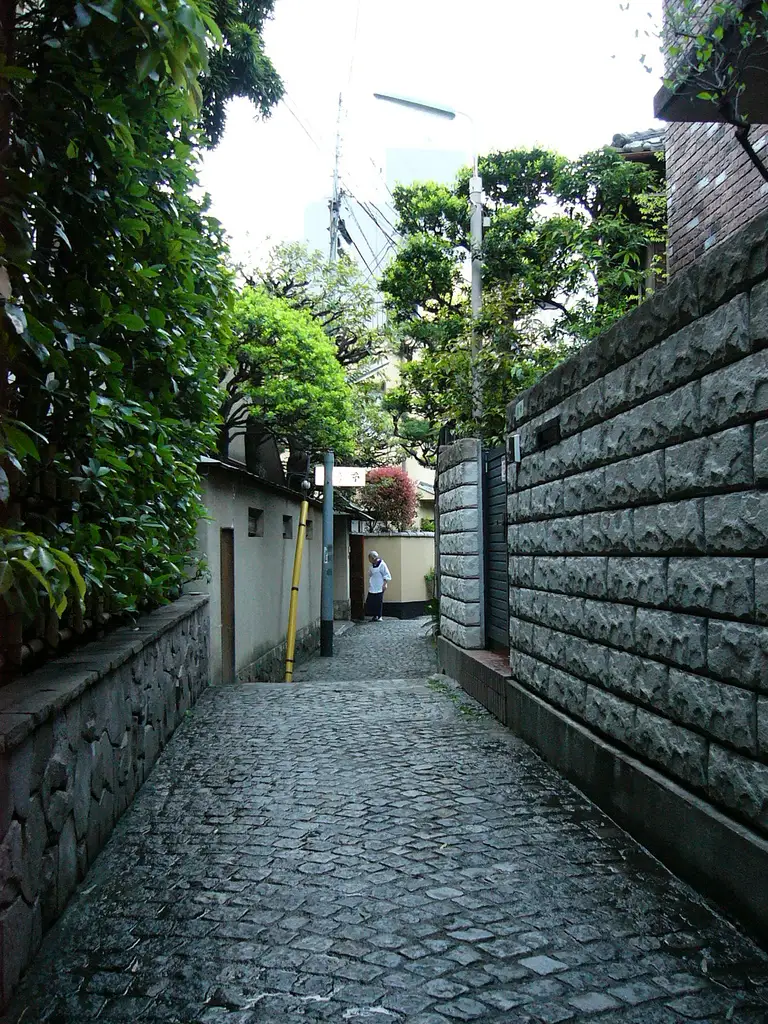
Like Yanaka, Kagurazaka doesn't have its own WMJS guide yet. It was one of Tokyo's hanamachi, the geisha districts, and the stone-paved alleys off the main slope still carry that layout: narrow, deliberately hard to walk in a straight line, the sort of layout built to slow a footstep before a teahouse door. What sits inside those alleys now is French as often as it's Japanese, the legacy of a language institute and bookshop that drew a French community here decades ago. I'd spend the day on foot, starting at the shrine and letting the alleys decide the rest.
- 09:30Up Kagurazaka-dori from IidabashiIidabashi Station (JR Chuo-Sobu Line; Tokyo Metro Tozai, Yurakucho and Namboku Lines; Toei Oedo Line) sits at the foot of the slope; Kagurazaka Station on the Tozai Line is a few minutes further up. The main street climbs gently past craft shops and confectioners toward Zenkokuji Temple, whose bold red hall has watched over the street since the eighteenth century.
- Late morningThe stone alleys off the slopeTurn off the main street into the alleys on the northwest side and the geisha-district layout is still legible: cobblestones, black-fenced ryotei, a hidden bar or two behind an unmarked door. Akagi Shrine, redesigned by the architect Kengo Kuma, is a short walk further and worth the detour for the way old and new sit inside the same small compound.
- AfternoonYarai-cho and the quiet west sideWest of Kagurazaka-dori, the streets get noticeably quieter almost immediately, residential lanes that most day visitors never cross into. It's a good stretch for no particular purpose beyond walking.
- EveningA bistro or a ryotei, your callThis is the one neighbourhood in Tokyo where a multi-course kaiseki dinner and a plate of galettes with cider sit two hundred metres apart and neither feels out of place. I wouldn't call one more authentic than the other; both are what Kagurazaka actually is now.
Kuramae and Kiyosumi-Shirakawa: the craftsmen's river, now roasting coffee
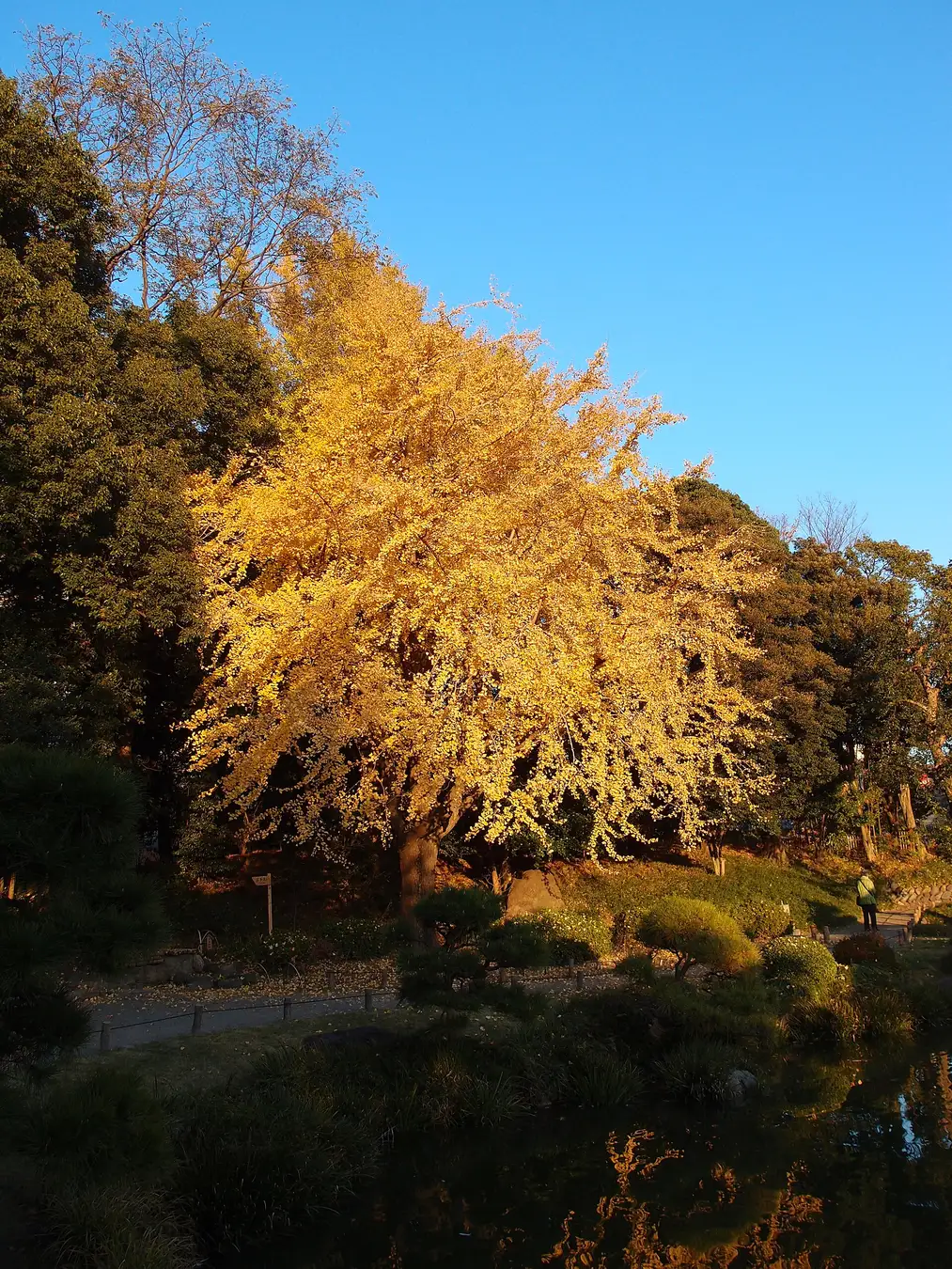
Neither Kuramae nor Kiyosumi-Shirakawa has its own WMJS guide yet, but they share one subway line and one history worth knowing before you go: this stretch east of the centre once held the shogunate's rice warehouses and, later, the workshops of the craftsmen who supplied Edo with hats, shoes, leather goods and toys. Many of those workshops are still standing, just doing different work now. I'd treat the day as one continuous drift south along the Sumida River, powered by a single train line.
- 09:30Kuramae, the craftsmen's district todayKuramae Station (Toei Asakusa Line and Toei Oedo Line) sits in what used to be a wholesale and workshop district; several old workshop buildings have been renovated into small craft shops, stationers and coffee roasters run by a younger generation, while a handful of the original craftspeople still work a few doors down. It's a quiet, walkable stretch with wide sidewalks and few crowds.
- MiddayCoffee, craft, and the riversideThis is specialty-coffee territory: independent roasters occupy former workshop spaces throughout the neighbourhood. A walk along the Sumida River toward Kiyosumi-Shirakawa takes maybe twenty unhurried minutes on foot, or the Toei Oedo Line covers the same ground in a few stops with no transfer.
- AfternoonKiyosumi Teien and the coffee townKiyosumi-Shirakawa Station (Tokyo Metro Hanzomon Line and Toei Oedo Line) is a few minutes from Kiyosumi Teien, a landscape garden built around a large pond with stepping stones set right at the water's edge. The neighbourhood around it is where Tokyo's third-wave coffee scene largely got its start, and the old timber-framed workshop buildings give the cafes a lived-in, unpolished feel that newer coffee districts don't have.
- EveningMuseum of Contemporary Art Tokyo, if the day allowsThe museum sits a short walk north in Kiba Park and is worth checking for a current exhibition before you go, though it's an easy piece to drop if the day has already been full. Either way, ride the Oedo Line back toward your base.
Shimokitazawa: built for wandering into the wrong shop on purpose
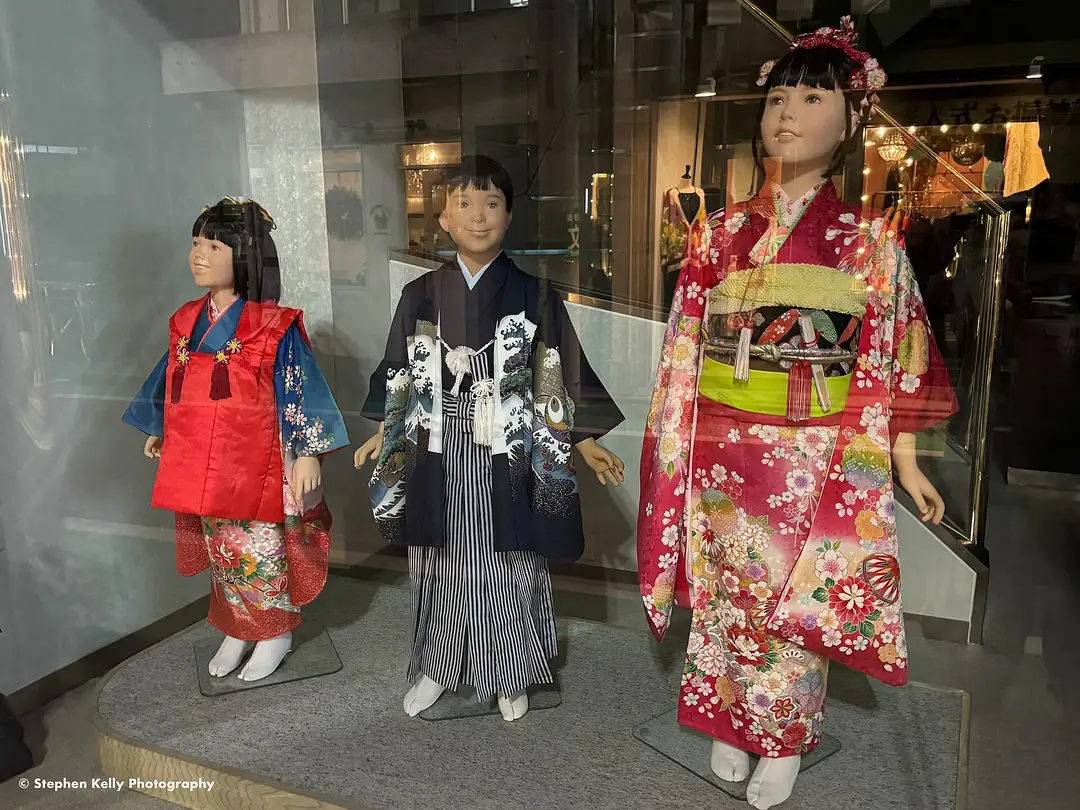
Shimokitazawa doesn't have its own WMJS guide yet, though it's on the list. What it has instead, right now, is density: hundreds of secondhand and vintage shops packed into an area you can walk end to end in a matter of minutes, plus small theatres and live houses tucked behind unmarked doors on nearly every block. A Japanese walking-culture magazine described the local logic of the place: step into a shop you wouldn't normally enter and there's a real chance you leave having found something, a record, a band, a play, you didn't know you were looking for.
- 10:00Arriving without a shopping listShimokitazawa Station is shared by the Odakyu Odawara Line and the Keio Inokashira Line, though the two operators keep separate gates. Some longtime visitors say the neighbourhood has changed since its scrappier years and feels busier and more polished than it did. It's still one of the densest wandering grounds in the city.
- MiddayThe lanes north and south of the stationThere's no single main street to follow; the shops, cafes and secondhand racks spread through a grid of narrow lanes on both sides of the tracks, no two blocks quite the same.
- AfternoonBonus Track and the rebuilt rail corridorWhere the old surface tracks used to run between Shimokitazawa and Setagaya-Daita, the corridor has been rebuilt into a pedestrian strip of small food stalls and shops, a genuinely pleasant stretch to end an afternoon of walking.
- EveningA live house or a small theatreIf a band you've never heard of is playing a live house, or a small theatre has a same-day ticket, that's the Shimokitazawa move: go in without knowing what you're about to see.
Shibuya and Shinjuku, at a different pace
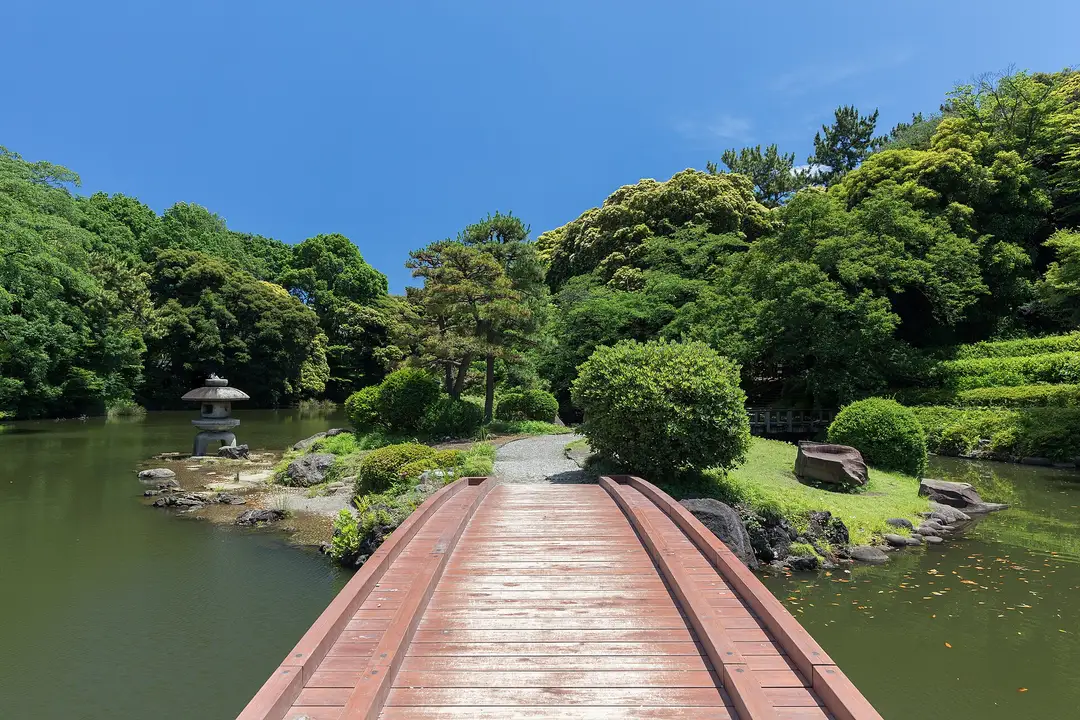
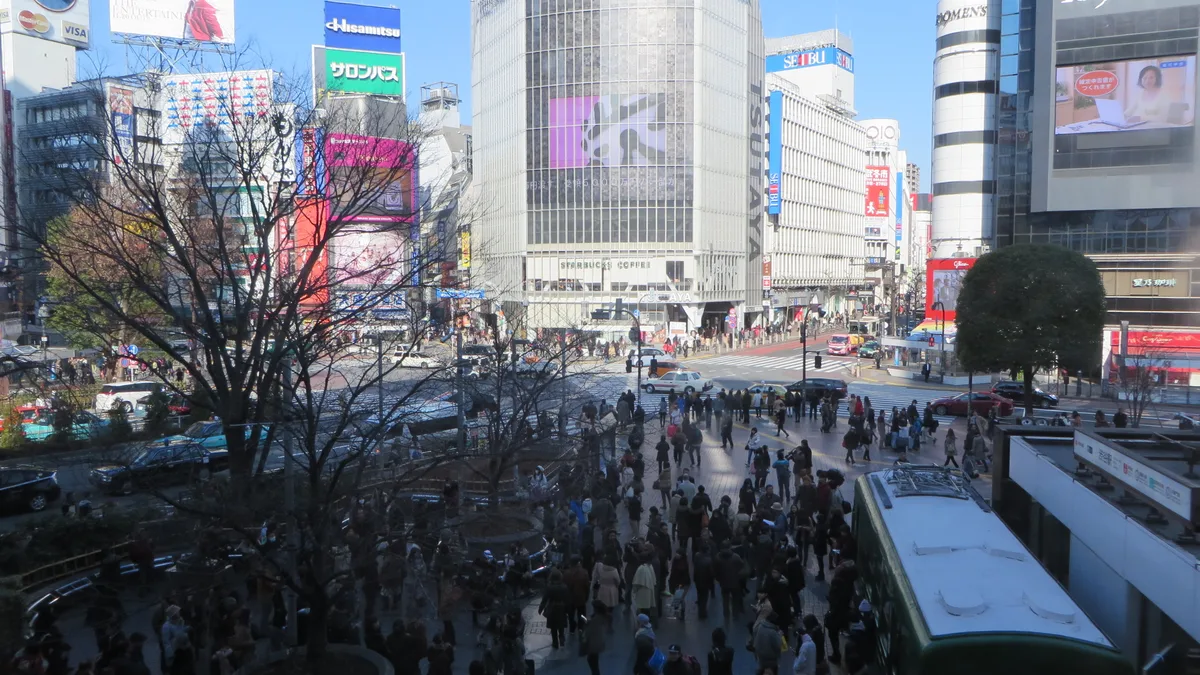
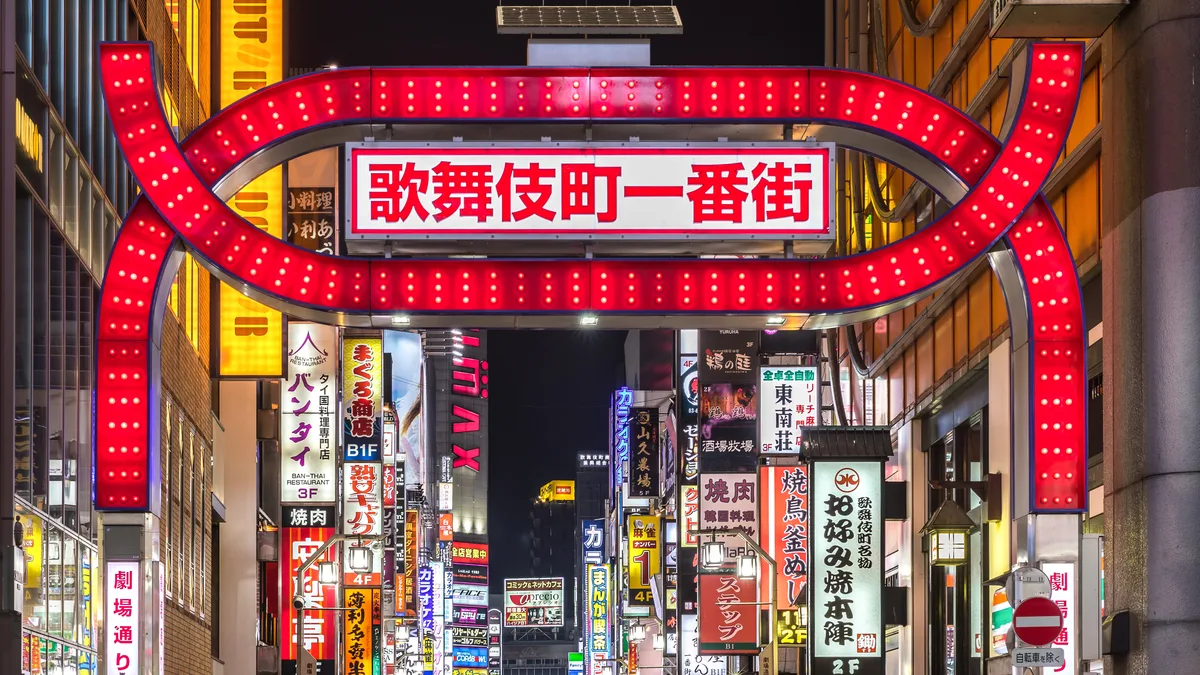
Shibuya and Shinjuku already have their own WMJS guides, and if this is your first Tokyo trip you'll likely have covered the scramble crossing, Hachiko and Kabukicho's neon already. On a return trip I'd give both places more room: a slower morning, a proper walk through Shinjuku Gyoen, one bar for the whole evening instead of a crawl through five.
- 09:00Shibuya before the crowds arriveThe scramble crossing is genuinely different early, thinner and quieter, and worth seeing again from that angle even if you've seen it before. The Shibuya guide covers the crossing and Hachiko in full; this time I'd add unhurried time in the backstreets south of the station rather than heading straight back out.
- Late morningShinjuku GyoenA short ride or a walkable distance from Shibuya, Shinjuku Gyoen is a large formal garden with English, French and Japanese landscaped sections, a genuinely calm hour in the middle of the busiest ward in the city. It's the kind of stop a first, tightly packed trip rarely has room for.
- AfternoonShinjuku's backstreets in daylightKabukicho and Golden Gai are usually seen lit up at night; seeing the same streets by daylight, quiet and half-shuttered, is an odd and worthwhile contrast. The Shinjuku guide has the full layout of the neon district and the tiny bar lanes.
- EveningOne bar, not fiveOmoide Yokocho and Golden Gai are built around a counter and a handful of stools; a first trip often tries to sample several in one night. I'd pick one and stay a while.
If you have one more day
+1 dayWith an extra day, I'd offer two directions and neither is more correct than the other. West, to Koenji and Kichijoji. Koenji comes up again and again alongside Shimokitazawa as its scrappier, less-touristed cousin, still dense with vintage shops and a genuinely loud live-house scene at night; Kichijoji, one stop further, pairs a similar shopping density with Inokashira Park, a proper green space to slow the day back down. Or east and south, to Daikanyama and Nakameguro. Both sit a short ride from Shibuya on the Toyoko Line and read as a more polished cousin to Shimokitazawa: independent design shops, quiet riverside cafes along the Meguro River, a slower and more grown-up version of the same browsing instinct.
If you're short a day
−1 dayIf you're short on time, this trip folds down without losing what makes it worth doing. I'd keep Yanaka and one more neighbourhood, not all five. Yanaka rewards even a half day, and pairing it with either Kagurazaka (if food and atmosphere matter more) or Shimokitazawa (if browsing and live culture do) still delivers the core idea: live inside a neighbourhood rather than tour past it. Cramming all five into three days turns a slow trip back into a checklist, and a checklist defeats the point of coming back a second time.
Extend from here
OnwardThis stay pairs naturally with the Tokyo & around block if any of the first-trip core, Senso-ji, Meiji Jingu, a Kamakura or Nikko day, is still unfinished business; the two share the same city and the same IC card, so there's no real seam between them. Looking further ahead, a Kyoto equivalent to this kind of neighbourhood-level stay is in the works on the Kansai side of the site for a future trip. For now, the five neighbourhoods here are enough to fill a genuinely unhurried week without ever leaving Tokyo.
WMJS is written in Japan, in English, with AI help. We check every page, but English is not our first language. If a sentence reads oddly, tell us. One sentence is enough.
Thank you. A person reads every note.
Good to know — fares & times
Yanaka access (Nippori / Sendagi)
Nippori Station is served by the JR Yamanote, Keihin-Tohoku and Joban Lines plus the Keisei Main Line, and sits at the edge of Yanaka Cemetery. Sendagi Station, on the Tokyo Metro Chiyoda Line, reaches the neighbourhood from the other side. IC card OK on all of these.
Kagurazaka access (Iidabashi / Kagurazaka Stn)
Iidabashi Station is served by the JR Chuo-Sobu Line, the Tokyo Metro Tozai, Yurakucho and Namboku Lines, and the Toei Oedo Line. Kagurazaka Station, one stop further on the Tozai Line, sits partway up the slope. IC card OK.
Toei Oedo Line: Iidabashi to Kuramae to Kiyosumi-Shirakawa
All three stations sit on the Toei Oedo Line in this order (Iidabashi, then Kuramae, then Kiyosumi-Shirakawa), so the whole Day 3 route runs on one line with no transfer. IC card OK.
Toei Transportation, Oedo Line (official)as of 2026-07
Kuramae Station
Kuramae Station is served by the Toei Asakusa Line and the Toei Oedo Line, in the neighbourhood formerly known for hat, shoe and leather workshops. IC card OK.
Toei Transportation, Kuramae Station (official)as of 2026-07
Kiyosumi Teien Garden: hours and admission
Open 9:00-17:00 daily (last entry 16:30), closed December 29 to January 1. Adult admission 150 yen; free for elementary-school-age children and younger. A three-minute walk from Kiyosumi-Shirakawa Station.
Shimokitazawa Station
Shared by the Odakyu Odawara Line and the Keio Inokashira Line, run by two separate operators with separate ticket gates in the same station complex. IC card OK on both.
Shinjuku Gyoen: hours and admission
Hours vary by season, roughly 9:00-18:00 in spring/summer and 9:00-16:30 in winter (admission ends 30 minutes before closing). Adult admission 500 yen. Closed Mondays (or the following day if Monday is a holiday) and December 29 to January 3, though it stays open through the cherry blossom and chrysanthemum seasons.
IC card (Suica / PASMO): usable across this whole route
A Suica or PASMO from an earlier visit (or any regional IC card carried in) works on every JR, Tokyo Metro, Toei and private line in this itinerary, including Odakyu and Keio. Top up with cash at any station machine.
GO TOKYO, IC cards (official)as of 2026-07
Go deeper
9 min· 6 ch
Before you goWhile you walk
Shibuya — The Crossing No One Directs, and the Dog Who Never Stopped Waiting
An audio walking guide to Tokyo's Shibuya, verified against official sources — the Scramble Crossing, the Hachiko statue, Shibuya Sky, and how to walk it.
Shibuya
9 min· 6 ch
Before you goWhile you walk
Shinjuku — The City of Doors That Look Closed, and How Each One Opens
An audio night-walk guide to Shinjuku, checked against official sources — the free Tocho observatory, Kabukicho, Omoide Yokocho and Golden Gai's tiny welcoming bars.
Shinjuku
Read before you go
Combine with another plan
Tokyo & around, an easy few days
The capital and its day trips — old-city Tokyo, seaside Kamakura, mountain Nikko — at a comfortable pace
Your second trip, going deeper
The trip after the golden route — fewer places, more present: one region you skipped, one city lived in, or one love followed clear across the country
Kyoto, beyond the first visit
Four days for a repeat trip that stays entirely in Kyoto: Fushimi Inari and Tofuku-ji at their own pace, the Philosopher's Path, Daitoku-ji next door to Kinkaku-ji, and Kurama and Kibune past where the day-trippers turn back
Sources
- GO TOKYO, Yanaka & Nezu (official)
- GO TOKYO, Kagurazaka: Tokyo's Little Paris (official)
- GO TOKYO, Kiyosumi-Shirakawa (official)
- GO TOKYO, Shimokitazawa: Tokyo's bohemian district (official)
- GO TOKYO, IC cards (official)
- JR-East (official)
- Tokyo Metro, Sendagi Station (official)
- Tokyo Metro, Kagurazaka Station (official)
- Toei Transportation, Oedo Line (official)
- Toei Transportation, Kuramae Station (official)
- Toei Transportation, Kiyosumi-Shirakawa Station (official)
- Tokyo Metropolitan Park Association, Kiyosumi Gardens (official)
- Odakyu Electric Railway, Shimo-Kitazawa Station (official)
- Keio Corporation, Shimo-Kitazawa Station (official)
- Ministry of the Environment, Shinjuku Gyoen National Garden (official)
- san-tatsu (散歩の達人), Yanesen feature
- san-tatsu (散歩の達人), Shimokitazawa feature