
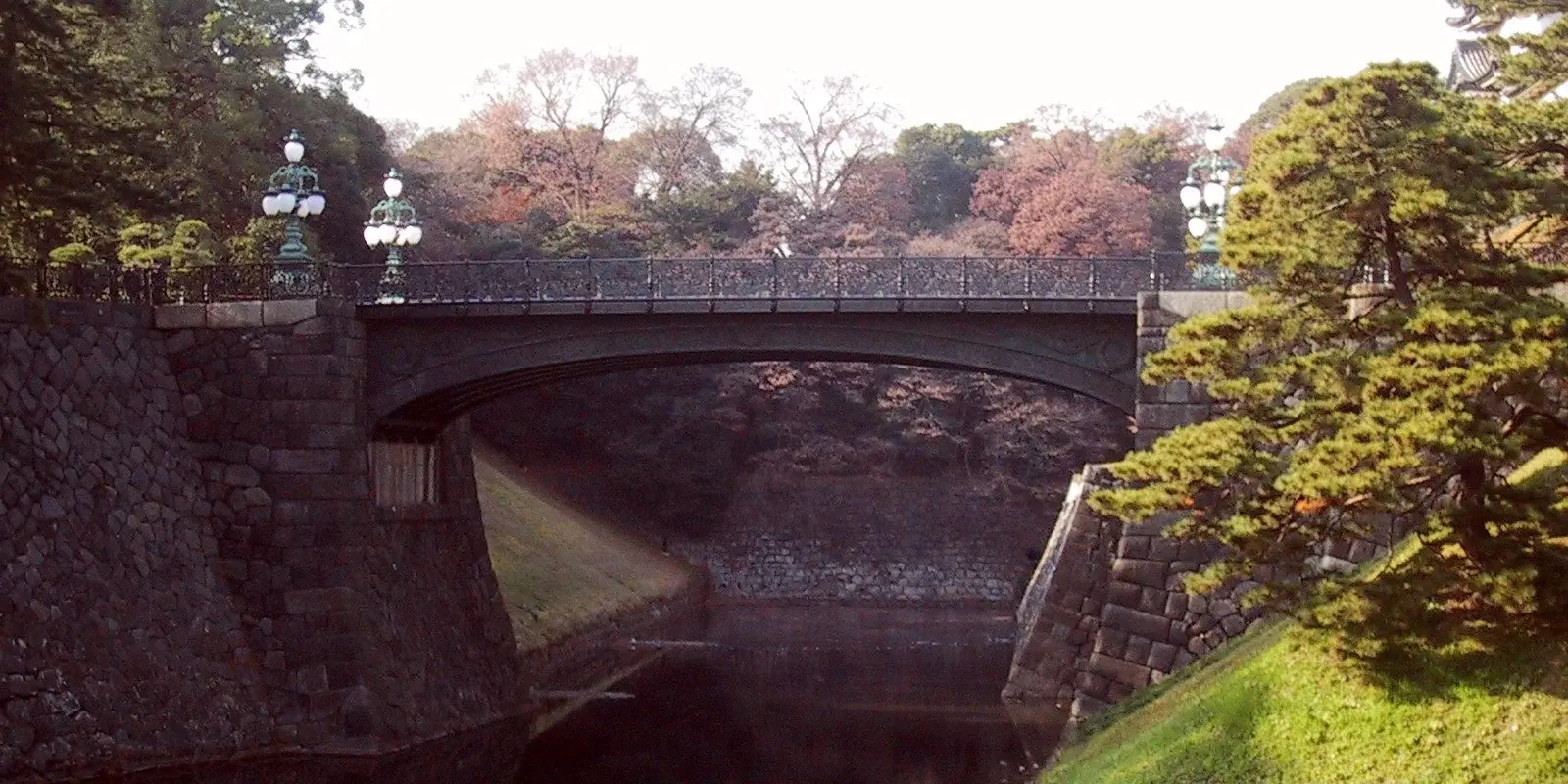
Is the Tokyo Imperial Palace Worth It?
You picture a palace. What you actually get, on the free general tour, is a walk past a moat, a modern reception hall, and a bridge you're not allowed to cross. The emperor himself lives further back, out of sight, on every single visit. That gap between the word "palace" and the thing you're shown is where most of the disappointment on this page comes from, and it's also the gap the people who live here almost never fall into.
Is it worth it? (in international visitors' own words)
We gathered voices from international travelers on Reddit and TripAdvisor who had actually been (to the general tour, the East Gardens, or just the outer plaza by Nijubashi Bridge) and read them with one question in mind: was it worth it? Of 61 voices, here is how they fell:
Almost half the red comes down to one repeated surprise: you don't get to see much. "You do not get to even see the outside of the palace, just some of the gardens, and grounds," one visitor wrote of the free tour, and the East Gardens draw the same complaint from a different angle: "there's no view of the palace at all, and they're not really even nice gardens." Others describe the crowd management rather than the palace itself, like the visitor who counted "over 300 people in the tour with one guide," or the architecture: the current reception halls, rebuilt after the war, read to some as "a 1960s sports centre" rather than the ornate structure the word "palace" implies. One traveler who did the tour on a whim called it "the least interesting thing I did in Tokyo."
The green third of the gauge answers a different question, though. The people who liked it mostly weren't rating the buildings at all; they were rating the walk. "Walking around the grounds was one of the best things I did while in Tokyo," one wrote, describing the calm of the grounds rather than any view of the palace itself. Another advised skipping the tour altogether and just wandering, since "the station is close (and it's cheaper!)."
How Japanese visitors actually feel about it
What almost no guide shows you is the same place through Japanese visitors' own words: reviews written for other Japanese travelers, on jalan and 4travel, not for tourists at all.
Notice how thin that red band is next to the international one. Of 106 Japanese voices, only 4 land as genuinely negative, and none of the four are about the palace disappointing them the way it disappoints foreign visitors. Two describe one of the periodic special openings (Inui-dori in spring, the autumn leaves in another year) as too crowded to move at their own pace, and both say they'd rather have gone to the plain, un-crowded East Gardens instead. One is simply annoyed that jogging is banned inside the East Gardens. One arrived on the wrong day and found the East Gardens closed, since it's shut every Monday and Friday. None of them say anything close to "you don't get to see much."
That's the gap. International visitors arrive expecting a palace and measure the visit against that word. Japanese visitors mostly aren't expecting a palace at all; they're expecting a free park with some old stonework in it, and by that measure it delivers. "Since the path is flat, being able to stroll here for free is something I'm genuinely grateful for," one wrote of the East Gardens. Another, visiting for the first time despite years of living in Tokyo, put it this way: "This was my first time actually visiting, and I found myself wishing I'd come sooner." A visitor who noted how easy the palace is to overlook put it simply: "If you live or work in Tokyo, it's the kind of place you tend to just walk past, but you can visit for free."
What we wish you'd noticed
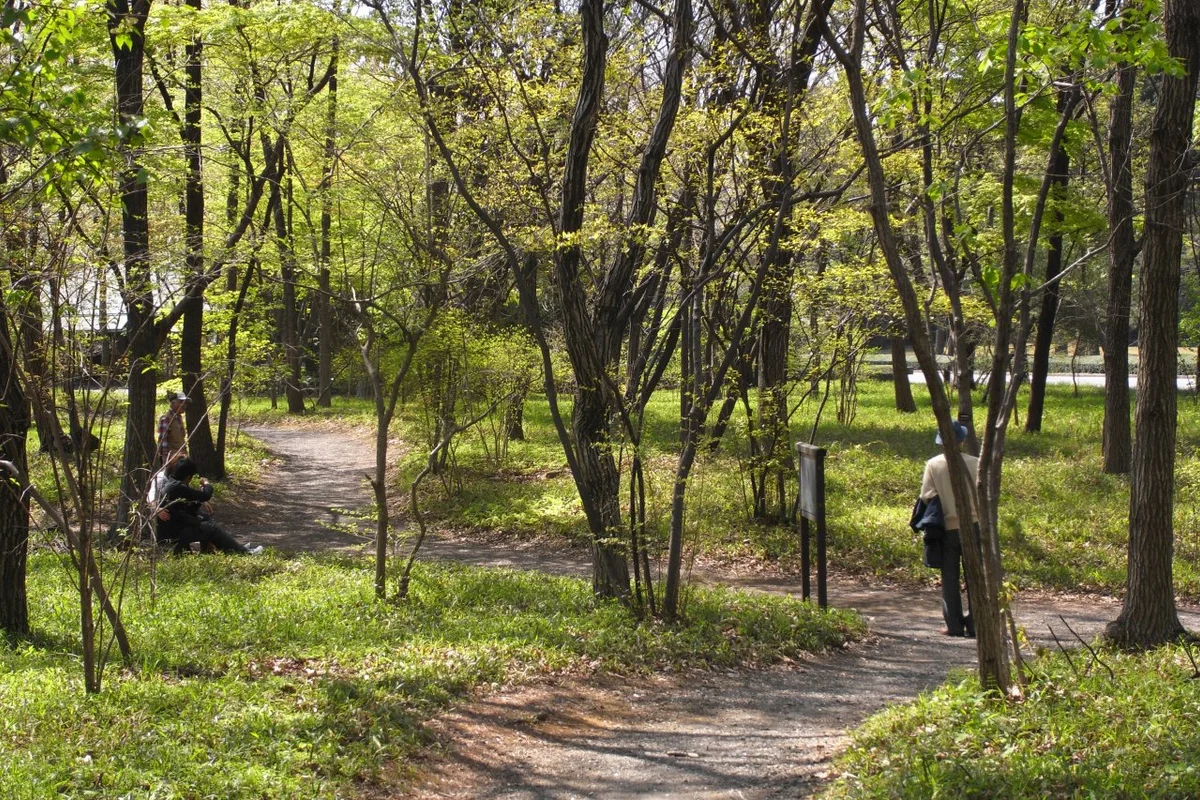
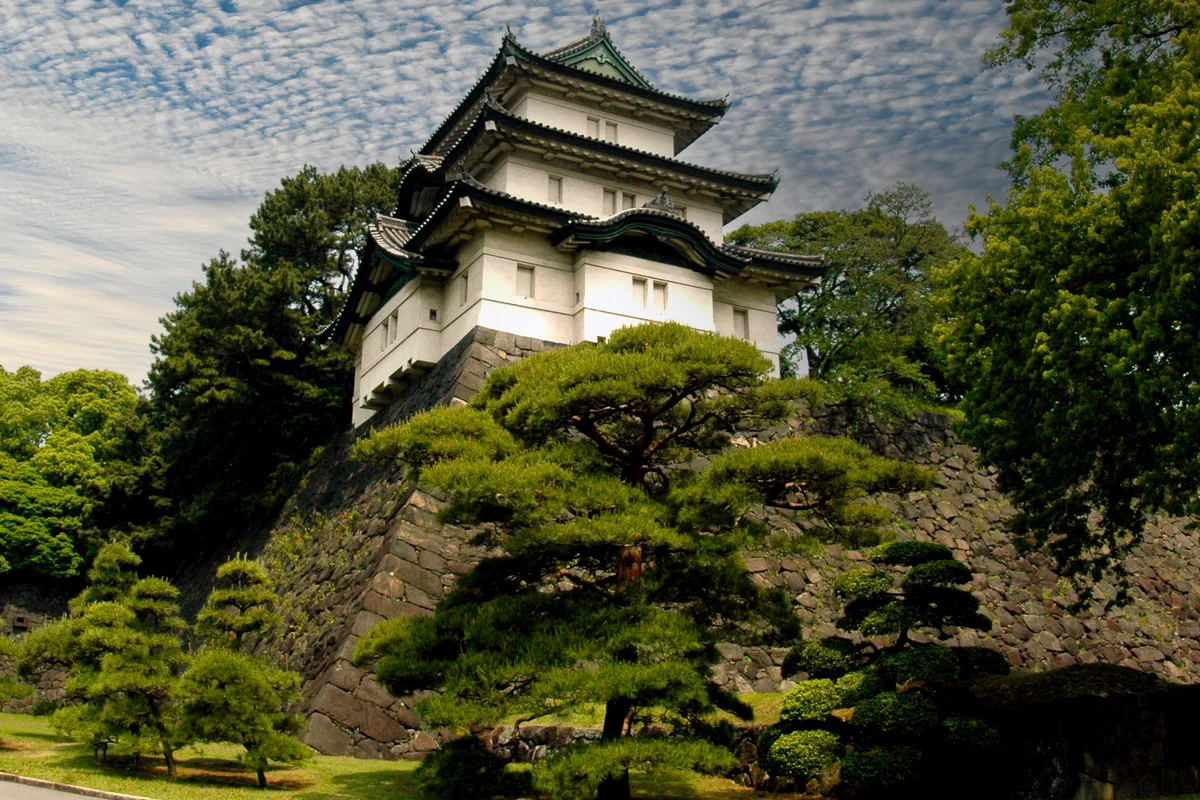
"Imperial Palace" names three different things, and most disappointment is picking the wrong one for what you wanted. The free general tour walks you past Fuji-mi Yagura watchtower, the outside of the reception hall, and Nijubashi Bridge: on foot, outdoors, about 2.2 kilometers, roughly an hour. You do not enter any building, and the emperor's actual residence is never visible from anywhere on the route. The East Gardens are a separate, no-reservation, free-entry park built over the old Edo Castle's main keep foundations, moats, and guardhouses. There's no palace view at all there, but you can walk in any time it's open. And the outer plaza with Nijubashi Bridge is free, unticketed, and always accessible, which is also all most people ever needed for the photo.
The palace you're picturing burned down twice, and the building you actually see is younger than the moon landing. The Edo Castle keep was lost to fire in 1657 and never rebuilt; only its stone base survives, inside the East Gardens. The Meiji-era palace built after that was destroyed again, in the 1945 air raids. The reception halls on the general tour today were completed in October 1968. The Imperial Household Agency describes them as built "to bring out the traditional beauty of Japanese architecture," with a deep sloped roof over a steel-and-concrete frame. That official description and the "1960s sports centre" some visitors see are both honest reactions to the same 1968 building; a word like "palace" just doesn't prepare most visitors for either one.
Reservations fill up, and the walk-in queue is the one detail that saves or ruins the morning. The general tour runs twice a day, at 10:00 and 13:30, closed Sundays, Mondays, national holidays, and every afternoon from July through September. Advance applications get 200 spots per session; same-day walk-ins get 300, first-come, on tickets handed out at Kikyo-mon Gate from 9:00 (morning) and 12:30 (afternoon). Arrive after the line has already formed and you're the visitor calling it a waste of a morning; arrive by 9:00 and you're the one calling it worth doing once.
Doing it well, the welcomed way
- Decide what you actually want to see before you choose a route. If you want to say you've been inside the palace grounds, book the general tour, or queue at Kikyo-mon Gate by 9:00 for the morning walk-in slots. If you want a garden and old stonework with zero planning, go straight to the East Gardens through Otemon, Hirakawamon, or Kitahanebashimon gates: no reservation, no queue for a ticket, free every day except Monday and Friday.
- If a photo of Nijubashi Bridge is really all you're after, you don't need a ticket at all. The view from the outer plaza is the classic postcard shot, and it's open every day, free, no line.
- Skip the tour if you've already done the East Gardens and just want scenery. Several visitors who'd done both said exactly this: the tour mostly adds crowd management and a building you can't enter, without much new scenery on top of the East Gardens.
- Bring your passport or another photo ID for the general tour, not just a phone. Same-day walk-ins are checked against ID at the ticket desk, and a screenshot isn't accepted.
- Go for the walk, not the architecture, and the day tends to land the way the happiest reviewers describe it. The grounds, the moat, the quiet after the crowds thin: that's what stayed with the visitors who called it worth it, far more than any building did.
Is it worth it, in the end? If "worth it" means seeing inside a palace, the honest answer from the people who tried is often no, and that's a fair thing to know before you queue at 9am. If it means an hour's walk through moats and stonework that cost you nothing, in the middle of one of the world's largest cities, most of the people who actually live here would tell you that's exactly what it is.
Still deciding which famous places actually earn a slot on a short trip? Start with what actually matters in Japan.
Sources
- Imperial Household Agency, General Visit Guidance (参観案内): official rules for the free general tour, including route (Fuji-mi Yagura, palace exterior, Nijubashi Bridge), twice-daily schedule, closed days, capacity (200 advance / 300 same-day), ID requirement, and the roughly 2.2km/1-hour outdoor route.
- Imperial Household Agency, Imperial Palace East Gardens (皇居東御苑): official East Gardens guidance, including free entry, no reservation, closed Mondays and Fridays, seasonal hours, and the three entrance gates.
- National Parks Association of Japan (国民公園協会), Higashi-Gyoen and the Edo Castle Keep Ruins (東御苑・江戸城天守閣跡のご紹介): history of the Edo Castle keep, its destruction in the 1657 Meireki fire, and confirmation it was never rebuilt.
- Imperial Household Agency, The Imperial Palace (皇居): official description of the current reception halls, completed October 1968 and put into use April 1969, "to bring out the traditional beauty of Japanese architecture."
WMJS is written in Japan, in English, with AI help. We check every page, but English is not our first language. If a sentence reads oddly, tell us. One sentence is enough.
Thank you. A person reads every note.
How well do you know Japan?
Based on 51,218+ real Japanese voices
Want to know more? Ask Japanese people
Have a follow-up question about this topic? We'll ask real Japanese people.
Voice Box →